


AI garden tech is transforming how we grow, water, and maintain our gardens – whether you have a vast backyard or a countertop herb planter. This realistic guide shows what it is, how it works, and how you can start using smart gardening devices to save water, reduce labor, and boost plant health at home.
Key Takeaways
- AI garden tech combines sensors, IoT, and automation to make plant care easier and smarter for all household sizes.
- The global smart gardening market is rapidly expanding with North America leading indoor system adoption, and APAC dominating landscaping services.
- Expect hands-off care, better yields, and efficient resource use — but be aware of integration, setup, and ongoing device costs.
- 1. The Core Concept: What is AI Garden Tech?
- 2. Step-by-Step Guide: How to Start With AI Garden Technology
- 3. Advanced Analysis & Common Pitfalls
- 4. Conclusion
- 5. FAQ
The Core Concept: What is AI Garden Tech?
AI garden tech refers to the use of connected devices, sensors, artificial intelligence, and automation for gardening and landscaping. These systems do more than just time your watering — they can monitor plant health, adjust nutrient and light levels, automate irrigation based on weather, and integrate with smart home assistants for voice control.

Globally, this industry is booming. The smart garden systems market reached $2.9 billion in 2024, expected to grow at over 23 percent through 2032.
North America leads for smart indoor gardens due to popular brands like Gardyn and AeroGarden; APAC dominates overall landscaping services linked to commercial and residential green spaces.
The main driver? IoT-enabled watering, wireless controls, and e-commerce making these devices widely accessible.
Enthusiasts can now monitor and control their gardens on a smartphone or through Alexa and Google Home. According to
Maximize Market Research, household adoption is surging thanks to easy-to-use kits and demand for healthy, homegrown produce.
If you’re a beginner or want improved yields with less effort, AI garden devices and smart irrigation can help you achieve the results you want, even in apartments or on balconies. They also save water and time, making them increasingly popular with eco-conscious and convenience-driven gardeners.
Step-by-Step Guide: How to Start With AI Garden Technology
Getting started with AI garden tech doesn’t require a technical background. Here’s a realistic process for choosing and setting up the right solution for your needs.
- Audit your space and plants.
For small apartments or condos, start with a countertop smart garden like AeroGarden. Larger outdoor spaces may benefit from an AI-powered irrigation controller with moisture sensors.
For dedicated container gardening, check out expert guides like Tabletop Tomato Plants: 7 Amazing Ways to Maximize Yields or Sproutl: 7 Best Ways To Grow Vegetables.
- Research compatible devices and platforms.
Leading options support WiFi/Bluetooth connectivity, smartphone apps, and integration with Alexa or Google Home.
Some AI irrigation controllers also connect with weather stations or use predictive AI to optimize watering schedules automatically.For convenience, aim for systems that don’t require digging. Products like wire-free robot mowers can also minimize setup headaches; find options in Wire-Free Robot Lawn Mower: 7 Best Ways to Improve Lawn Care.
- Install hardware and connect sensors.
Modern systems use plug-and-play soil, moisture, and light sensors. For AI watering setups, install the smart controller at your outdoor tap or directly on container planters.
For patios, connect automatically to a hose or rainwater butt for eco-friendly irrigation.
- Configure your smartphone app and link accounts.
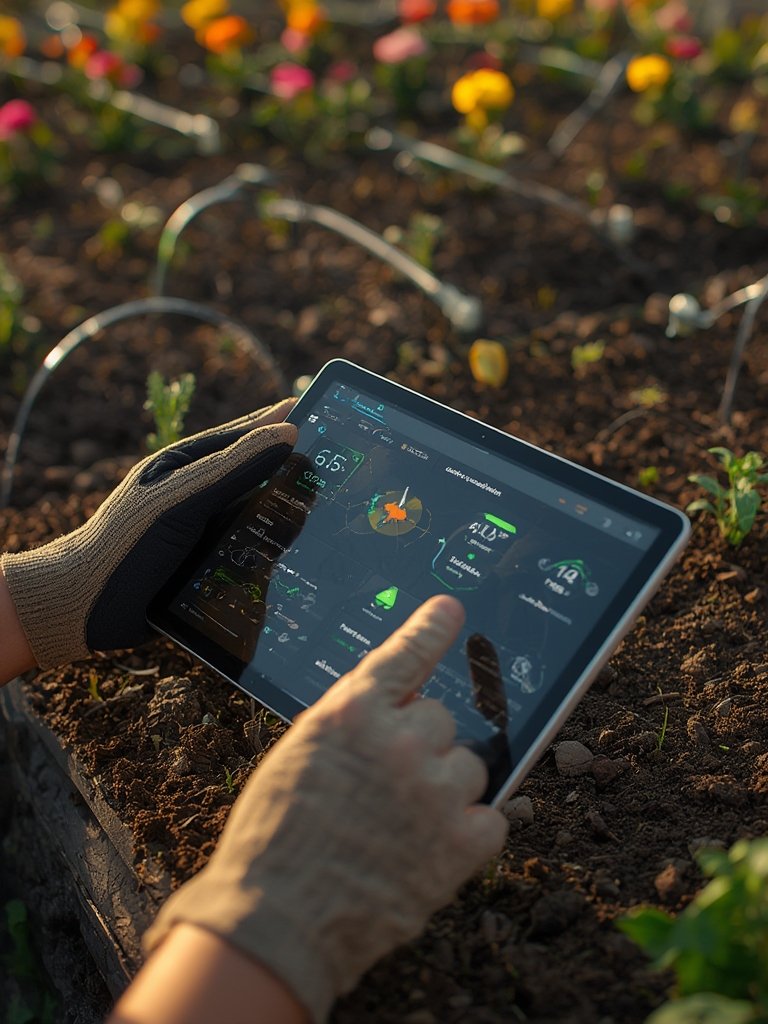
Download the official app (or use Alexa/Google routines). Calibrate sensors, create watering or light schedules, and monitor real-time plant data.
- Regularly review insights and tweak routines.
AI will suggest tuning light, water, and sometimes nutrients based on plant type and growth data.
Make changes as seasons shift or as plant needs evolve.
For gardens with small children or pets, consider pairing smart garden gear with solutions like Muddy Mat: 7 Best Ways to Keep Floors Clean to reduce tracked mud, or choose a bathtub rinser attachment for washing hands and tools after gardening.
Want to keep your new system healthy year-round? Connect your AI tech with a weather-adaptive controller, or explore a drought-resistant gardening approach to maximize plant survival during dry spells.
Advanced Analysis & Common Pitfalls
While AI garden tech promises major convenience and savings, it’s not a silver bullet. Here are the most common challenges and pitfalls reported by real users and industry analysts:
- Upfront and ongoing costs can be significant. Most smart indoor garden systems and AI irrigation controllers involve both initial device costs and ongoing costs (replacement parts, software subscriptions, filters, or nutrients for hydroponic models). Budget for these, as traditional manual watering or basic timer-based drip irrigation will remain cheaper upfront.
- Integration and setup hurdles. Not all devices are compatible across ecosystems. Connecting your garden to Alexa, Google, or smart home hubs may require extra steps, and some brands don’t fully support all platforms.
- Limited device-specific documentation. Research data shows a lack of detailed public information on technical specs and privacy/security practices. Some users report confusion setting up or configuring controllers, especially for outdoor systems with variable WiFi coverage.
- Potential sensor inaccuracies. Soil moisture and light sensors can require recalibration, especially outdoors where weather and interference can affect readings. False positives from rain or morning dew might trigger unnecessary watering.
- Data privacy and reliability concerns. Since many devices use cloud connections and may collect usage data, always review manufacturer encryption and privacy policies before linking your home network.
| Feature | AI Garden Tech | Traditional Gardening |
|---|---|---|
| Water Savings | Automatically adjusts for rain, soil moisture, plant needs (no exact saving % published) |
Relies on user observation; risk of over/under-watering |
| Cost | High initial investment; recurring component costs | Lower upfront (tools and hose), modest ongoing |
| Setup Complexity | Variable: “Plug and play” for desktop kits, more technical for whole-yard integration |
Minimal for hand-watering; medium for drip or soaker systems |
| Yields & Plant Health | Highly consistent; year-round indoor growing possible | Seasonal; depends on user skill and available time |
| Time/Labor Savings | Major time savings once setup; less daily maintenance needed | Manual effort for watering, fertilizing, and monitoring |
Despite some challenges, the benefits of AI garden tech are substantial for busy families, urban dwellers, and anyone wanting healthier plants with less effort.

To get even more out of your garden, explore related innovations like no-mow meadows (Micro Meadow Lawn: 7 Amazing Ways to Create a Proven Pollinator Habitat) and fire-safe landscaping for drought-prone regions as part of a holistic, low-maintenance approach.
Conclusion
AI garden tech removes much of the guesswork and routine labor from gardening, making it accessible for everyone from novices to experts. Although you’ll need to budget for device costs and work through some setup challenges, the long-term savings in time, water, and frustration are compelling.
If you want easier, smarter gardening, AI-powered gear is well worth a look. AI garden tech is already changing how we grow and nurture plants—will you start your upgrade today?
Ready to try AI gardening, or have a question? Browse our proven guides or get started with a step-by-step project now.
FAQ
Does AI garden tech require WiFi?
Most AI garden tech does require WiFi or Bluetooth for app control and data syncing. Some basic models work offline but with fewer features.
Is setup difficult for beginners?
Plug-and-play desktop smart gardens are straightforward. Larger irrigation or outdoor systems may need basic DIY skills for sensors and apps, but many brands offer installation support.
How much money will I save on water?
Exact savings vary. AI systems can make significant reductions, especially in dry regions, thanks to automated watering schedules. However, no universal figure is published; expect lower water bills than manual watering if set up correctly.
Can I integrate my smart garden with Alexa or Google Home?
Yes, most leading smart gardens and irrigation controllers support integration. Check the device description to ensure compatibility with your preferred platform.
Is privacy a concern with smart garden devices?
Because many devices connect to the cloud and apps, privacy depends on the manufacturer’s data handling. Review their privacy policy and avoid unfamiliar brands if this is a major concern.
 Transform your home without draining your wallet