

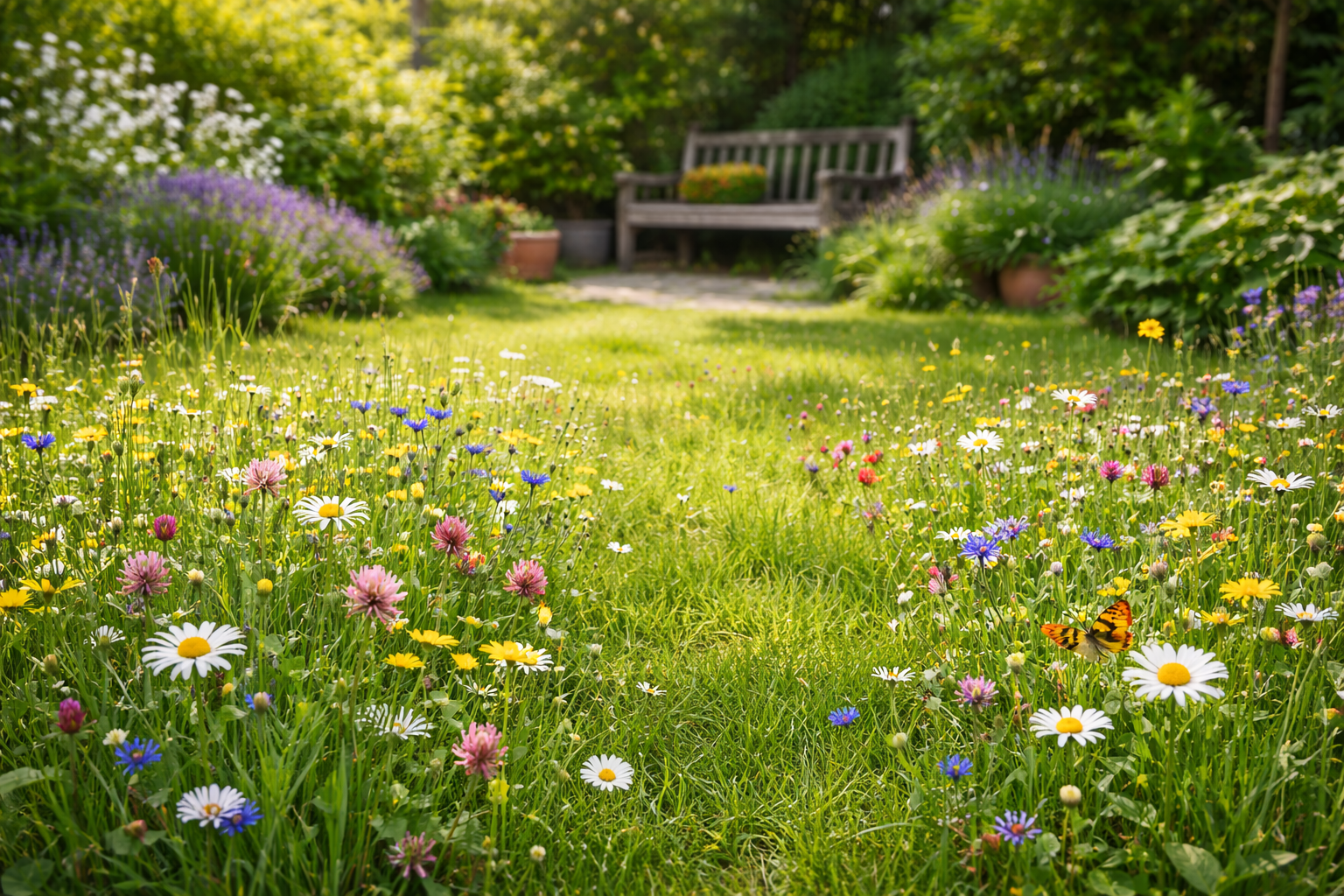
Micro meadow lawn conversions are transforming front yards into thriving wildlife habitats, offering pollinators a vital sanctuary and making life easier for homeowners tired of endless mowing and fertilizer. If you want your landscape to work for you—and nature—this guide will show you how to swap turf for beauty, diversity, and low-maintenance growth.
Key Takeaways
- Switching to a micro meadow lawn increases pollinator presence, helps local biodiversity, and reduces your maintenance workload.
- native wildflower mixes and infrequent mowing are key; upfront effort pays off in years of colorful, low-water growth.
- Assess your site, pick region-appropriate seeds, and review HOA or municipal rules before you convert your lawn.
- What Is a Micro Meadow Lawn and Why Make the Change?
- How to Convert Your Lawn Step-by-Step
- Real-World Challenges: What Most Guides Overlook
- Conclusion & Next Steps
- FAQ
What Is a Micro Meadow Lawn and Why Make the Change?
A micro meadow lawn is a deliberate transition from a traditional turfgrass yard to a patchwork of low-maintenance native wildflowers and grasses. Instead of a flat green carpet, your yard turns into a living tapestry that supplies nectar, habitat, and food for bees, butterflies, birds, and countless beneficial insects.
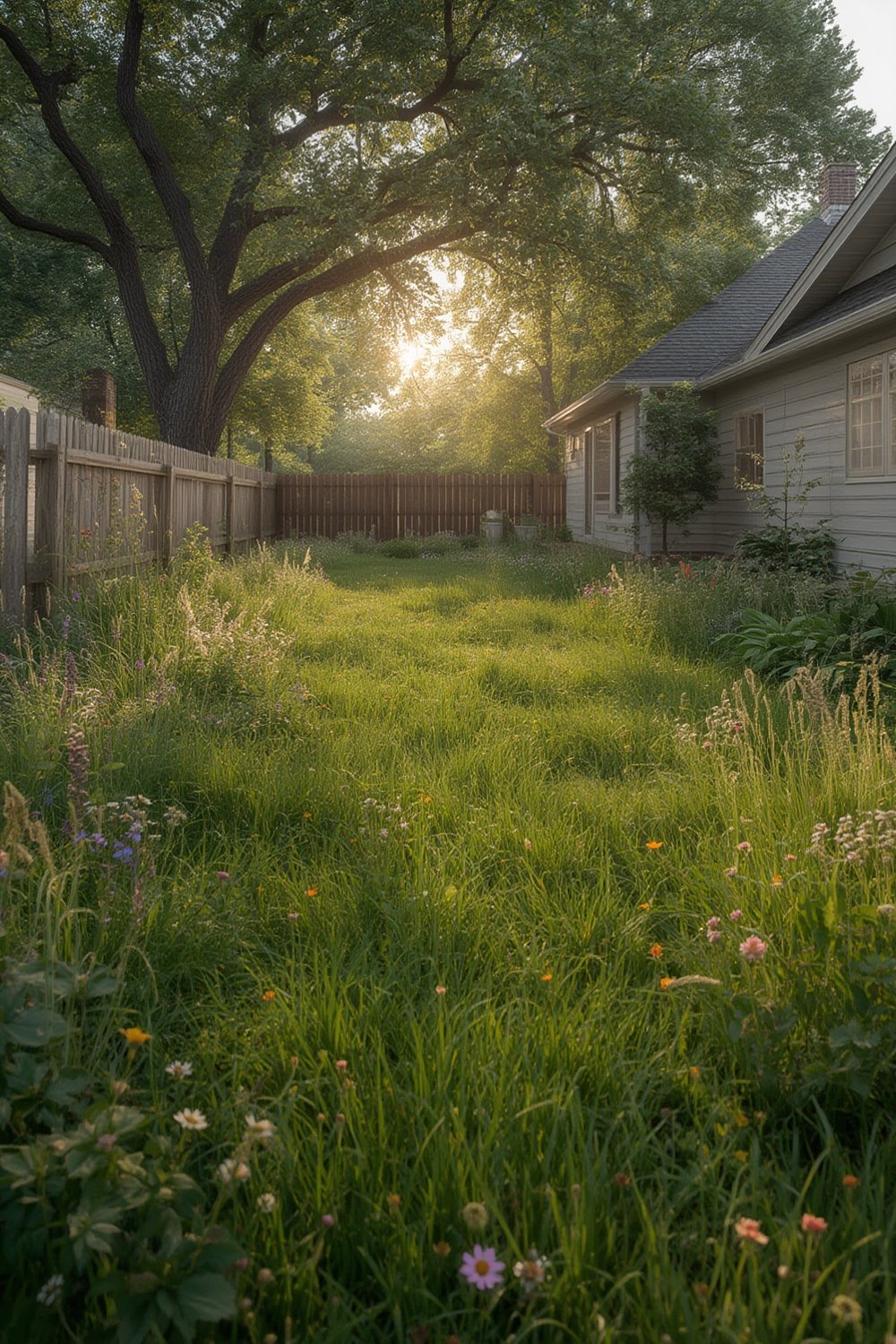
The main motivation? Standard lawns need constant mowing, fertilizing, and irrigating. Micro meadows thrive with just one or two mowing sessions per year and almost no chemicals or watering once established. By switching, homeowners can:
- Boost urban pollinator numbers and bird presence [1]
- Provide a refuge during summer heatwaves and storms [2]
- Reduce yard work, water bills, and fertilizer expenses
- Combat biodiversity loss with minimal effort
Switching to native wildflowers is not just about creating a beautiful space. These small habitats support over 75 percent of the world’s food crops and 90 percent of our flowering plants by keeping pollinator populations healthy [3].
Micro meadows can work in small urban plots or larger yards. With proper planning, you’ll enjoy blooms from spring to frost and support your wider community’s ecosystem.
How to Convert Your Lawn Step-by-Step
Ready to trade in your mower for a butterfly net? Here’s a clear, actionable process for creating a micro meadow lawn that looks good, works hard, and saves you time.
- Check Local Rules & Neighbors First
- Check for HOA or city regulations about wildflower height or appearance. Official rules can change yearly, so verify before you dig. Although no known 2024 restrictions are detailed in major sources, asking ahead prevents disputes.
- Consider talking to neighbors, especially if you live in an area used to manicured lawns. Explain your plan—shared understanding reduces complaints later.
- Pick a Sunny Patch & Size
- Micro meadows work best in spots that get six or more hours of sun daily. While you don’t need a giant area, the larger and more connected, the greater the benefit for pollinator movement [2].
- They excel on sites that are expensive or awkward for traditional grass, like slopes, wet spots, or low-maintenance strips.
- Kill or Remove Turfgrass
- For fast establishment, remove existing sod or kill grass with sheet mulching, solarizing, or smothering with cardboard/newspaper topped by compost.
- Alternatively, mow grass as low as possible, rake hard, and directly overseed wildflowers. Less effective, but quicker and easier for large spots.
- Select a Regional Native Meadow Seed Mix
- Prioritize native wildflowers like goldenrod, aster, black-eyed susan, and daisies—key nectar sources for local pollinators [1].
- In the Mid-Atlantic, grasses like bluestem and purpletop boost insect, bird, and butterfly life [2].
- Seed blends differ by U.S. climate—always buy from local suppliers who specialize in native seeds for your zone.
- If you want to grow vegetables alongside, see our beginner gardening guide for tips on integrating edibles with pollinator planting.
- Prep the Soil and Sow
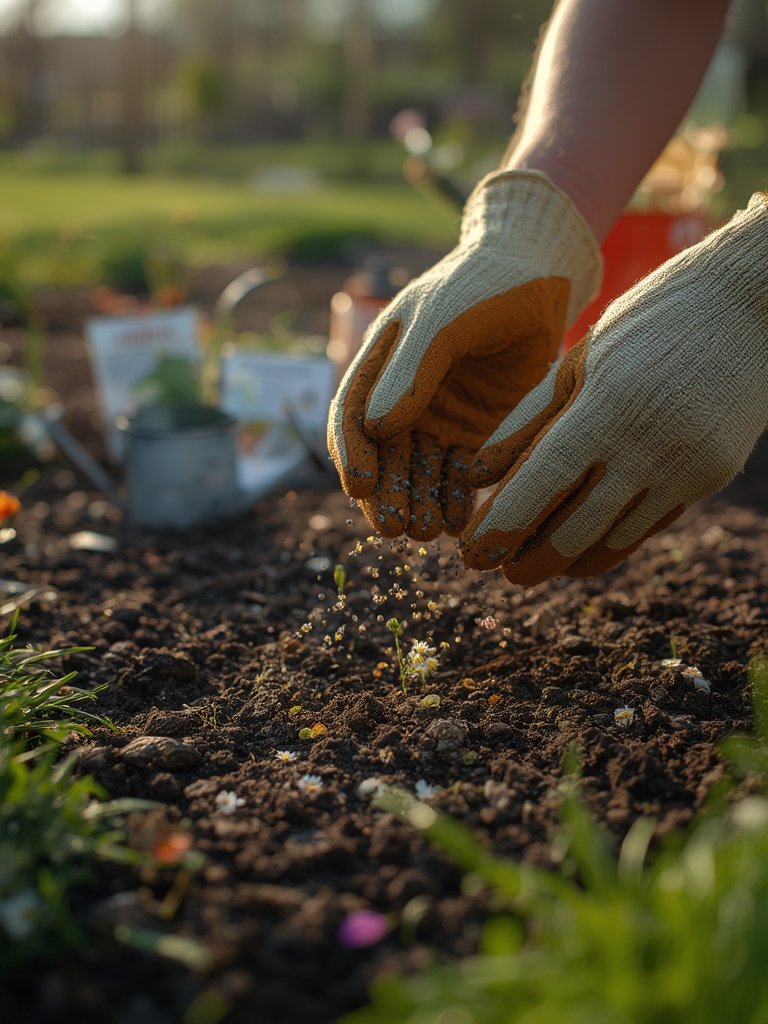
- Loosen soil lightly, remove major weeds, and broadcast seeds on bare ground, ideally in fall or early spring. Lightly rake and tamp down for good seed-to-soil contact.
- Skip fertilizers—native wildflowers thrive on unimproved soils.
- If keeping muddy boots from coming indoors is an issue, try a muddy mat for dogs at your door—prevents tracking in soil during garden projects.
- Aftercare in the First Year
- Water only to prevent seed drying during extended droughts. Otherwise, let natural rainfall do the work.
- Mow or cut the area once mid-season to about six inches high. This controls annual weeds and boosts wildflower diversity long-term.
- Expect a wild look at first. Full blooms may take a year or more, but patience pays off. If you want more immediate results, start mini meadows with plugs instead of seeds—see this practical guide.
- Second year and beyond: Mow just once yearly (preferably in late winter or early spring) and let natural selection strengthen your meadow. No need for chemical weed killers or irrigation—native species will outcompete most invaders.
- If maintenance is your concern, see our robot lawn mower guide for “no-touch” turf options as an alternative.
- For home organization as you launch your outdoor project, try our home organization system or a digital family calendar to streamline seasonal tasks.
Real-World Challenges: What Most Guides Overlook
While most DIY tips focus on how easy micro meadow lawns are, several practical challenges may arise. Understanding these ensures you avoid common frustrations and unrealistic expectations:
| Potential Problem | Details | How to Prevent or Fix |
|---|---|---|
| Visually “Messy” Early Years | Meadows often look patchy and wild in the first year; neighbors may mistake it for neglect. | Place a sign explaining your mini meadow; edge with tidy paths or low fencing for a “cared for” look. |
| Weed Invasion | Annual weeds can outcompete seedlings in disturbed soil, especially if turf wasn’t fully removed. | Mow high in year one; remove persistent perennial weeds by hand; avoid soil disturbance after planting. |
| Seed Mix Not Suited to Local Zone | Out-of-region mixes often fail or require excessive maintenance; may not support local pollinator species. | Buy from regional native plant nurseries; check seed blend composition before purchasing. |
| No Regulation Awareness | Rare, but some HOAs or cities may have appearance rules or require grass maintenance. | Confirm in writing before starting; keep records if you have prior approval. |
| Lack of Quick Results | Unlike sod, micro meadow lawns mature slowly—can take one or two growing seasons for a full tapestry effect. | Install border plants for early pops of color; supplement seeds with native wildflower plugs for faster coverage. |
| Access Paths and Mud | Meadows with no walkways can lead to muddy shoes indoors. | Add stepping stones or mulch paths; use an absorbent floor mat for mud at entry points. |
It’s notable that research does not report major regrets or complaints from homeowners who have converted to micro meadow lawns. They’re generally seen as lower-maintenance after establishment, though patience and correct initial steps matter most [1]. Costs are typically lower than sod or traditional lawn upkeep, especially on hard-to-manage sites.
Also, keep in mind that while many resources discuss seed selection and maintenance, few top guides dive deep into the value of edging for neighbor relations, proper signage, or staged planting for staggered blooms—all practical, actionable considerations for long-term satisfaction.
Conclusion & Next Steps
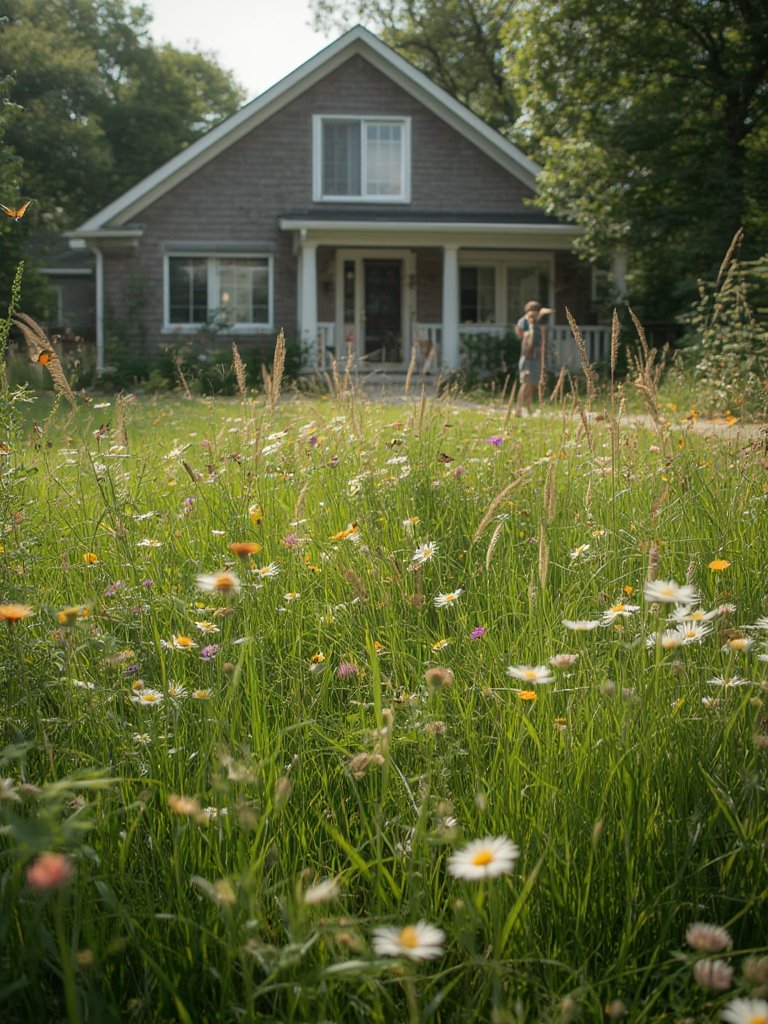
Converting to a micro meadow lawn turns your yard into a personal nature reserve—one that supports biodiversity, pollinators, and visual interest with less work every year. By picking native seed mixes, keeping expectations realistic, and preparing for a season or two of “wild” growth before your meadow shines, you set yourself (and your neighborhood) up for a healthier, more vibrant future. Ready to bring a micro meadow lawn to life at your address? Start small, gather your seeds, and let your yard become the most colorful, bee-friendly spot on the block.
Questions or ready to try it? Share your progress below or check out our guide to cleaning garden tools for more helpful tips on DIY outdoor success.
FAQ
How long does it take a micro meadow lawn to look established?
You’ll often see wildflowers start blooming by the second growing season, but full visual impact may take up to two years. Plant plugs if you want faster results.
Will a micro meadow attract mosquitoes or pests?
No. Healthy meadow ecosystems tend to support natural pest control species, so mosquitoes and garden pests are usually kept in balance. Mosquitoes breed in standing water, not wildflower meadows.
How much does a micro meadow lawn cost per square foot?
There is no published 2024 figure, but seed mixes are affordable compared to sod. Costs will depend on seed selection, site prep, and size. Expect savings compared to regular lawn maintenance.
Do HOAs or cities allow micro meadow lawns?
Most regions allow native meadows, but always verify with your local HOA or city codes before starting. Enforcement and aesthetics rules vary.
Can I combine a micro meadow lawn with paths or sitting areas?
Absolutely! Use mowed strips, stepping stones, or gravel to create paths. This shows intentional design and may address neighbor or municipal concerns about appearance.
—
 Transform your home without draining your wallet