

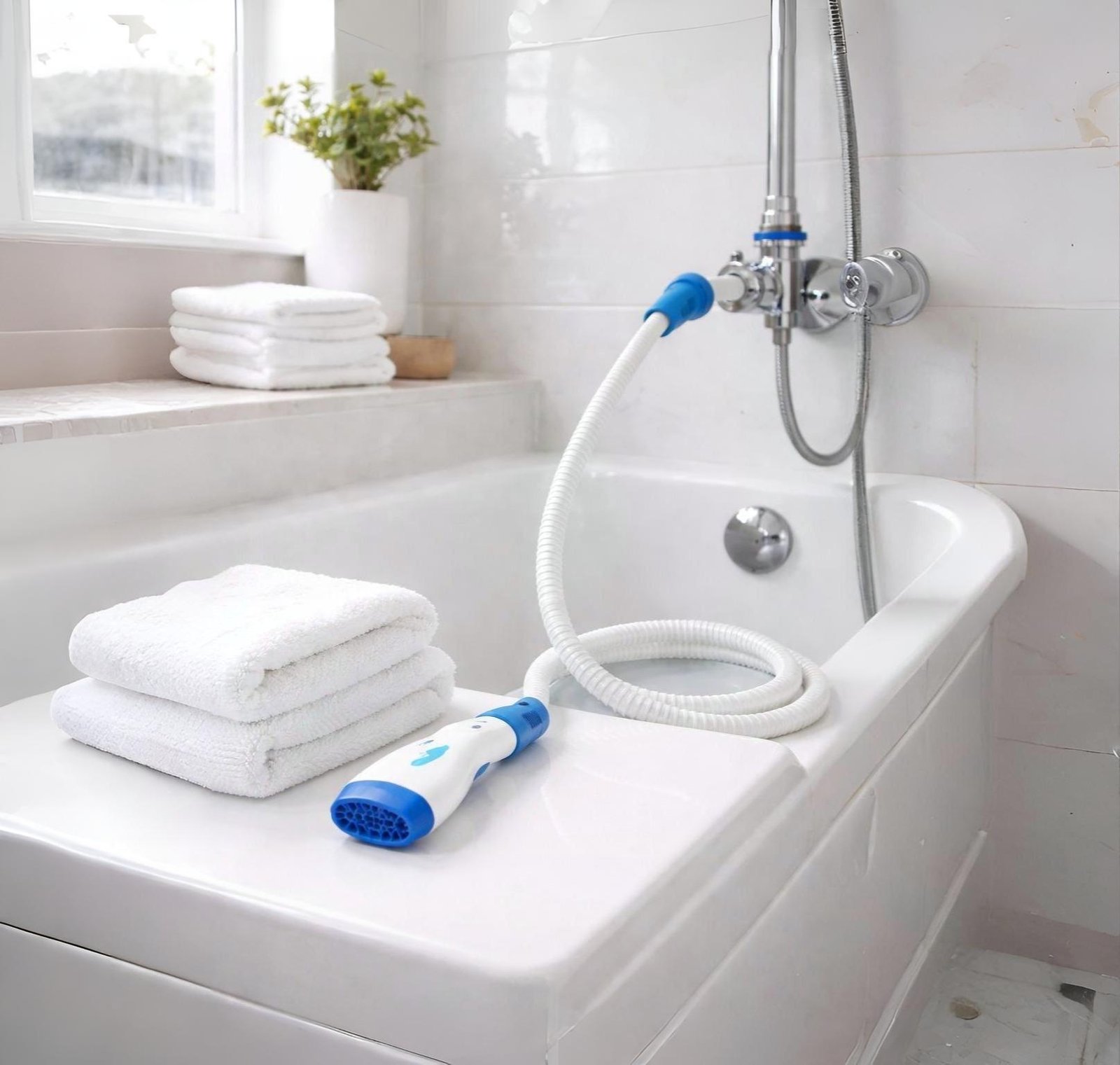
Rinseroo is rapidly becoming a go-to tool for homeowners seeking a fast, no-install way to rinse pets or clean showers without hassle. But how does this slip-on shower hose style compare to traditional solutions—and what traps should buyers avoid?
Table of Contents
Key Takeaways
- No-install hoses like Rinseroo simplify pet washing and cleaning, but can present durability issues compared to metal alternatives.
- Common pitfalls include kinking, leaks using hot water, and limited reach if the hose is too short for your space.
- Most guides miss crucial details about compatibility, safety, and installation, so plan ahead based on your bathroom’s needs.
The Core Concept
Rinseroo is a slip-on shower hose meant to attach directly to most bathtub faucets or showerheads without tools or permanent installation. Its main promise is unmatched speed and convenience for cleaning tasks—think dog washing, rinsing muddy boots, or scrubbing down tubs—all without a plumber or specialized hardware. For busy households, renters, or pet owners, a no-install hose aims to cut down cleaning time and frustration, allowing flexible use and quick removal.
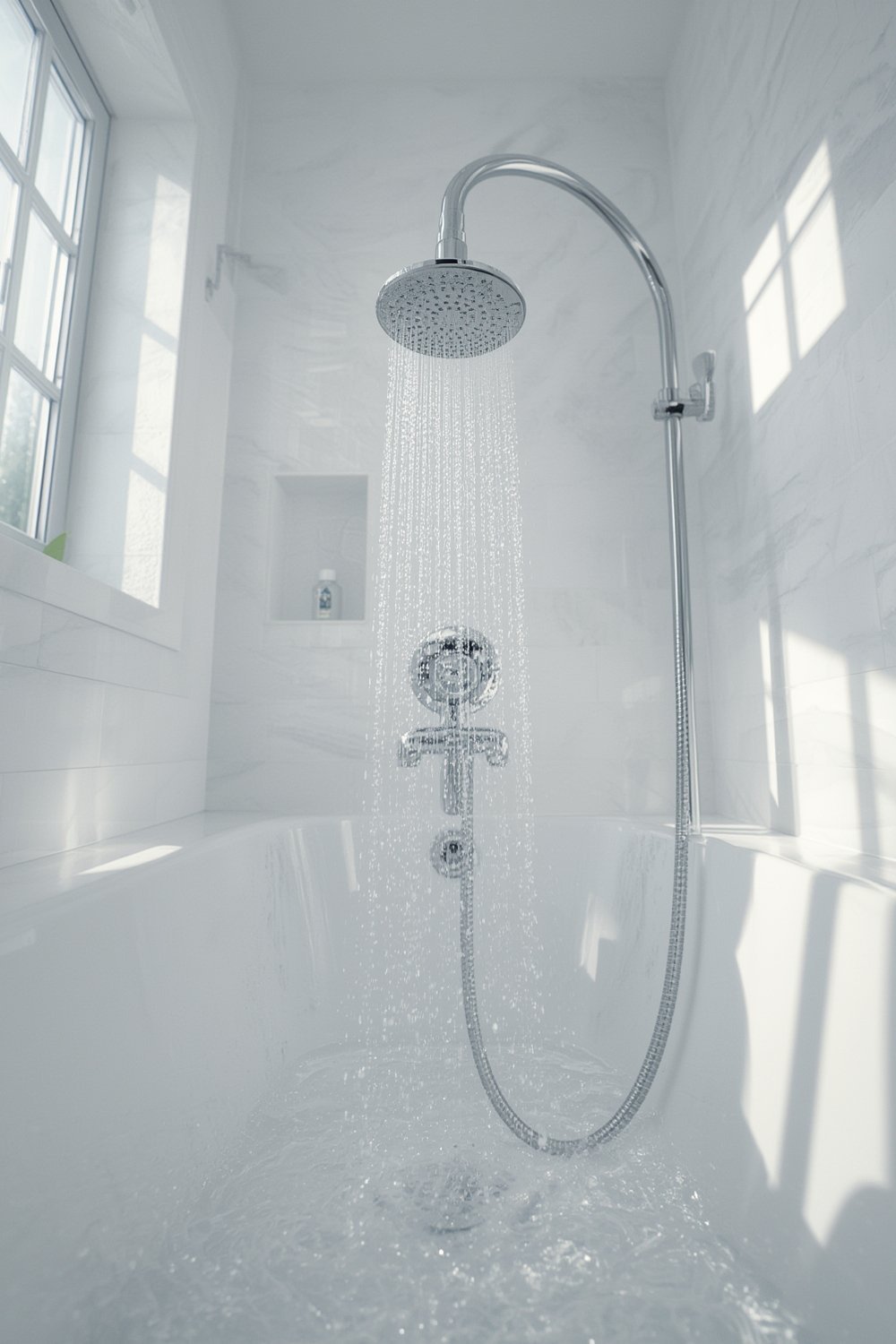
The rationale for choosing a tool like Rinseroo over a traditional metal hose or a permanently installed diverter mostly comes down to ease of use. With slip-on shower hoses, you save setup time, avoid altering plumbing, and can simply stow the device out of sight when it’s not needed. This convenience attracts a wide range of users—from dog owners tackling bath day to anyone who wants to blast away soap scum without a complicated, fixed system.
It’s worth noting that the demand for no-install options is strong, even though there’s little statistical data quantifying it as of 2024. Source guides and industry roundups highlight the versatility and popularity of easy-attach hoses, emphasizing quick setup and removal—a must-have quality for many modern households.
Still, many top-ranking buying guides and reviews surprisingly fail to address crucial details such as compatibility with various faucets, ease of installation, or real health and safety considerations. Before purchasing, it’s essential to look past surface-level selling points and focus on the technical aspects that matter: hose material, length, and true universality.
For those also considering bigger household upgrades, look at projects that increase home value using smart home improvement or check out space-saving solutions for compact apartments to make your living space work harder for you.
Step-by-Step Guide
Below is a realistic process for getting the most out of your Rinseroo or similar no-install shower hose attachment, including action steps, expert tips, and tricks that save time and avoid hassle.
1. Inspect and Prepare Your Faucet
Remove any mineral buildup from the faucet or showerhead using a mild cleaner. A clean, dry surface ensures a better slip-on fit and helps prevent leaks. Note: Most slip-on hoses work only with round or lightly oval spouts; square, wide, or unusually shaped fixtures may not create a seal.
2. Slip On the Rinseroo
Gently stretch the slip-on end over your faucet until it fits snugly with no visible gaps. Avoid using excessive force. The aim is a uniform seal—if the hose feels loose or too tight, double-check your manufacturer’s guidance and faucet diameter.
3. Turn On Water Gently and Check for Leaks
With the hose attached, turn on the water at low pressure. Gradually increase the flow while watching closely for drips or spray at the junction. If leaking occurs, readjust the hose or try the rubber band hack from above. Hot water can make PVC softer and less reliable, so stick to lukewarm for best results.
4. Use for Rinsing or Cleaning
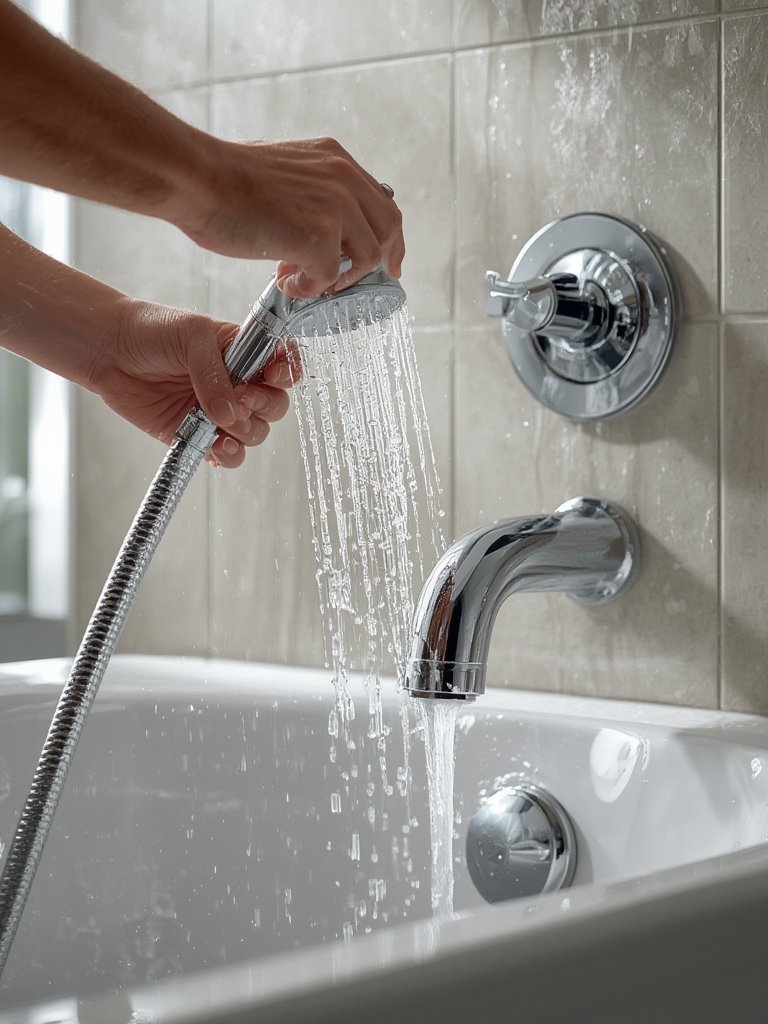
Guide the hose to rinse pets, clean tub walls, fill a bucket, or wash off dirty gear. If the hose kinks or collapses, gently straighten rather than force it. Avoid sharp bends that could stress the material. If you notice the reach is limited, consider whether a longer hose (1.8–2m) would better serve your needs—a common pain point for buyers.
5. Remove, Dry, and Store Properly
When finished, shut off the water, remove the hose, and shake out excess moisture. Air-dry the hose before coiling for storage to prevent mildew or premature cracking, especially if using a PVC-based model.
If you’re looking for other cleaning gear or pet care upgrades, try reviewing essential tools every homeowner should have or find recommendations for interactive dog toys for energetic dogs and best pet beds for comfort and support.
Advanced Analysis & Common Pitfalls
Even with its clear advantages, Rinseroo and other slip-on shower hoses come with downsides and limitations. Understanding these before you buy can save frustration and money.
- Leaks and Poor Seals: Many PVC/plastic slip-on hoses (the typical material for no-install styles) are notorious for leaking, especially when fitted to non-standard faucets or when exposed to hot water for long periods. Permanent-install metal hoses offer better seals and durability but at the cost of flexibility and price. Source
- Kinking and Bending: Flexible hoses may kink, reducing water flow. This is especially common when the hose is shorter than 1.8m or is twisted beyond its rated radius. Stainless steel hoses are less prone to this but weigh more and scratch surfaces. Source
- Durability Limitations: PVC hoses last around 1–2 years before splits or holes develop, especially with hot water or high pressure. Reinforced or metal hoses can last 3–5+ years. Source
- Incompatibility: Many top-ranking guides ignore faucet diameter specifications. Not all spouts are created equal, and an unpredictable fit means wasted money if you can’t use the hose.
- Health and Safety Concerns: No major competitor article addresses potential issues with toxins (such as plasticizer leaching from cheap hoses) or if the product is certified for potable water use.
| Feature | Rinseroo Style (PVC/Plastic) | Stainless Steel Hose (Permanent Install) |
|---|---|---|
| Installation | Tool-free; slip-on in seconds | Requires tools and time; permanent |
| Durability | 1–2 years average lifespan | 3–5+ years average lifespan |
| Compatibility | Limited by faucet shape/diameter | Standard thread or diverter required |
| Mobility | Very portable; great for renters | Not portable once installed |
| Leak Risk | Medium–high; varies by fit | Low, if installed correctly |
Another universal frustration: Many users find a 60-inch hose too short for effective rinsing, especially in larger or deeper tubs. Always measure the distance you need to cover before selecting a model.
Competitor articles also seldom address quantified time savings, safe use around children or pets, or whether the hose is comfortable for long-term handling. Details on certifications or toxins remain largely absent in the market—an obvious concern for health-conscious households.
If your renovation goes beyond simple cleaning tools, avoid common home improvement pitfalls by checking these renovation mistakes to avoid. For dog owners in particular, it may be worth reviewing essential grooming products to streamline your full pet care routine.
Conclusion
Slip-on hoses like Rinseroo fill a vital gap for fast, fuss-free cleaning and pet bathing—particularly for renters and multitasking households. But to maximize value, don’t overlook compatibility, actual reach (length), durability, and health or safety features. Expect some trade-offs in longevity and sealing power compared to permanent install hoses.
If you decide to try the rinseroo, measure twice, test-fix before use, and follow the storage and care steps above to extend its lifespan. Smart cleaning starts with the right tools—get the most from yours and spend less time scrubbing. Ready to upgrade? Choose confidently, and rinse smarter today.
FAQ
Will Rinseroo fit on any faucet or showerhead?
No. Rinseroo and similar slip-on hoses work on standard round tub spouts or showerheads, but may not fit wide, square, or unusually shaped fixtures. Always check the manufacturer’s maximum diameter guidelines before purchasing.
Can I use hot water with Rinseroo?
Limited hot water use is possible, but sustained high temperatures can make PVC hoses more prone to leaking or cracking.
For cleaning with very hot water, metal hoses or reinforced products are more reliable.
How can I prevent leaks when using a slip-on hose?
Clean and dry the faucet before attaching the hose. For a more secure seal, add a rubber band or silicone ring to the tip of the faucet before slipping on the hose. Adjust and test at low pressure before full use.
Is a slip-on hose a permanent solution?
No, slip-on hoses are designed for temporary, flexible use. They are ideal for renters, pet owners, and quick jobs but are not as robust as permanently installed metal hoses for daily heavy-duty use.
What if my tub is large and the hose is too short?
Measure beforehand. If needed, choose a model with an extended hose (ideally 1.8–2m) to ensure you can rinse every corner effectively.
Many standard hoses (60 inches) may not reach across large or deep tubs.
 Transform your home without draining your wallet
[…] structures. For those living indoors with pets after outdoor activities, looking for solutions like rinseroo shower hose or absorbent floor mats can also help with managing messes from ash or […]
[…] with Allen wrenches, and some may lack clear instructional diagrams. For pro-level support, see our how to clean shower with hose attachment guide—because clean, well-maintained furniture lasts […]
[…] Plan for Cleaning and Maintenance: Even top-end weatherproof models need regular cleaning. Equip your setup with slip-on covers and keep a rinsing hose handy—for example, see tips in Rinseroo: 7 Best Ways to Clean Faster (Proven Guide). […]