

Key Takeaways
- Not all muddy mats are created equal: compare absorbency, backing, and upkeep before you buy.
- Most “best-selling” mats lack independent lab ratings—absorption claims and durability can vary.
- Budget options work, but consistent cleaning and proper setup deliver the real long-term benefits.
- What Is a Muddy Mat and Why Do You Need One?
- How to Choose and Use a Muddy Mat: Step-by-Step
- Advanced Analysis & Common Pitfalls
- Conclusion
- FAQ
What Is a Muddy Mat and Why Do You Need One?
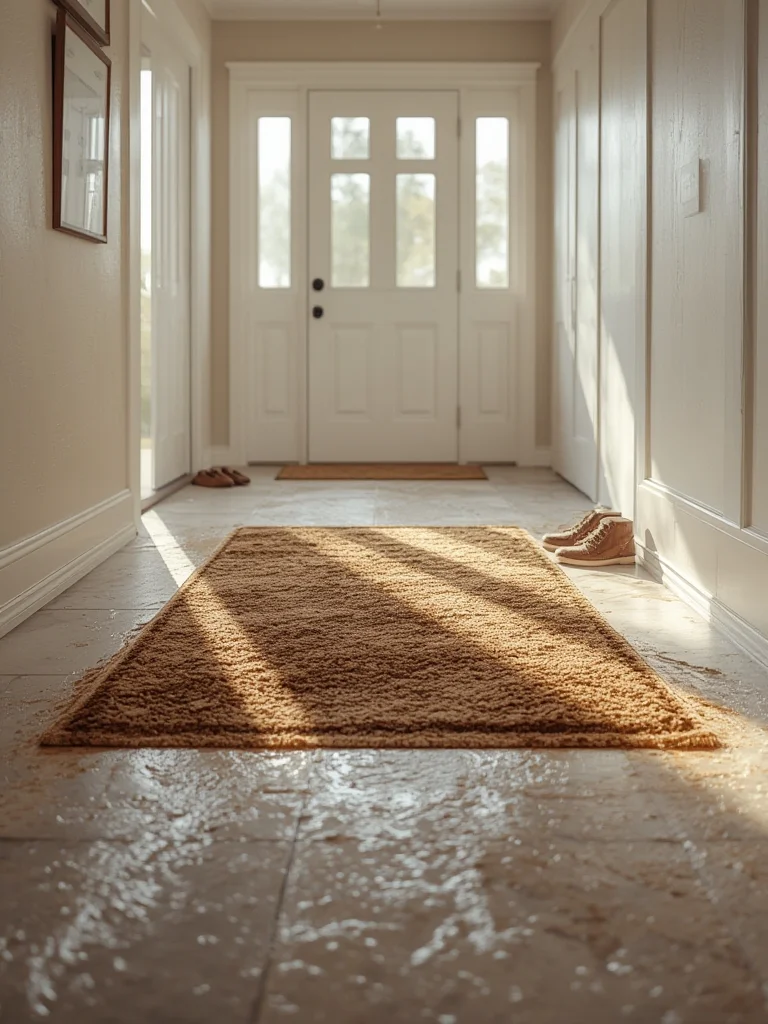
A muddy mat is a highly absorbent doormat designed to trap water, mud, and debris at the door—whether from pets, wet shoes, or rainy weather. Unlike thin welcome mats, these mats use thick chenille or engineered fibers with non-slip backings, maximizing both moisture absorption and safety.
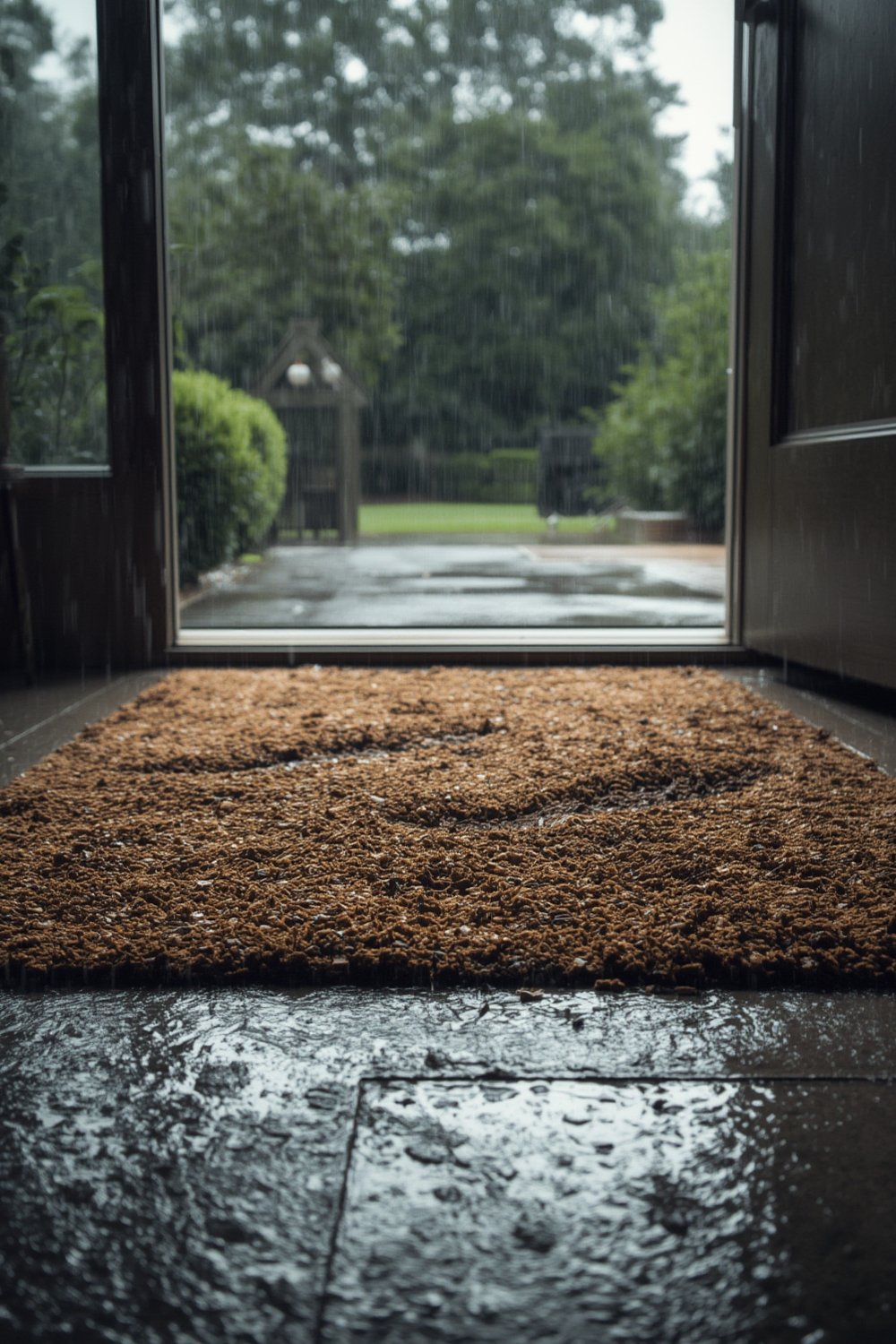
Why the hype? Simple: the right mat keeps your floors cleaner, reduces slip risk, and saves time on mopping. For busy households, pet owners, and anyone who’s ever chased muddy tracks down a hallway, a muddy mat is more than just a rug—it’s basic home armor.
How to Choose and Use a Muddy Mat: Step-by-Step
Follow these specific steps to get the most out of any muddy mat and avoid disappointment:
- Measure your entryway before ordering. Mats like the Muddy Mat come in 24″x35″ but check for larger or smaller options to cover main traffic zones. Home improvement projects always start with proper measuring.
- Decide between indoor and outdoor use. Many top mats (including the Waterhog Classic and Waterhog Classic) are labeled for both, but the backing must match your flooring for safety.
- Choose materials that fit your needs:
– Chenille (as in Muddy Mat) is plush, quick-drying, and soft—good for bare feet and pets.
– Heavy-duty synthetic or rubber options (like Waterhog) are tough and hold more water per square meter. - Check for anti-slip backing—TPR or TPE grip is strongly recommended for hardwood and tile.
- Compare absorbency claims, but be aware most brands use “up to” numbers based on ideal conditions. Muddy Mat claims 5x its weight, Waterhog Classic up to 6.5L per square meter, but true lab comparisons are lacking.
- Look for machine-washable or easy-clean claims—especially for pet or high-traffic homes.
- Set expectations and pair mats where needed—one outside for scraping, one inside for soaking up.
- Position the mat securely to avoid bunching or tripping hazards. Especially after washing, dry the backing thoroughly.
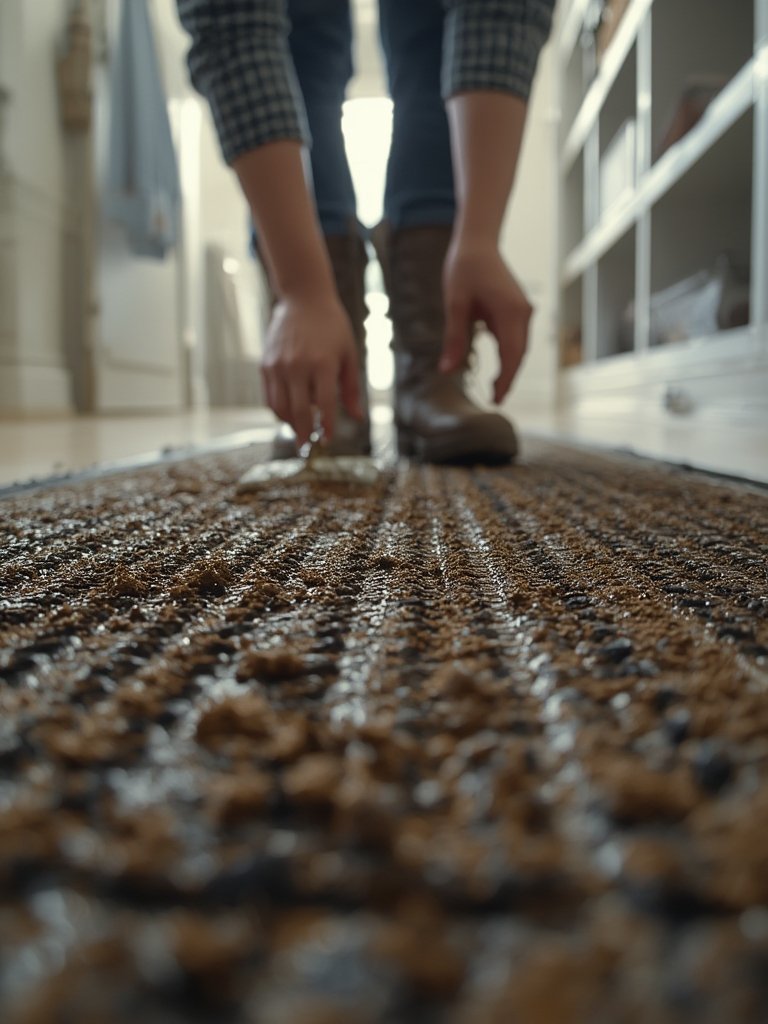
For optimal wet weather protection, combine your muddy mat with essential home tools (like a boot scraper or brush by the door) and establish a routine for mat care.
If you have dogs, be sure to choose a pile that’s high enough to trap paw messes, and check out these grooming products to reduce how much dirt enters the home in the first place.
Advanced Analysis & Common Pitfalls
Most muddy mats promise a lot, but real performance depends on a few overlooked details—and there are common pitfalls homeowners should know:
| Brand | Material & Thickness | Absorbency Claim | Backing/Grip | Machine Washable | Price Range (USD) |
|---|---|---|---|---|---|
| Muddy Mat | 100% Chenille, 1″ plush | 5x weight (no lab data) | TPE/TPR, non-slip | Yes | $19.95–$66.50 (often $16.99–$60.13 on sale) |
| Waterhog Classic | Synthetic; bi-level, reinforced | 6.5L/square meter | Rubber nubs | Easy-clean (not all machine-wash safe) | $30–$60 |
| Waterhog Eco | Recycled PET/car tires, extra pile | Heavier pile, not quantified | Reinforced rubber, eco design | Easy-clean | $40–$70 |
| Apache Mills, Room Essentials, Kaluns | Various synthetic & budget options | Not specified | Basic grip, thinner | Some machine-washable | $10–$60 |
Common Pitfalls and Limitations
- Absorbency Doesn’t Last Forever: All mats eventually become saturated. On rainy days or with heavy use, expect to wash and dry more frequently.
- Grip Can Fade Post-Wash: Non-slip backings wear down after dozens of washes. Always test grip after drying to prevent slips, especially on smooth floors.
- No Safety or Eco Certifications: Despite tough eco-friendly claims (like Waterhog Eco), no widely recognized certifications are attached to most mats. There are no certified allergen or slip-resistance ratings.
- Price Isn’t a Guarantee: Higher cost doesn’t always mean greater longevity or absorbency—reviews and independent test data are limited. Compare user reviews, but understand these often skew positive.
High-rated products with thousands of reviews (like Muddy Mat, with 25,000+ five-stars at Muddy Mats) indicate satisfaction, but details like odor retention, post-wash performance, or stubborn mud issues are underreported. Premium pricing (over $120 RRP at some retailers for similar mats) is often discounted for marketing.
If you’re considering more substantial updates for frequently used entryways, projects like budget home improvement ideas or upgrading outdoor maintenance tools can also help keep dirt outside in the first place.
Conclusion
A quality muddy mat isn’t a silver bullet, but the right one—backed by consistent care—dramatically reduces mess, slip risk, and stress at the doorway. Be realistic about maintenance, watch for wear and tear, and supplement with other tools if needed. Investing in a muddy mat will keep your entryway cleaner and your days easier—start with the best fit for your home and check for ongoing specials to grab extra value. Ready to take control? Don’t wait for the next rainy day—put a muddy mat to work now.
FAQ
How often should I wash my muddy mat?
Wash the mat at least once a month for regular traffic, and weekly if you have pets or heavy mud. This keeps it absorbing at peak performance and prevents odor build-up.
Will a muddy mat damage my hardwood or tile floor?
Quality mats (like Muddy Mat with TPR/TPE backing) are designed to protect floors, not damage them. Always dry the mat thoroughly after washing and check backing grip before resetting it on smooth surfaces.
How do I know if a mat is really non-slip?
Look for TPR or TPE backing in the description. After unboxing or each wash, step and twist lightly on the mat—if it moves easily, it’s not gripping properly and may need replacing.
Are muddy mats safe for people with allergies?
No muddy mats currently carry verified allergen safety certifications. Choose mats that wash easily at high temperatures to minimize allergens.
Are there eco-friendly muddy mat options?
Some, like the Waterhog Eco, are made with recycled plastics and tires. However, there are no widely accepted eco certifications for these mats—verify production claims with the manufacturer.
 Transform your home without draining your wallet
[…] indoors with pets after outdoor activities, looking for solutions like rinseroo shower hose or absorbent floor mats can also help with managing messes from ash or […]
[…] keeping muddy boots from coming indoors is an issue, try a muddy mat for dogs at your door—prevents tracking in soil during garden […]
[…] about keeping your outdoor living spaces mess-free? Check out Muddy Mat: 7 Best Ways to Keep Floors Clean for eco-minded home […]
[…] a female body candle as focal points—instead of just going for visual pattern. For floor care, a muddy mat that traps dirt can keep high-traffic maximalist spaces looking […]