

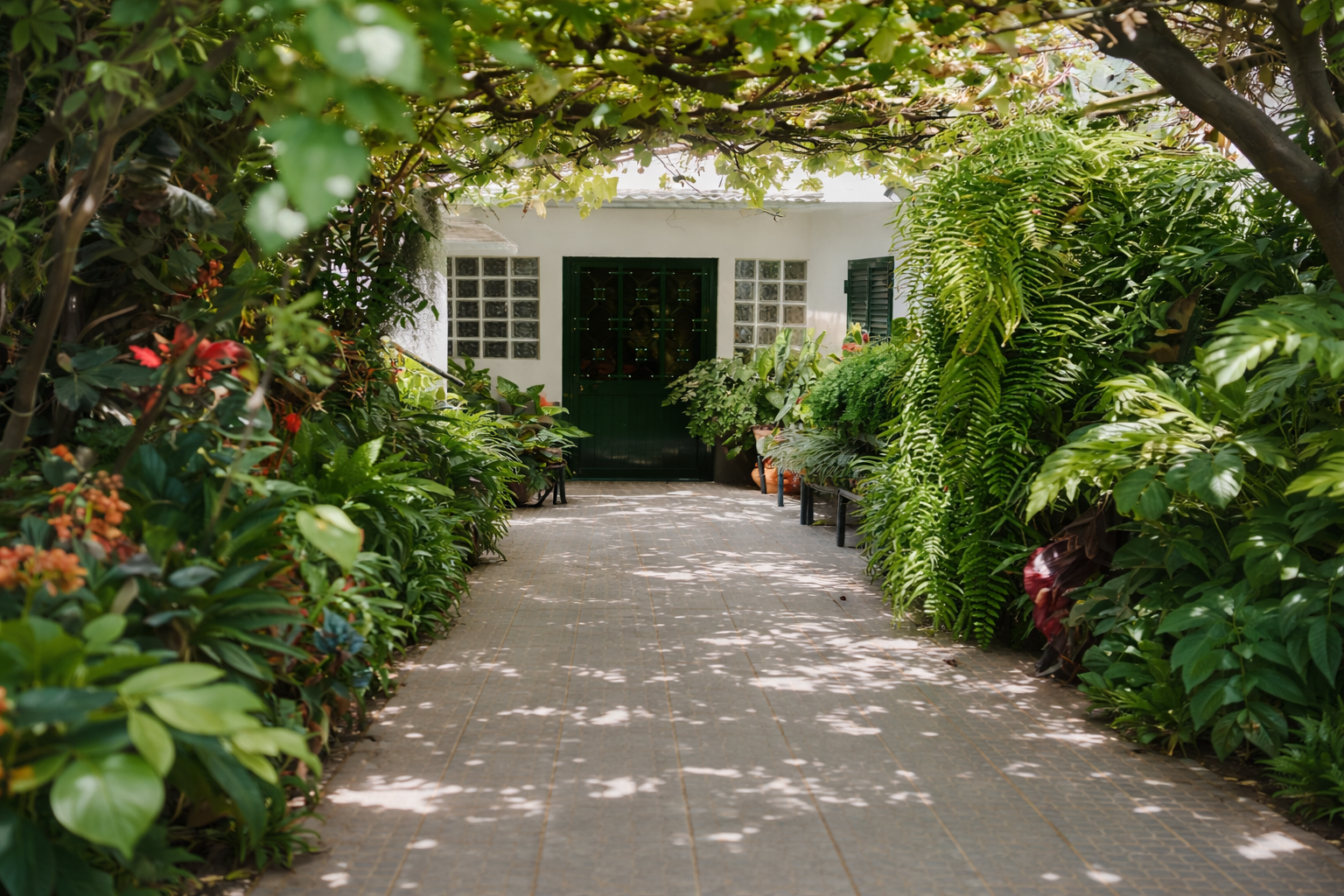
Fire-safe landscaping is now a crucial strategy for anyone living in wildfire-prone regions, as the frequency and severity of wildfires continue to rise. The right approach to your garden or yard can make a meaningful difference in reducing fire risk to your property, but it’s important to be realistic about limits, insurance regulations, and the real-world evidence behind defensible space.
Key Takeaways
- Fire-safe landscaping reduces your property’s vulnerability, but measurable data on its direct impact on property loss or insurance acceptance is lacking.
- No single plant, mulch, or design is “fireproof”—ongoing maintenance and smart layout are more valuable than plant lists.
- Be realistic: many insurance companies and local authorities do not offer definitive incentives or claim assurances for fire-safe landscaping practices.
- What Is Fire-Safe Landscaping and Why It Matters
- Step-by-Step Guide to Creating a Fire-Safe Landscape
- Advanced Analysis and Common Pitfalls
- Conclusion
- FAQ
What Is Fire-Safe Landscaping and Why It Matters
Fire-safe landscaping is the design, installation, and maintenance of yards, gardens, and outdoor spaces to minimize the risk of wildfire damage to your home. This approach emphasizes plant spacing, selection, hardscaping, and regular yard upkeep to create layers of “defensible space” where flames, embers, and heat are less likely to ignite structures. For those living indoors with pets after outdoor activities, looking for solutions like rinseroo shower hose or absorbent floor mats can also help with managing messes from ash or soot.
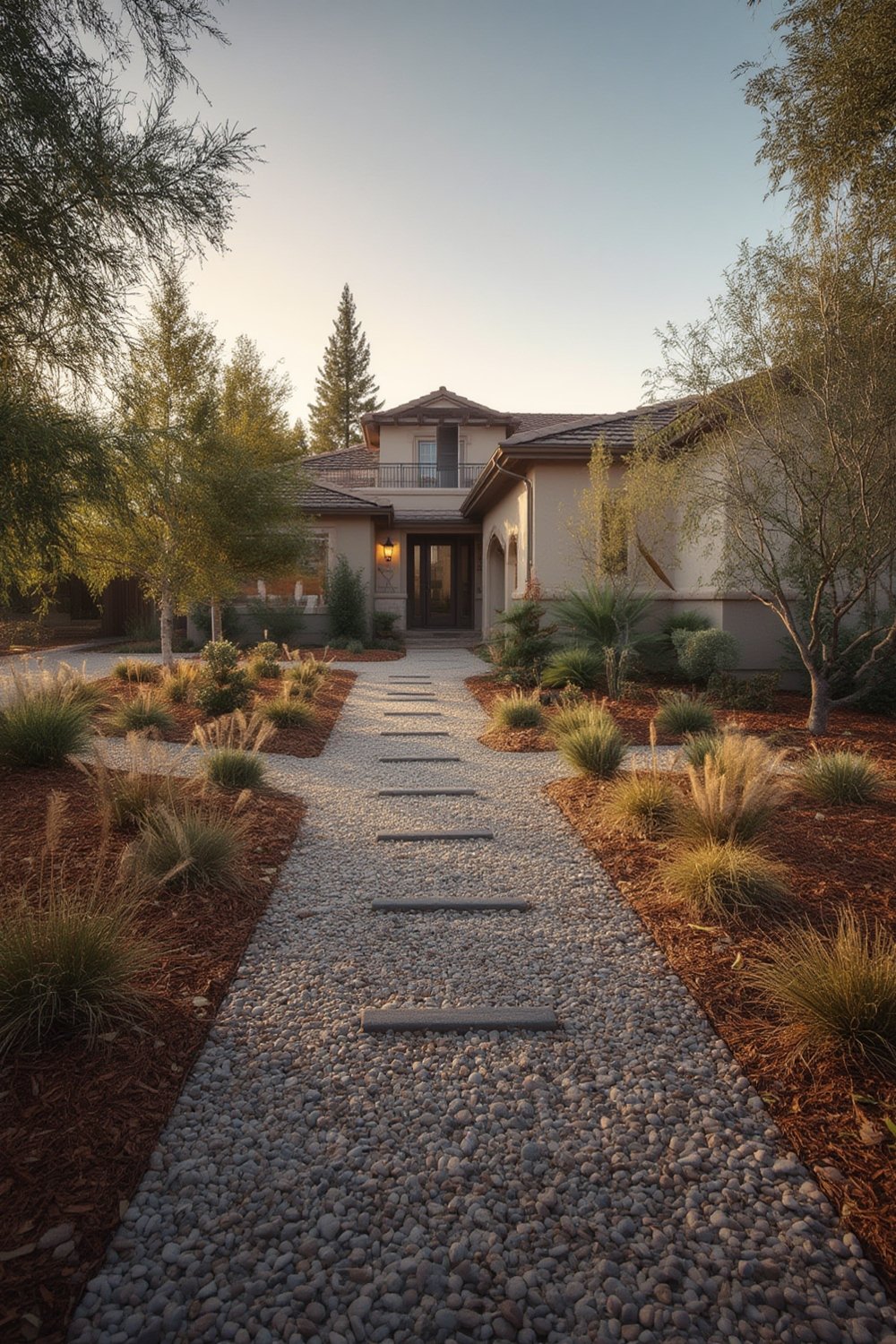
As wildfire seasons become longer and more erratic, especially in places like California, Colorado, and even the Northeast, property risk is not only about your proximity to wildland—it is also about what immediately surrounds your home. According to the National Interagency Fire Center, in 2024, nearly 9 million acres burned and over 2,400 homes were destroyed—a steep increase compared to the previous year.
While no landscaping method is totally fireproof, deliberate planning and maintenance can slow fire spread, buy valuable time for evacuation, and potentially reduce damages. However, the expectations need to be realistic: there is no proven guarantee that any plant or mulch will survive an intense wildfire, nor is there conclusive evidence that insurers offer better claim acceptance just based on landscape design (NAIC wildfire statistics).
Step-by-Step Guide to Creating a Fire-Safe Landscape
- Assess Your Defensible Space Zones.
Divide your property into three zones: the closest 5 feet (Zone 0), 5-30 feet (Zone 1), and 30-100 feet (Zone 2). The first zone is the area of most concern—avoid any combustible materials here, including wood mulch, firewood, and plants with flammable oils.
- Replace or Modify High-Risk Plants.
Remove resinous shrubs (like juniper, cedar, and pine) from the first 30 feet. No single plant species has proven “fire resistance”—choose low-growing, well-watered, and widely spaced plants instead. Consider native ground covers or even artificial turf for sections close to structures if allowed by your local code.
- Use Noncombustible Mulch and Hardscape Barriers.
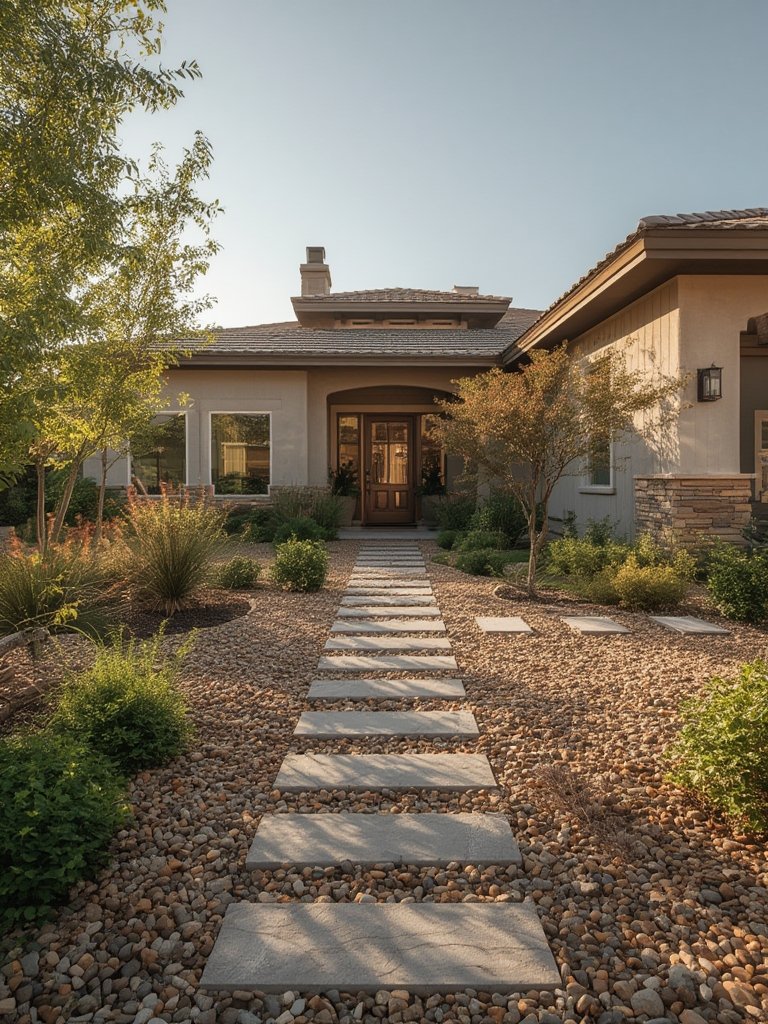
Avoid wood chips, shredded bark, and rubber mulches near structures. Instead, choose Gravel, decomposed granite, crushed rock, or even pavers in Zone 0. Limit mulch thickness to avoid heat retention. For those used to traditional lawns, micro meadow alternatives (like micro meadow lawn) might offer an eco-conscious option with lower combustibility.
- Maintain Vertical and Horizontal Spacing.
Trees should be trimmed at least 6 feet above ground; maintain space between tree canopies and remove ladder fuels like tall grasses or shrubs beneath trees. In narrow spaces, consider hardscape features rather than plantings.
- Commit to Ongoing Maintenance.
Remove dead leaves, fallen branches, and dried grass regularly. clean gutters, roof valleys, and deck undersides often—these spots collect embers even if your yard is clear.
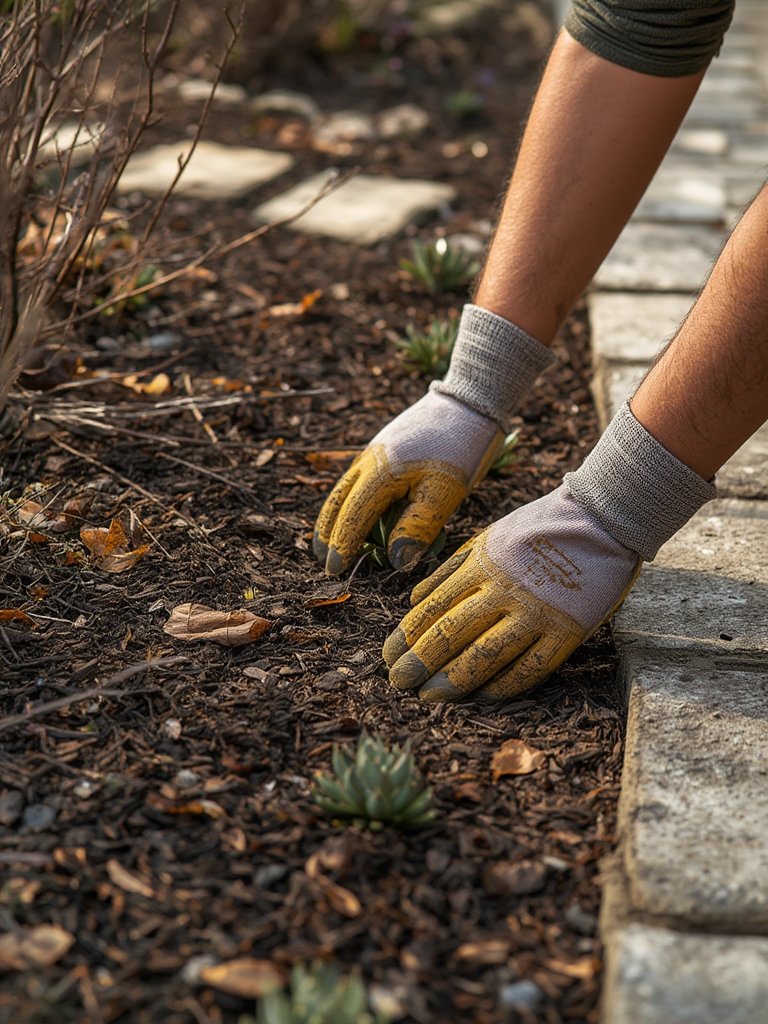
If you’re landscaping from scratch, discuss your plans with local fire authorities or your insurance provider, but expect that most can only give general guidelines. Some insurance companies in high-risk regions have begun asking about defensible space for new policy quotes, but as of 2024, there’s still little standardization or incentive system directly linked to fire-safe landscaping (LexisNexis wildfire claim data).
Looking for functional upgrades to complement your effort? Updating patio or entry mat systems (see: muddy mat for dogs) makes cleaning up after evacuation drills or sooty days much simpler, while digital tools like wall mounted digital calendar displays help keep your home preparedness routines visible and actionable for the whole family.
Advanced Analysis and Common Pitfalls
Based on current research, there are several practical challenges and misconceptions surrounding fire-safe landscaping, as well as limitations in existing guidelines and incentives.
- No Official Fire-Resistant Plant Lists with Survival Data: Despite common recommendations to “choose fire-resistant plants,” there is no university or fire authority data confirming survival rates for any species after direct wildfire exposure. Natural variability and climate shifts mean what survived in one fire may not in another. Focus on layout and maintenance over plant type.
- Mulch Alternatives: No Scientific Performance Scores: While gravel or decomposed granite are recommended near homes, scientific tests for ember resistance or ignition point ratings for mulch are not standardized as of 2024. Many “fire-safe” products are based on consensus, not hard evidence. If using mulch, keep it thin and outside the closest five feet to any structure. Insurance Information Institute data echoes this lack of product clarity.
- Insurance and Ordinances Remain Vague: No regional or national incentive programs exist rewarding homeowners with guaranteed lower premiums for fire-safe landscaping, nor are there widely publicized case studies showing measurable claims benefits or risk reductions.
- Comparative Costs Remain Unclear: As of 2024, there are no published studies comparing the initial or ongoing costs of “firewise” design—inclusive of ember-resistant mulch—versus traditional methods. Expect that hardscape and rock mulch will likely be more costly upfront but may reduce long-term maintenance, especially for those already seeking best storage solutions for small spaces and durable outdoor upgrades.
| Aspect | Fire-Safe Landscaping | Traditional Landscaping |
|---|---|---|
| Mulch Type | Gravel, decomposed granite, hardscaping | Shredded bark, wood chips |
| Plant Selection | Low-growing, well-irrigated, spaced apart | Dense, ornamental, mixed-height |
| Upkeep Needs | Monthly debris and branch removal, ongoing monitoring | Seasonal trimming, general mowing |
| Insurance Claim Impact | No guarantees, but aligns with local recommendations | No impact |
Many homeowners also overlook the importance of clear evacuation paths and staying organized for emergencies. Consider installing a shared touchscreen calendar or a seasonal gardening calendar as part of your emergency preparedness, so everyone in the household knows when to prepare and when to act.
Conclusion
Fire-safe landscaping is a smart and proactive way to reduce wildfire risk near your home, but embrace it with honest expectations—no yard is ever fully fireproof. Regular maintenance, smart material selection, and a defensible zone are your best strategies. Remember, measurable insurance and property savings based solely on fire-safe landscaping are not yet proven. For now, commit to these proven strategies, and stay vigilant as best practices and local guidelines evolve.
Ready to take the next step? Start planning your fire-safe landscaping today—protect your home, your loved ones, and your peace of mind.
FAQ
Is fire-safe landscaping required by law in wildfire-prone areas?
Some regions have ordinances mandating defensible space, particularly in California. However, rules vary widely by location, and enforcement may be inconsistent. Always check with your local fire authority or city planning office.
Do insurance companies give discounts for fire-safe landscaping?
Most insurers do not offer specific discounts for fire-safe landscaping, though some new policies may ask about defensible space. There is no standard guarantee of lower premiums or better claim acceptance as of 2024.
Is there a list of “fireproof” plants or mulches to use?
No. While some plants and mulches are less flammable than others, no species or mulch is fireproof. Focus on plant spacing, maintenance, and minimizing combustibles around your home.
How often should I maintain my defensible space?
Inspect and clean your landscape monthly during fire season. Remove dead or dry organic matter, trim low-hanging branches, and clear gutters regularly.
Can I use wood mulch if I water it regularly?
Watering wood mulch reduces risk but does not make it fire-safe—hot embers can still ignite well-watered mulch, especially in dry, windy weather. Use noncombustible options closest to buildings.
 Transform your home without draining your wallet
Hello !!
I came across a 162 very cool page that I think you should dive into.
This site is packed with a lot of useful information that you might find helpful.
It has everything you could possibly need, so be sure to give it a visit!
[url=https://www.corrierenazionale.it/2023/08/10/le-divinita-del-caso-tracciare-le-orme-della-fortuna/]https://www.corrierenazionale.it/2023/08/10/le-divinita-del-caso-tracciare-le-orme-della-fortuna/[/url]
And don’t neglect, folks, — you at all times are able to in this article discover solutions to the most the very complicated inquiries. We tried to explain the complete information via the extremely understandable way.