

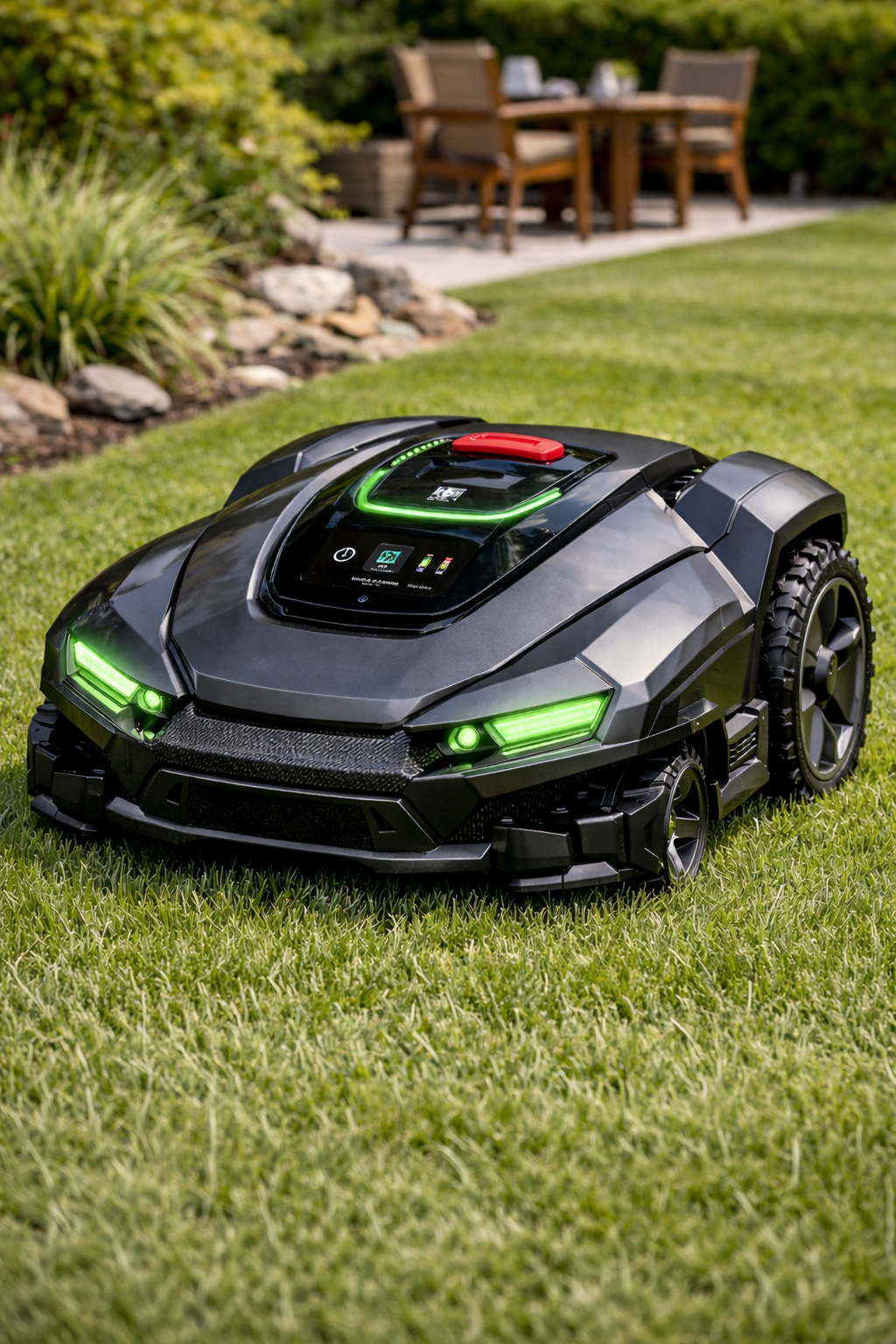
Wire-free robot lawn mower technology is quietly transforming how homeowners and garden enthusiasts keep their lawns neat—without the hassle of traditional boundary wires. By combining GPS, RTK, and AI-driven navigation, these robots offer truly autonomous mowing for all lawn sizes. Here’s what you need to know, free of marketing hype.
Key Takeaways
- wire-free robot lawn mowers are seeing fast global adoption, especially in North America and Asia-Pacific, led by Segway Navimow and Mammotion LUBA brands.
- Core innovations include GPS/RTK virtual boundaries and AI-driven navigation, which make setup far easier than the old perimeter-wire models.
- Common pitfalls remain—especially in tricky lawn layouts, with limited real-world data on negative reviews or compatibility with all grass types.
- 1. The Core Concept: What is a Wire-Free Robot Lawn Mower?
- 2. Step-by-Step Guide: How to Deploy a Wire-Free Robot Lawn Mower
- 3. Advanced Analysis & Common Pitfalls
- 4. Conclusion
- 5. FAQs
The Core Concept: What is a Wire-Free Robot Lawn Mower?
Wire-free robot lawn mowers are autonomous devices that use GPS, real-time kinematic (RTK) navigation, and AI-based sensors instead of physical boundary wires to map and mow your lawn. Instead of digging in wires, you define a virtual boundary from your smartphone or control panel. The robot then patrols and trims your grass, recognizing obstacles and adapting routes as needed.
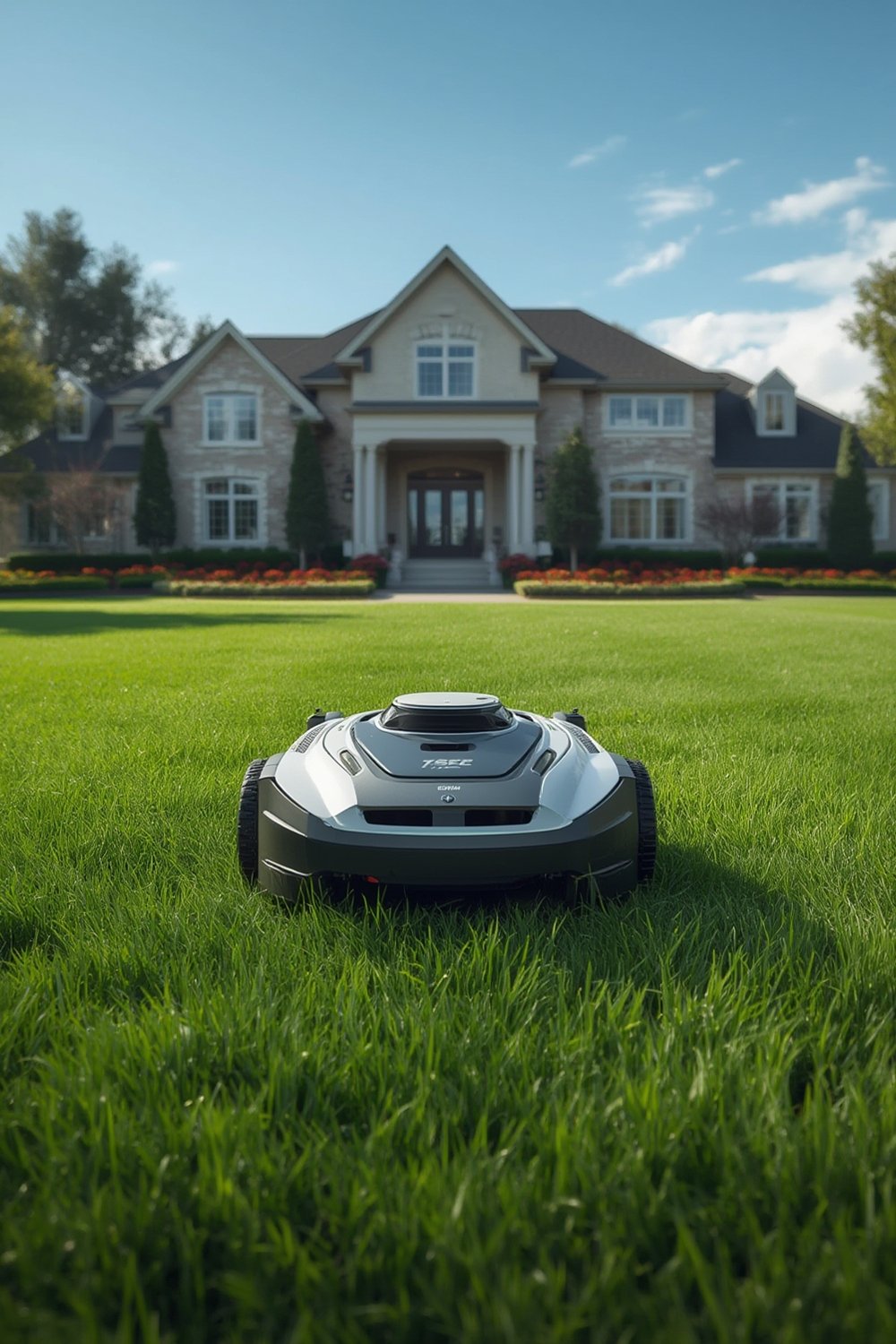
This approach saves dozens of installation hours and eliminates future repairs caused by broken wires. Brands like Segway Navimow and Mammotion LUBA are leading the global market in 2024. These mowers are popular for medium (0.25-0.5 acre) to large lawns, with fastest growth in residential buyers, especially in North America and rapidly urbanizing regions of Asia.
If you’ve ever struggled with tangled wires or a complex installation, wire-free models are designed to address that pain—and can usually be setup afternoon.
To streamline your cleaning routine even further, consider pairing your wire-free mower with clever home organization upgrades. See our guide on pantry and closet organization tips to keep all your garden and yard tools tidy.
Step-by-Step Guide: How to Deploy a Wire-Free Robot Lawn Mower
- Choose the Right Model. Assess your lawn size. For small spaces (under 0.25 acres), look at mid-range Segway Navimow i-series. Mammotion LUBA is ideal for mid-to-large lawns. Always check minimum and maximum area specs before you buy.
- Prepare Your Lawn. Walk the property and clear obvious debris, roots, or branches. For lumpy or steep areas, consider some basic prep (fill holes, trim edges).
- Map the Boundaries. Use the mower’s companion app or control panel. Most wire-free models let you walk the mower or drop “pins” via smartphone to set virtual boundaries with GPS/RTK accuracy.
- Set Obstacles and No-Go Zones. Fence off ponds, flower beds, or play equipment virtually. The best models allow zone customization for complex yards, just as you’d use a rinseroo shower hose to target tough-to-reach corners when cleaning.
- Initiate Mowing Schedule. Program your mowing times (days/hours) in the app. These robots operate quietly, so you can set them for early evening or weekends without disturbing neighbors (usually under 60 dB).
- Monitor and Adjust. Use your smartphone to monitor battery, area coverage, and missed spots. Most wire-free robot mowers will self-dock for recharging.

Worried about muddy paws or grass clippings on entry? Check our guide on muddy mat for dogs and rainy days to keep your floors cleaner when the job’s done.
Deploying a wire-free robot lawn mower is far more flexible than traditional wired models. You can re-map areas instantly if your garden layout changes, and most modern models support ongoing software updates for new features.
For gardening beginners looking to tackle more than just mowing, see our proven vegetable gardening guide—another homefixlabs resource for thriving yards and gardens.
Advanced Analysis & Common Pitfalls
Wire-free robot lawn mowers offer real advantages, but the technology is not without tradeoffs. Here’s what the latest research shows, along with actionable solutions.
Key Market Trends and Innovations
- Growth: Globally, the robot lawn mower market reached US$1.45 billion in 2024, with sharp growth driven by wire-free models.
- Dominant Brands: Mammotion LUBA and Segway Navimow are the global leaders for wire-free robot sales.
- Residential Focus: Medium lawns (0.25-0.5 acres) are the main market, but models for both small and large lots are emerging fast (source).
Comparison Table: Key Brands and Features
| Model/Brand | Key Innovation | Notes |
|---|---|---|
| Segway Navimow | RTK/GPS, AI vision | Centimeter-level precision, top wire-free seller (research) |
| Mammotion LUBA | Wire-free virtual boundaries | Residential focus, one of fastest-growing in 2024 (source) |
| Husqvarna Automower | App connectivity, geofencing | Remote setup and obstacle customization (source) |
Common Pitfalls and Issues
- No Perfect Setup Experience: While you avoid the hassle of laying wire, app-based mapping can be fiddly. GPS/RTK can lose accuracy under dense trees or near large metal structures (sheds, vehicles).
- Lawn Shape Matters: Wire-free robots excel with regular rectangles or open areas, but struggle more on sharply angled, fragmented, or multi-level yards. You may find small corners missed or uneven coverage.
- Ongoing Maintenance: Price points for wire-free mowers (Segway Navimow i-series: $999-$1,299) are competitive, but not dramatically cheaper than premium wired models. Operational costs are low, but some users may face higher upfront costs for advanced features.
- Compatibility Questions Remain: There is little user-reported data about performance on thick, tall grass, or how well robots handle extreme slopes and damp conditions.
- Limited Negative Reviews: Research uncovers almost no direct negative reviews of RTK robots, indicating potential sample bias or a relatively new market segment with limited long-term user feedback (more info).
- Updates and App Support: All major brands deliver regular firmware updates, but not all add new features, and some require registration or cloud accounts.
- Ground Repair Tip: For patching up low spots, try a fill holes kit for quick, even growth.
Looking to create a pet-friendly, low-shed home inside as well? Don’t miss our pet hair remover glove expert guide for tips tailored to busy pet owners.
Conclusion
Wire-free robot lawn mowers deliver an unmatched blend of convenience and cutting-edge tech—providing quick installation, flexible boundaries, and reliable mowing for modern homeowners. While the market is young and some downsides (like GPS signal loss or unknown long-term durability) remain, the benefits typically outweigh the challenges for most standard lawns. If you value ease and flexibility, a wire-free robot lawn mower is well worth considering for your yard management strategy.
Ready to reclaim your weekends? Compare wire-free models today and enjoy a smarter, lower-maintenance lawn that leaves more time for the activities you love.
FAQ
How do wire-free robot lawn mowers map and confine themselves to your yard?
They use GPS and RTK (real-time kinematic) navigation to create virtual boundaries via a smartphone app, so you don’t need to install physical wires. Just trace your desired perimeter, and the robot stores it in memory.
Are wire-free models reliable on steep or uneven lawns?
The best wire-free models perform well on moderate slopes, but there is limited user feedback on extremely steep or bumpy lawns. For best results, fill holes and level major bumps before first use.
Do virtual boundary robot mowers work for very small gardens?
Yes, especially affordable models like the Segway Navimow i-series. Always check the minimum mowing area requirement in the technical specs before buying.
Can a wire-free robot mower handle multiple or irregular zones?
Most advanced models support “zone” mapping, allowing you to define and switch between multiple areas—even separated by paths or patios.
Is a wire-free robot lawn mower noisy?
No, most operate under 60 dB—similar to a quiet dishwasher. They’re designed to work unobtrusively, making them suitable for evening or weekend operation.
 Transform your home without draining your wallet
[…] For convenience, aim for systems that don’t require digging. Products like wire-free robot mowers can also minimize setup headaches; find options in Wire-Free Robot Lawn Mower: 7 Best Ways to Improve Lawn Care. […]
[…] enhance functionality, combine your outdoor daybed patio with smart home or garden tech such as an RTK robot mower for effortless lawn care, or use a smart irrigation controller to optimize adjacent landscaping. […]