

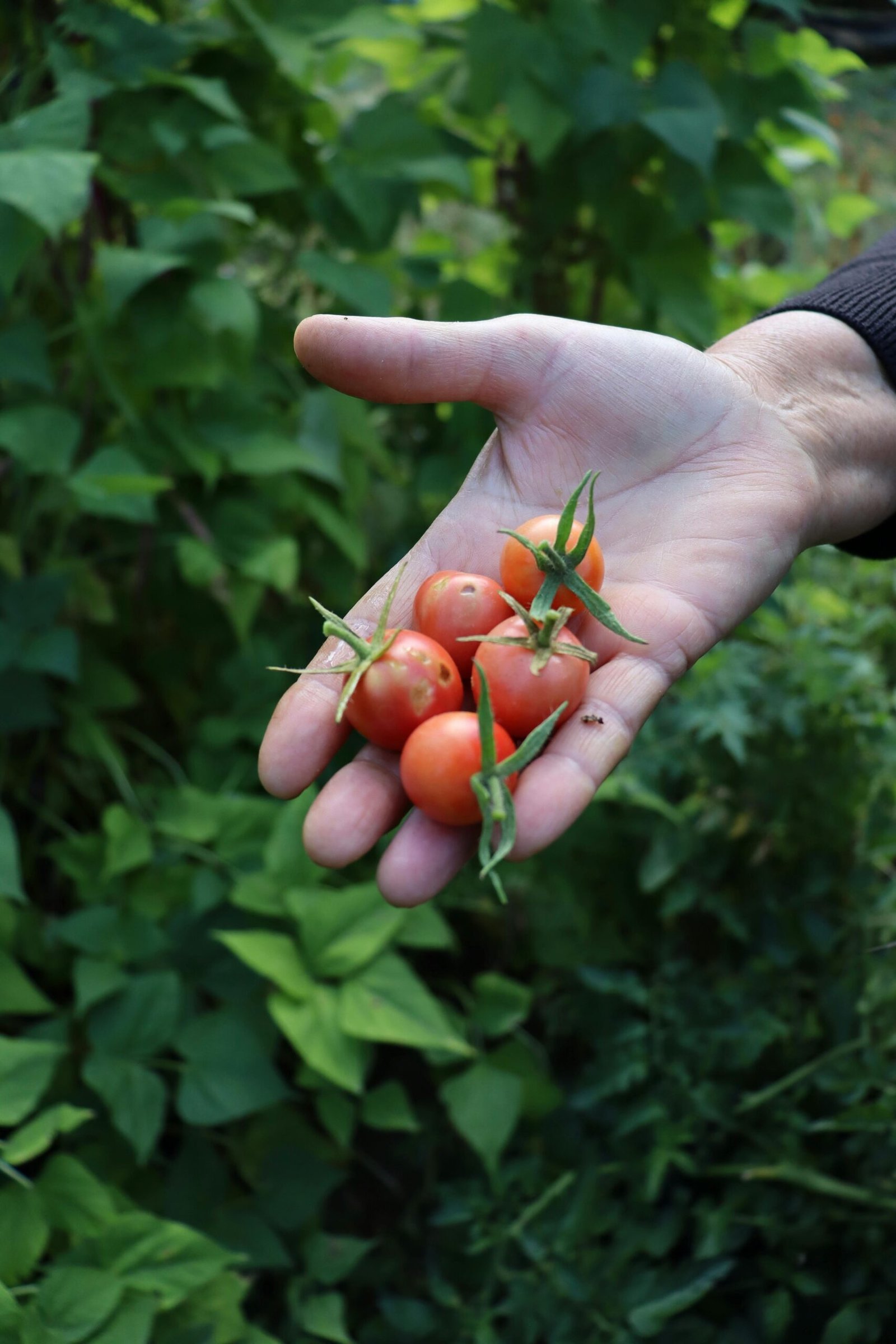
Tabletop tomato plants are the game-changer for anyone craving garden-fresh tomatoes but stuck with limited space indoors, on a balcony, or on a kitchen counter. If you want high yields in small containers, lower maintenance, and bold, ornamental value right where you live, this is the practical setup you need—no backyard required.
Key Takeaways
- Compact, disease-resistant tabletop tomato varieties are in high demand for urban and small-space gardeners.
- Dwarf plants thrive in containers as small as 2 gallons, but setup costs and pitfalls are often overlooked in mainstream guides.
- Productivity, ornamentation, and maintenance all depend on variety choice, tech advances, container specs, and realistic expectations.
- 1. The Core Concept: Why Tabletop Tomato Plants?
- 2. Step-by-Step Guide: Grow Tabletop Tomato Plants Anywhere
- 3. Advanced Analysis & Common Pitfalls
- 4. Conclusion
- 5. FAQ
The Core Concept: Why Tabletop Tomato Plants?
Tabletop tomato plants are specially bred dwarf tomato varieties designed for containers that fit on a countertop, windowsill, or patio table. Their popularity exploded in 2024 as more urban gardeners and small-space dwellers sought ways to grow fresh produce at home without complex garden setups. These compact plants—typically 2 to 4.5 feet tall—are sturdy, highly productive, and can even double as attractive edible decor.
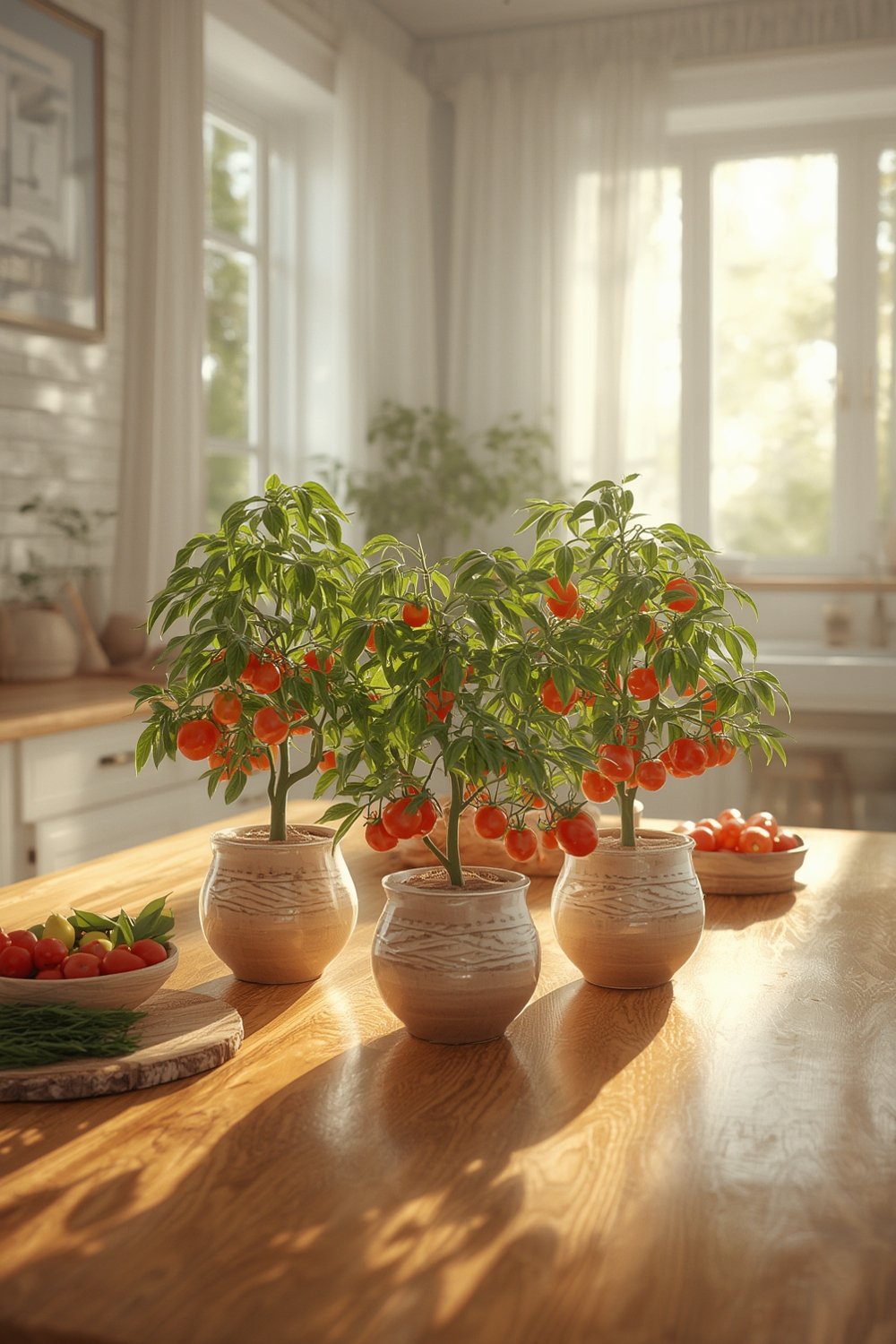
This surge is driven by consumer demand for cherry and hybrid tomatoes, which are compact, disease resistant, and tailored for small pots. The global tomato seeds market hit nearly $1 billion in 2024, with cherry tomatoes enjoying a 20% rise in household penetration (details). New hybrids like “Dwarf Confetti” and “Red Viper Dwarf” feature stripped-down stature but bold looks and yields, suiting the aesthetic and practical needs of modern container gardeners (source).
Beyond tomatoes, compact pepper and chilli plants are joining the trend, but tomatoes remain the easiest, quickest reward for first-time indoor growers. The appeal? They’re as productive as larger garden plants, occupy a fraction of the room, and transform even a studio apartment into a harvest zone.
Paired with innovations in protected cultivation, premium seed genetics, and user-friendly containers, tabletop tomato plants offer an accessible entry point into urban gardening for anyone with a sunny spot and basic tools. For a broader approach to small-space growing, see our proven guide to indoor herb garden setups.
Step-by-Step Guide: Grow Tabletop Tomato Plants Anywhere
You don’t need a garden—or even a balcony—to enjoy homegrown tomatoes. Follow these steps to set up a thriving tabletop tomato production right in your home.
- Pick the Right Variety
For best results, select proven dwarf or compact cherry tomato types, such as “Dwarf Confetti” or “Tiny Tim.” Avoid full-size beefsteak varieties—they require more soil, light, and headspace than tabletops can provide. Red and yellow cherry types are usually the most ornamental and productive. - Gather Your Materials
- Pot Size: A 2 to 3-gallon container (minimum 8 inches deep) with drainage works for most dwarf tomatoes. Self-watering pots help if you travel or forget to water.
- Soil Mix: Use premium potting mix formulated for vegetables—not garden soil. Mix in slow-release vegetable fertilizer or compost for steady feeding.
- Light: At least 6-8 hours of direct sunlight is required—ideally a south-facing window. Otherwise, supplement with a full-spectrum grow light (30W+ LED panel, 12 inches above the canopy).
- Stakes or Cages: Even “compact” indeterminate plants produce clusters of fruit that benefit from lightweight staking or a small wire cage.
- Planting & Transplant Shock Prevention
If using nursery plants, gently tease out the roots and plant at the same depth as the nursery pot. Sow seeds 0.25 inches deep and keep moist until germination. To minimize shock, water thoroughly right after planting and keep the pot out of direct hot sun for two days. - Initial Water & Feed
Water thoroughly and allow excess to drain. Don’t let pots sit in water. Once plants have two sets of true leaves, begin a mild, balanced tomato fertilizer every 10-14 days. - Ongoing Maintenance
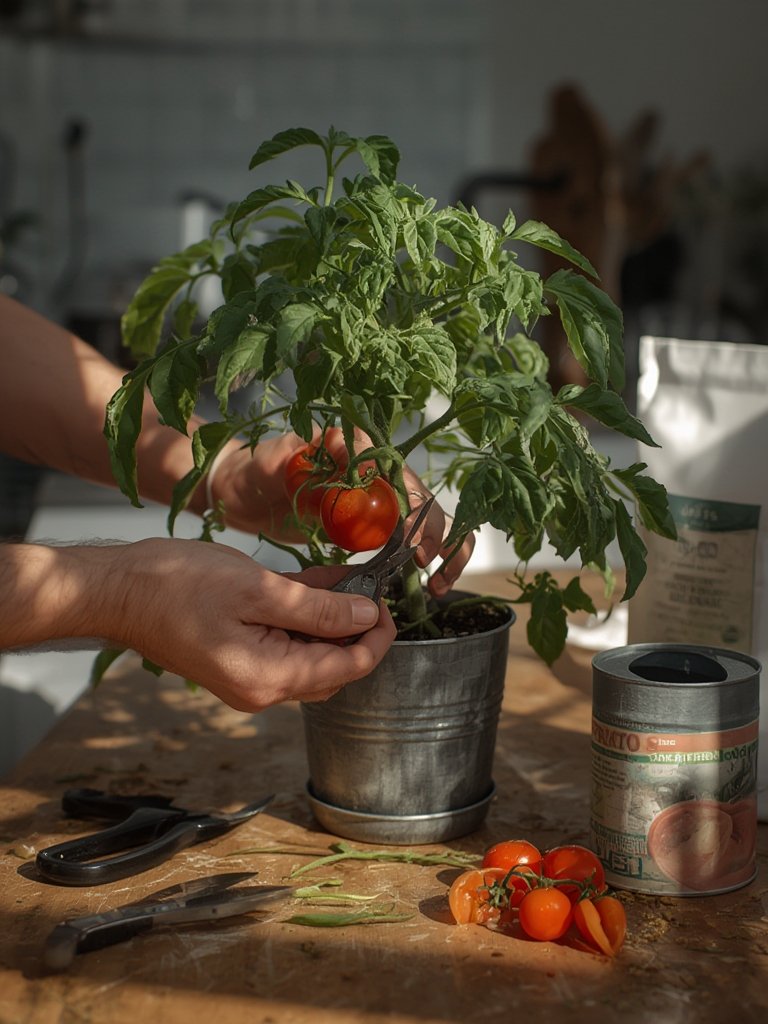
Check soil moisture daily—tables in sunny windows dry fast. Prune the lowest leaves as plants grow to promote airflow and prevent disease. Rotate the pot a quarter-turn every few days for even exposure. - Pest Monitoring & Response
Indoor plants face fewer pests, but keep a lookout for aphids, spider mites, and whiteflies. Remove affected leaves. For stubborn infestations, rinse with a hose, or use gentle organic controls—see our proven methods for cleaning and rinsing plants safely.
- Harvesting & Ornamental Touches
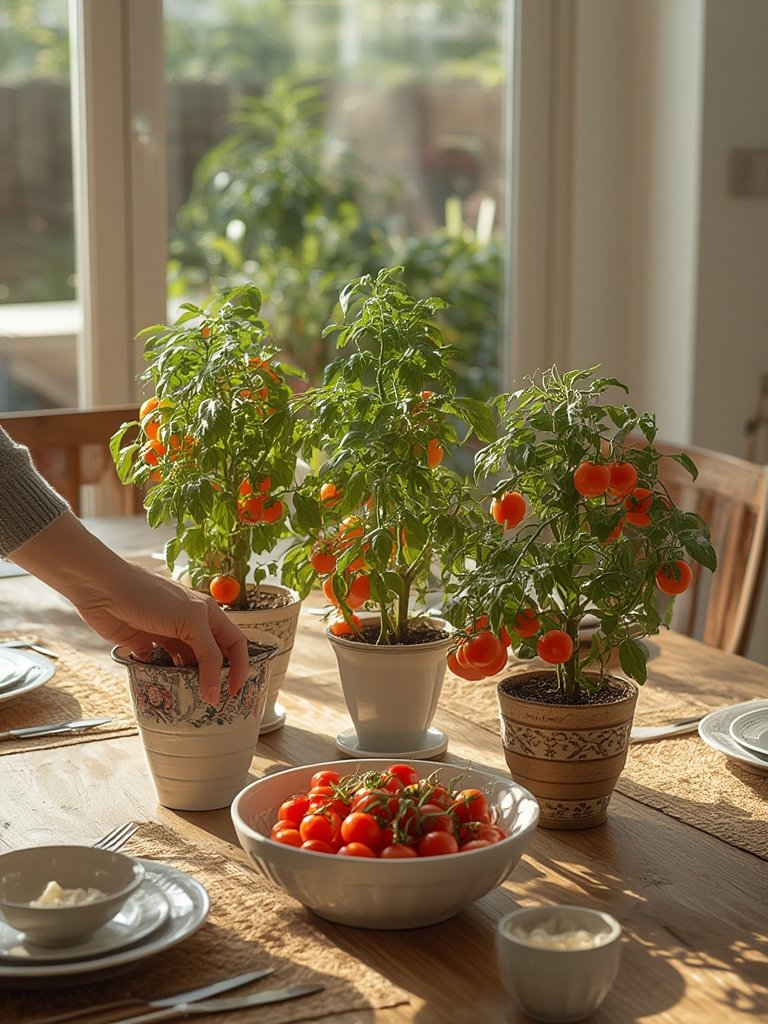
Dwarf cherry varieties usually ripen in 55-85 days from transplant. Pick fruit regularly to encourage continued flowering. For extra decorative appeal, choose colorful varieties, cascade two or three pots together, or combine with dwarf peppers for a mixed edible centerpiece. For more design tips, check out the best storage solutions for small spaces.
For an even cleaner growing environment and easier care, set your pots atop an absorbent floor mat that traps water and dirt, preventing soil or water spills from becoming a hassle on your kitchen or living room surfaces.
Advanced Analysis & Common Pitfalls
Urban gardeners should be realistic about the pros and cons of tabletop tomato plants. While the trend is growing fast, beginners often hit several hurdles due to overlooked setup details or misguided expectations. Let’s break down the typical issues and how to minimize them.
| Challenge | Why It Happens | How to Avoid or Fix |
|---|---|---|
| Low Yield Despite Healthy Growth | Insufficient light (window too shaded) or too small a pot restricts fruiting. | Use a 2-3 gallon pot at minimum and ensure 6-8 hours of direct sunlight or add strong grow lights. |
| Leggy/Floppy Plants | Lack of overhead light or wrong, full-size tomato variety. | Choose true dwarf or ‘micro’ varieties, and place grow lights directly above plants. |
| Pest or Disease Outbreaks (even indoors) |
Poor airflow, overwatering, or bringing in infested plants/tools. | Prune bottom leaves for airflow, avoid wetting foliage, isolate new plants for one week. |
| Container Messes (Overflow, Water Damage) | Pots without saucers, overfilled watering, or low-quality containers. | Always use pots with drainage, catch basins, and water slowly. |
| Setup Costs Higher Than Expected | Underestimating price of containers, lights, quality soil, and fertilizer. | Set a budget: expect $8-15 per plant (pot, soil, seedling, fertilizer). Reuse containers from season to season. |
| Irregular or Small Fruit | Poor feeding schedule or inconsistent watering during fruit set. | Stick to fertilizer instructions and keep soil evenly moist, not soggy or bone dry. |
Most content online skips over setup costs and technical details like soil blends and minimum light intensity, which is why so many attempt and fail at growing true patio or tabletop veggies. If you want to expand your productivity or switch to more advanced methods, see our companion guide on creating micro meadow pollinator habitats.
Conclusion
Tabletop tomato plants are the ideal solution for anyone seeking homegrown produce in tight modern living spaces. Choose compact, disease-resistant varieties, invest in quality containers and lighting, and plan for both beauty and productivity on a miniature scale. By following realistic, actionable steps—and prepping for common setbacks—you can turn even a sunny corner of your kitchen into a thriving garden.
Ready to get started? Pick your favorite tabletop tomato plants, grab some premium potting mix, and claim your countertop harvest today.
FAQ
What are the best varieties of tabletop tomatoes for small spaces?
Look for dwarf or micro varieties such as “Dwarf Confetti,” “Tiny Tim,” or “Red Viper Dwarf.” These stay compact, mature quickly, and produce lots of fruit in small pots.
How much sunlight do tabletop tomato plants need indoors?
Ideally, 6 to 8 hours of direct sunlight daily—or a strong, full-spectrum grow light placed 12 inches above the plants. Less light results in poor yields and leggy stems.
What pot size is best for tabletop tomato plants?
A 2 to 3-gallon container (about 8-10 inches deep and 10-12 inches wide) works for most compact types. Always use a pot with drainage.
How long does it take to harvest fruit from tabletop tomatoes?
Most dwarf or cherry varieties begin fruiting in 55 to 85 days from transplant. Picking regularly encourages even more fruit to set.
What’s a typical budget for a tabletop tomato setup?
Expect to spend $8-15 per plant, covering the pot, soil, seedling or seeds, and basic fertilizer. Upgrades like self-watering pots and LED grow lights add cost but boost reliability and output.
 Transform your home without draining your wallet
[…] controller with moisture sensors. For dedicated container gardening, check out expert guides like Tabletop Tomato Plants: 7 Amazing Ways to Maximize Yields or Sproutl: 7 Best Ways To Grow […]