

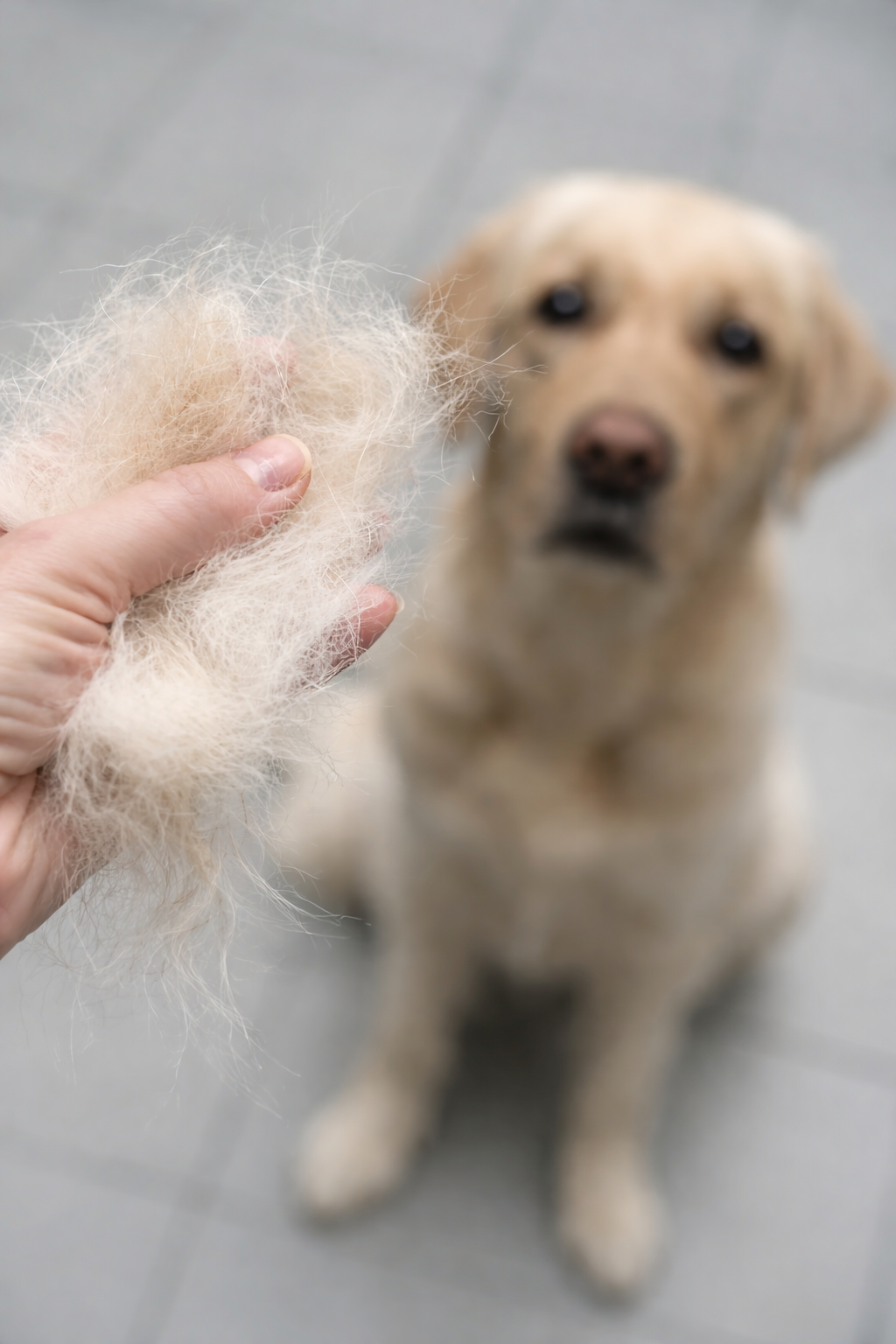
Pet hair remover gloves solutions have transformed home grooming for cats and dogs, making it easier to keep your home—and your pets—hair free with minimal stress and hassle.
Key Takeaways
- Pet hair remover gloves offer a simple way to remove loose hair from pets and furniture, but results depend on glove type and usage.
- Material differences matter: rubber, silicone, and microfiber each provide unique benefits and drawbacks for pet owners.
- Few products are perfect—understanding limitations, proper cleaning, and usage methods is key for getting the best results.
- What Is a Pet Hair Remover Glove and Why Use One?
- How to Use a Pet Hair Remover Glove: Step-by-Step
- Advanced Analysis & Common Pitfalls
- Conclusion
- FAQ
What Is a Pet Hair Remover Glove and Why Use One?
A pet hair remover glove is a wearable grooming tool designed to remove loose fur from your pet quickly and comfortably. Shaped like a standard glove, these products use soft rubber, silicone, or microfiber nubs and bristles on the palm and fingers, allowing you to pet and de-shed your animal without causing anxiety or discomfort. By combining grooming and affection, gloves can help maintain a clean household and strengthen your bond with your cat or dog.
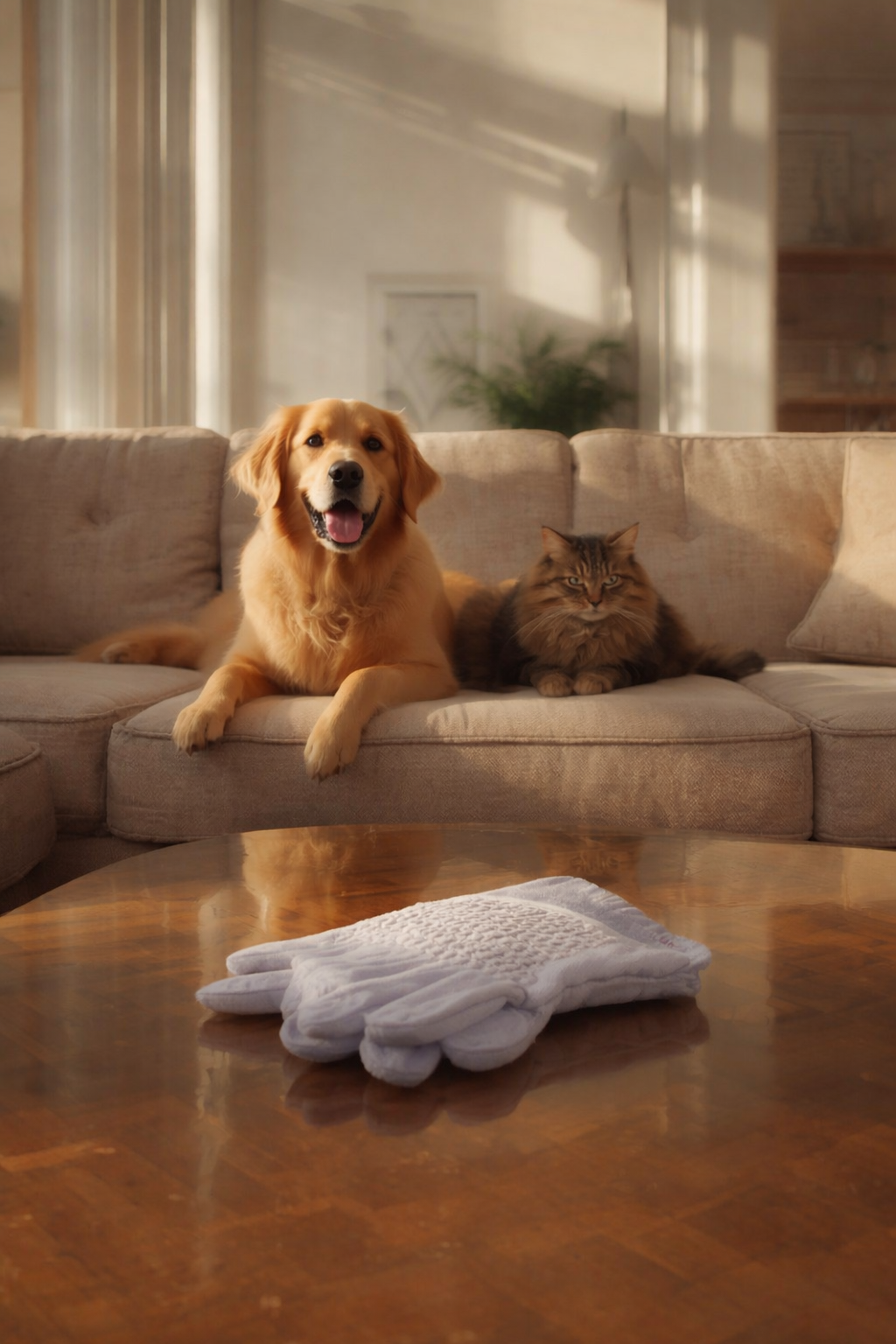
Pet hair remover gloves are popular because they turn grooming into a calm, natural activity—not a stressful chore for you or your pet. With the right type, you can tackle shedding in dogs and cats, minimize hair on furniture and clothes, and even use some styles for surface cleaning.
Market demand has soared in recent years. According to the 2024 Global Pet Grooming Glove Market Report, this market reached $1.14 billion in 2024, with a projected $2.5 billion by 2032. Rubber, silicone, and microfiber gloves each hold significant market share, reflecting diverse pet owner needs and preferences.
Unlike many traditional brushes or mitts, silicone gloves in particular are valued for their flexibility, comfort, and ability to suit various hand sizes and pet coat types. However, performance, ease of use, and cleaning ability differ based on material.
If you want a low-stress, versatile way to manage shedding or reduce pet hair at home, a quality glove is a good start. For more pet care and comfort tips, check out our guide to best pet beds for dogs and cats.
How to Use a Pet Hair Remover Glove: Step-by-Step
Getting the most from your pet hair remover glove requires the right approach. Follow these steps to achieve the cleanest results on your pet and around your home.
- Pick the right glove for your needs.
Consider material. Silicone and rubber models are flexible and massage the skin. Microfiber variants help clean surfaces in addition to grooming. Choose a fit that fully covers your palm and fingers for better grip and reach. - Prepare your pet.
Calm your animal with gentle strokes before using the glove. If possible, groom in a contained area—outdoors or on a washable mats—to simplify cleanup. For nervous pets, introduce the glove slowly. - Start with gentle strokes.
Wear the glove on your dominant hand. Begin petting along the hair growth direction, applying steady, light pressure. This helps loosen and lift hair without causing discomfort. Groom in short sessions to monitor for skin irritation. - Remove and collect loose hair.
As hair gathers on the glove’s surface, peel it away and dispose. Repeat as needed until fur buildup decreases. - Clean the glove regularly.
After each use, wash the glove with mild soap and water to remove oils and stubborn hair. Dry thoroughly to extend its lifespan. Some microfiber gloves may be machine washable, but check the manufacturer’s care guide.
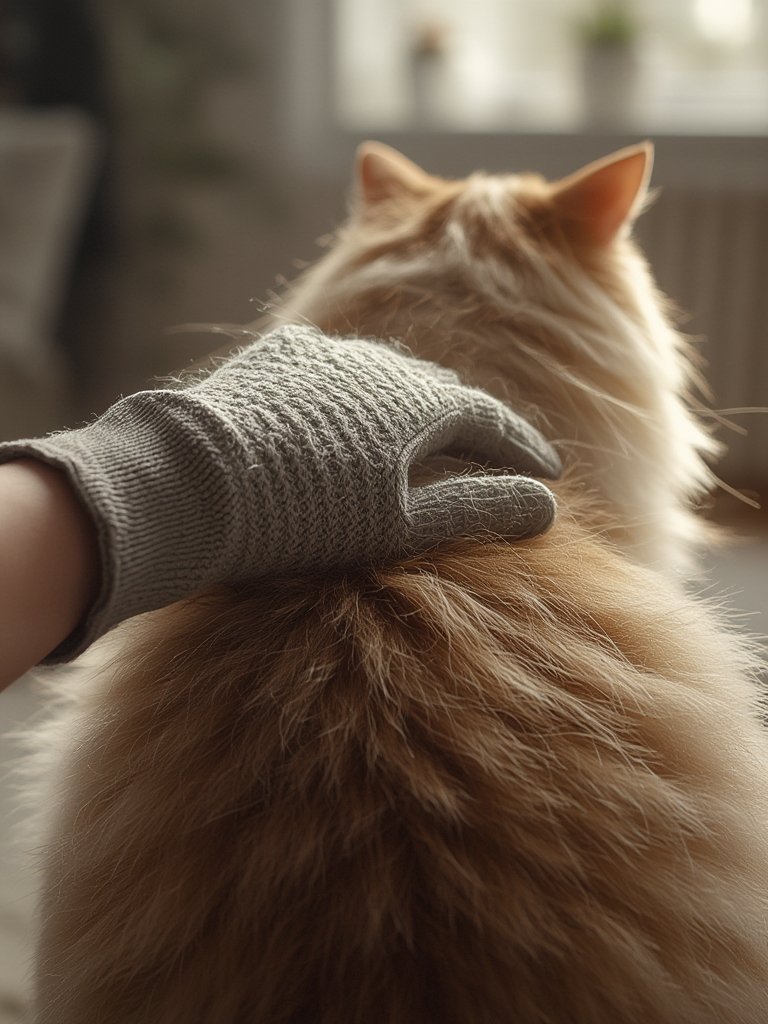
With practice, you can also use pet hair remover gloves to clean pet beds, clothing, and upholstery. For deeper pet hair problems in the home, pairing your glove with washable mats (like in our muddy mat review) or air quality improvements (improving indoor air quality) helps reduce allergens and fur buildup further.
Want more ways to simplify pet cleanup? See our favorite shower hose attachments for pet washing and get pro-level cleaning at home.
Advanced Analysis & Common Pitfalls
Despite their popularity, not all pet hair remover gloves are equally effective—and most have real limitations you need to know.
Based on industry data and user reports, here’s how gloves stack up by material:
| Material | Pros | Cons | Best Use |
|---|---|---|---|
| Rubber | Durable, grips short and medium hair, good for dogs | Can be stiff, less flexible for smaller hands, may miss fine fur | Heavy shedders with coarse coats |
| Silicone | Flexible fit, gentle on skin, easy to clean, comfortable for user | May struggle with thick undercoats, moderates at trapping very fine hair | Cats, short-haired dogs, timid or anxious pets |
| Microfiber | Cleans pet hair from surfaces, not just pets; doubles as a duster | Less effective for de-shedding, can saturate quickly | Furniture, car seats, light hair removal jobs |
Common pitfalls and realistic issues to expect:
- Not all gloves fit every hand size. Some models feel bulky for small hands, or uncomfortably tight for larger hands, making extended use challenging.
- Results may vary by pet coat type. long-haired or double-coated pets often require traditional brushes in addition to a glove. Gloves easily handle short-haired breeds and cats, but struggle to penetrate thick undercoats.
- Some gloves lose effectiveness if not cleaned often. Hair and oils can clog nubs and reduce grip. Always wash gloves after each use.
- Gloves won’t resolve major allergy issues alone. For severe dander allergies, invest in regular bathing, air purification, and high-quality mats in addition to grooming. See our tips in improving indoor air quality.
- Few are “one size fits all.” Be prepared to try different brands or styles. There’s no best glove for every pet—always check return policies before you buy.
- Beware of misleading claims. While top sellers like Four Paws claim dual massage and de-shedding action, there’s little clinical or vet-backed evidence for their effectiveness on cats, or compared to professional tools, according to available market research.
If you’re shopping for other essential grooming products, see our detailed guide to essential dog grooming tools for a comprehensive list of what every pet owner should have at home.
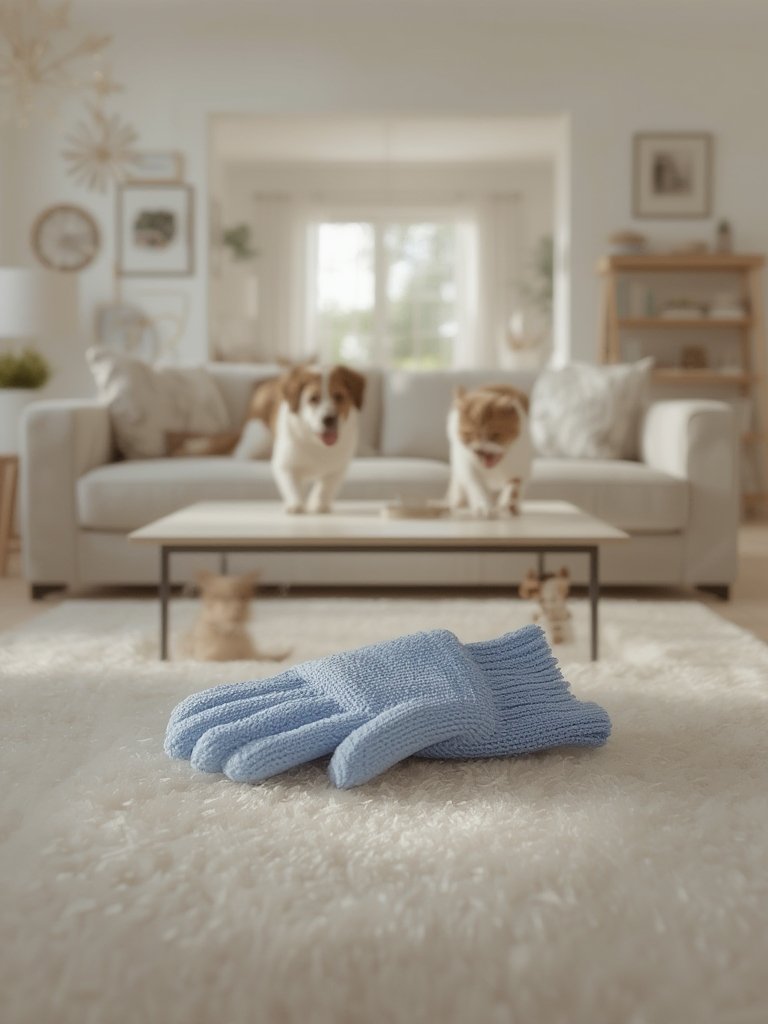
For homes with both cats and dogs, pairing a glove with high-performance pet beds (our review here) can help keep fur confined to specific easy-to-clean spots.
Conclusion
The right pet hair remover glove simplifies pet hair cleanup and builds trust with your pet—but your mileage depends on glove material, fit, and your animal’s specific needs. No glove will prevent shedding entirely, but with basic technique and routine cleaning, these simple tools keep hair at bay on both pets and surfaces. If you want the best shot at a cleaner home and a happier pet, try a pet hair remover glove as part of a broader, realistic cleaning and grooming routine.
Ready to take control of shedding? Explore the best options online or at your local pet store—and reimagine grooming time as an opportunity for connection, not a hassle.
FAQ
Do pet hair remover gloves work for both cats and dogs?
Yes, pet hair remover gloves are effective for most short to medium-haired cats and dogs. However, owners of long-haired or double-coated pets may need to supplement with traditional brushes for deep de-shedding.
Can these gloves be used on furniture or clothes?
Microfiber and some silicone gloves can remove pet hair from furniture, bedding, and clothing in addition to direct grooming. For stubborn hair on upholstery, try lightly dampening the glove for better results.
How do I clean a pet hair remover glove?
Most gloves can be washed with mild soap and water. Remove collected hair after each use. Microfiber models may be machine washable, but always check the care label.
Are these gloves safe for sensitive-skinned pets?
Silicone gloves are usually gentle enough for pets with sensitive skin, but always start with short sessions and monitor for irritation or discomfort.
Can a pet hair remover glove help reduce allergies?
Using a glove reduces loose hair and dander in your home, which may lower allergens. However, they’re not a complete solution for allergy sufferers. Combine regular glove use with frequent washing and proper home cleaning for the best results.
 Transform your home without draining your wallet