

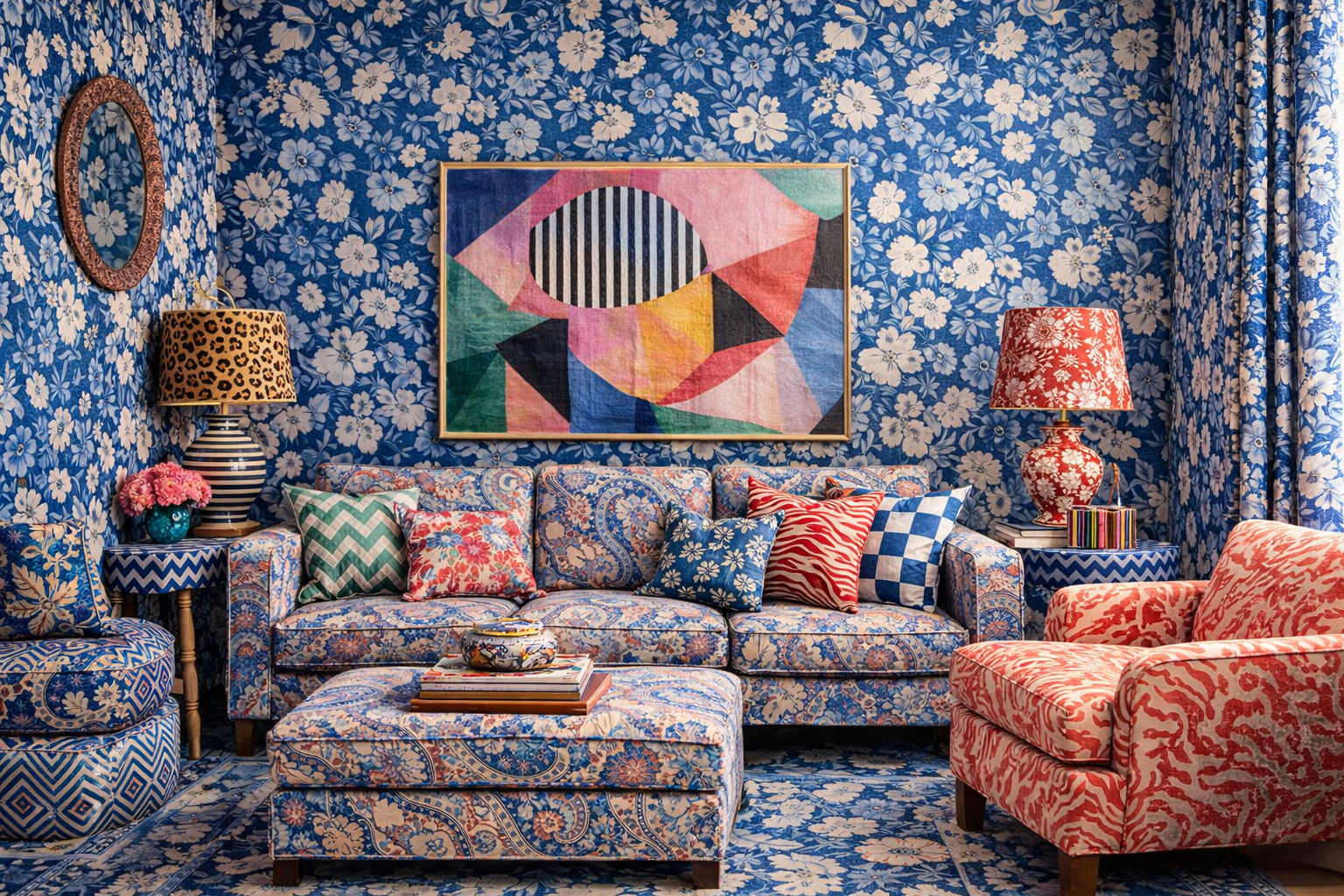
Pattern drenching is redefining maximalist interior design for 2026, delivering bold, layered visuals that reject bland minimalism. But what does it take to actually pull off pattern drenching at home without making your living room feel chaotic? This guide strips away the jargon and gives you a real, actionable blueprint.
Key Takeaways
- Pattern drenching maximizes impact by covering surfaces with various patterns, but requires strict rules to avoid visual overload.
- Varying scales and using grounding patterns are crucial for balance—experiment intentionally, not randomly.
- Common mistakes include mismatched motifs, clashing colors, and neglecting room context or proportions.
- What is Pattern Drenching and Why Is It Trending?
- How to Pattern Drench Your Living Room (Actionable Steps)
- Advanced Analysis & Common Pitfalls
- Conclusion
- FAQ: Pattern Drenching in Living Rooms
What is Pattern Drenching and Why Is It Trending?
Pattern drenching is the deliberate use of multiple prints and motifs on every surface of a room—walls, upholstery, rugs, and window treatments—creating an immersive maximalist effect. Unlike older maximalist styles, today’s pattern drenching relies on a carefully curated mix of scales and color coherence to avoid chaos. It echoes historic approaches (Baroque, 1990s, the Regency-core trend), but has exploded in relevance for homeowners bored of safe minimalism.
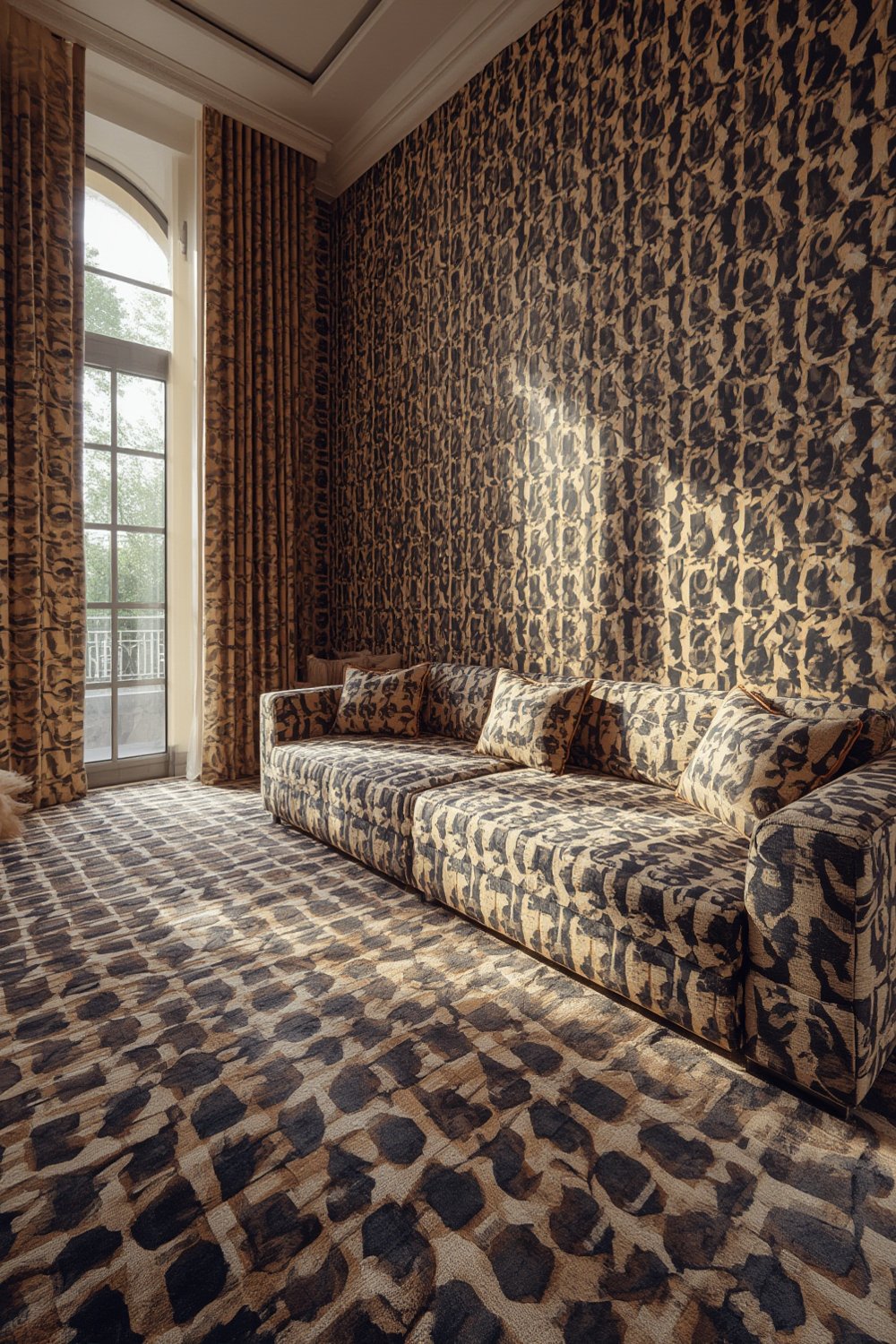
The trend is fueled by a cultural shift toward expressive personal spaces as seen in shows like Bridgerton and the rejection of sterile, empty rooms. It fits especially well in smaller spaces with simpler architecture, making every surface a design statement. According to House Beautiful, the movement is not just about randomness or “kitsch”—sophisticated pattern curation is what separates success from disaster.
How to Pattern Drench Your Living Room (Actionable Steps)
Pattern drenching takes intention. Follow these steps for a striking yet harmonious maximalist look:
- Start with a Grounding Pattern: Choose one large-scale motif or geometric for the floor or the bold rug or wallpaper. For example, a main wall with a defined repeat anchors the space.
- Layer Contrasting Scales: Mix different scales—pair large florals with small geometrics, or big foliage with fine stripes. Avoid using patterns of identical proportions everywhere.
- Stick to a Cohesive Color Palette: Select a tight color story (typically 3-4 hues). This keeps the energy high without visual confusion, even when using wildly different prints.
- Juxtapose Styles and Textures: Mix old and new (vintage damask with modern stripes), and use plush with flat finishes (think velvet pillows on crisp cotton chairs).
- Apply Patterns to Every Surface: Don’t chicken out halfway—extend patterns to furniture upholstery, drapes, and lampshades for full effect.
- Edit Ruthlessly: Step back often. If one area feels cluttered or off-balance, remove or swap out elements before adding more.
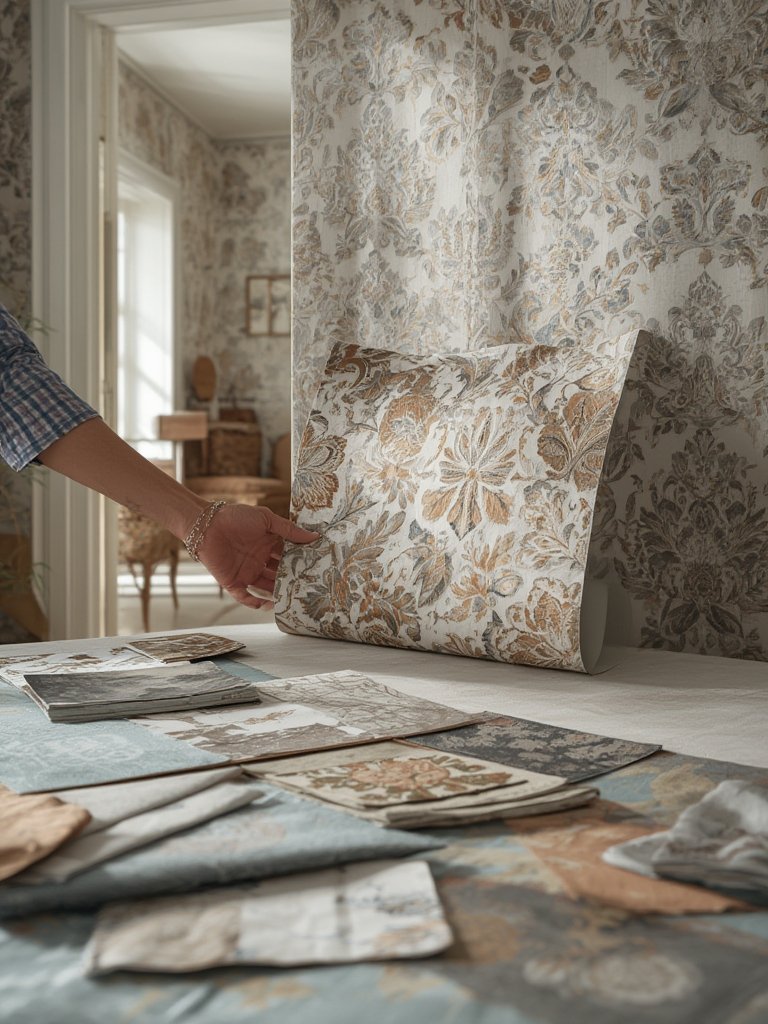
Want to maximize results? Use tactile layering—fluffy or woven throws over patterned sofas, sculpted candles like a female body candle as focal points—instead of just going for visual pattern. For floor care, a muddy mat that traps dirt can keep high-traffic maximalist spaces looking sharp.
Balance is everything. Following these steps, you’ll avoid the rookie mistake of letting every pattern “shout,” and instead achieve a truly layered, curated look. For more home organization strategies that enhance busy interiors, our Homeedit organization guide can help bring order to even the most visually active settings.
Advanced Analysis & Common Pitfalls
Pattern drenching is visually rewarding—but fraught with potential problems if you skip the fundamentals. Here’s what the research and design experts warn about:
- Visual Chaos: Using similar pattern scales or unrelated color combos overwhelms rather than energizes. Rooms can feel tense, not inviting.
- Lack of a Grounding Anchor: Without an intentional focal pattern (like a bold rug or geometric wallpaper), the result feels scattershot.
- Poor Room Choice: Heavily furnished or architecturally ornate rooms (arches, wainscoting) can turn “rich” into “cluttered.” The style works best in plainer boxes.
- Skimping on Texture: Using only flat prints creates a two-dimensional effect. Layering different tactile elements is as crucial as the print mix, per Tidbits & Twine.
- Ignoring Maintenance: Patterned textiles can show dirt less, but busy rooms require frequent cleaning. Use washable covers and consider aids like an absorbent floor mat for entryways, or a slip on shower hose attachment to deep-clean layered upholstery and rugs.
| Pattern Drenching Done Right | Pattern Drenching Gone Wrong |
|---|---|
| Mix of scales—large, medium, tiny motifs | Patterns all the same size or busyness |
| Consistent, limited color palette throughout | Random mix of hues or clashing undertones |
| Grounding feature, like a geometric floor | No dominant motif, lacks visual anchor |
| Layered tactile textures (e.g. wool, silk, velvet) | All prints on the same type of material |
| Frequent editing—stepping back, removing excess | Adding pattern to all surfaces without restraint |
According to New Home Source, pattern drenching delivers the best results when used strategically, not as a license to add clashing prints everywhere.
Conclusion
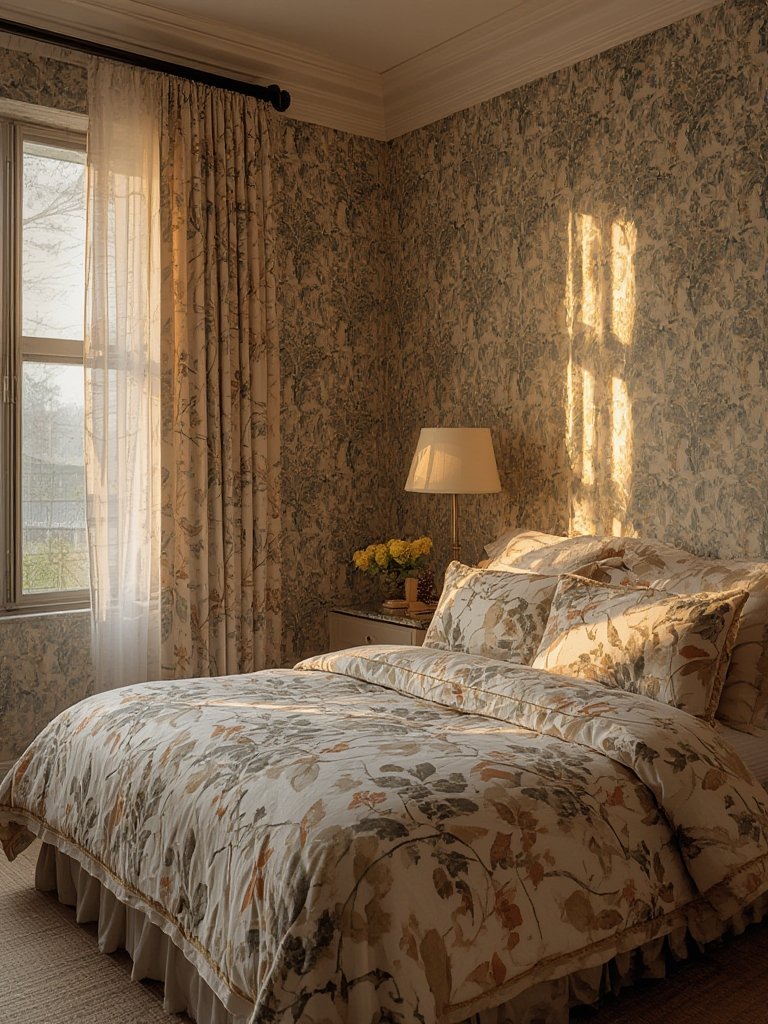
Pattern drenching is more than bravado—it’s the art of layering prints, textures, and motifs intentionally for an enveloping maximalist experience. The key is disciplined editing, strategic mixes, and practical solutions for maintenance. By following the expert-driven steps above, you can transform your living room into a showpiece that’s anything but dull. Ready to try pattern drenching? Start small, experiment boldly, and bring your vision to reality. For even more organization guidance to keep maximalist spaces functional, check out our home organization checklist or maximize comfort with a patio daybed for adjacent spaces.
FAQ: Pattern Drenching in Living Rooms
What is pattern drenching in interior design?
Pattern drenching means layering multiple prints, such as florals, geometrics, and foliage, across all major surfaces in a room—walls, furniture, textiles, and decor—for a maximalist, visually immersive effect.
How do I avoid my living room looking chaotic with pattern drenching?
Stick to a cohesive color scheme, vary pattern scales, and choose one feature pattern as an anchor. Edit often, and add neutrals or grounding elements if the room feels overwhelming.
Is pattern drenching expensive?
Costs vary widely. You can start with affordable textile swaps (cushions, throws, curtains) or invest in custom upholstery. There are no published benchmarks, but starting small makes experimentation less risky.
Can I use pattern drenching in small rooms?
Yes, pattern drenching often works best in smaller, plainer rooms with minimal built-in features. It transforms basic spaces into immersive, stylized environments without the room feeling overly busy.
Are there cleaning or maintenance issues with pattern-drenched spaces?
Patterned textiles help disguise dirt and stains, but you’ll need regular cleaning—especially in homes with pets or kids. Products like rinseroo shower hose attachments and washable muddy mats can help maintain cleanliness.
 Transform your home without draining your wallet