

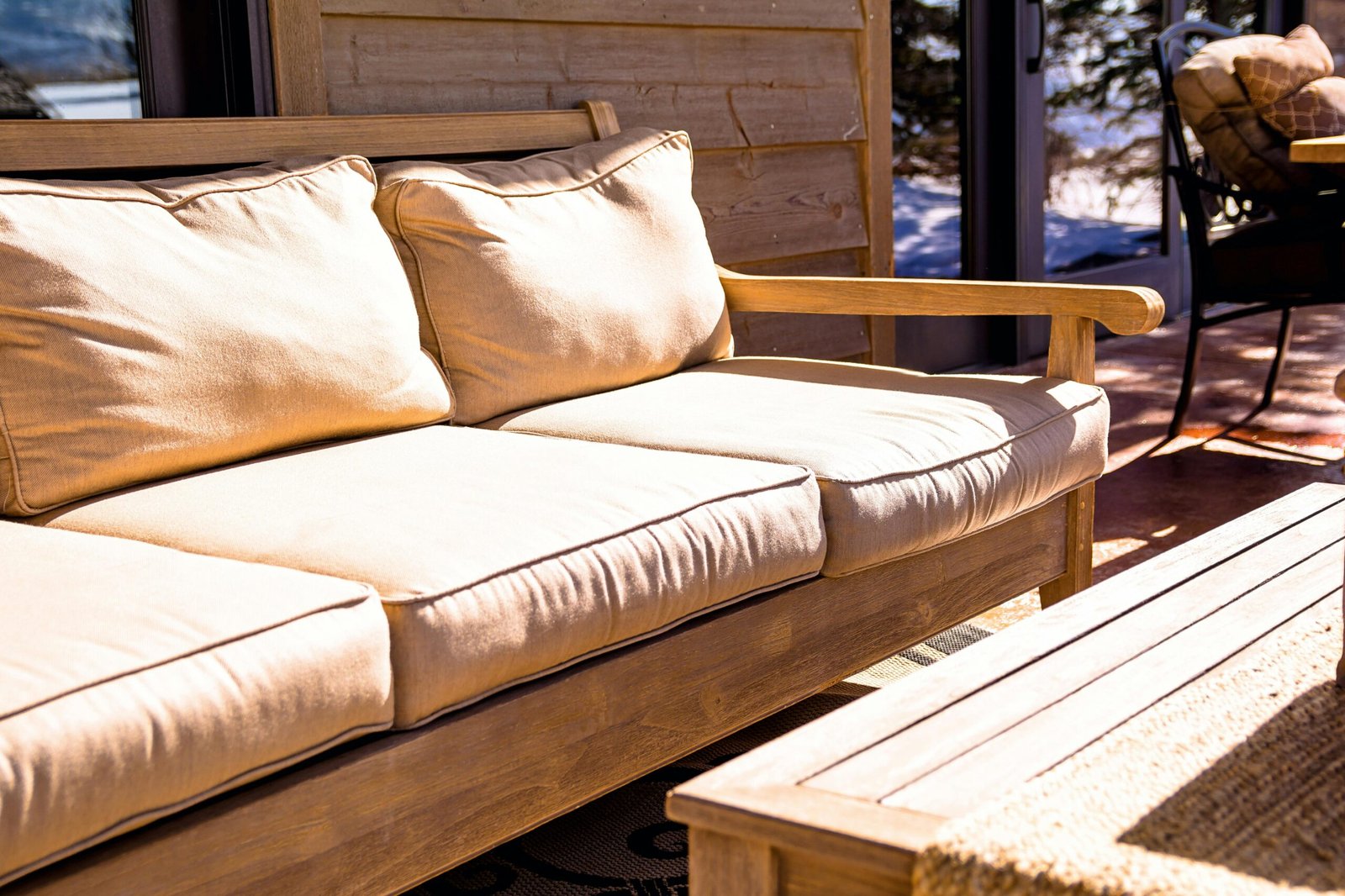
Outdoor daybed patio designs are transforming backyards, balconies, and terraces into practical relaxation spaces, blending luxury with smart, space-saving solutions.
Key Takeaways
- Modern outdoor daybed patio options emphasize modularity, smart features, and weather-resistant materials for maximum comfort and durability.
- Lack of transparency in pricing and technical specs means buyers must research carefully to avoid common pitfalls around comfort and longevity.
- Space constraints can be solved using modular or multifunctional designs, but cautious planning is required for smaller patios and balconies.
- What Makes an Outdoor Daybed Patio an Investment?
- Practical Steps for Maximizing Your Outdoor Daybed Patio
- Advanced Analysis & Common Pitfalls
- Conclusion
- FAQ
What Makes an Outdoor Daybed Patio an Investment?
The latest outdoor daybed patio models are more than oversized loungers—they serve as weatherproof retreats, social hubs, and flexible furniture for patios big or small. With the outdoor daybed market reaching over $3 billion in 2024 and projected to grow steadily, these pieces now feature modular designs, smart accessories, and sustainable materials, mirroring the rise of outdoor living and staycations. Source.
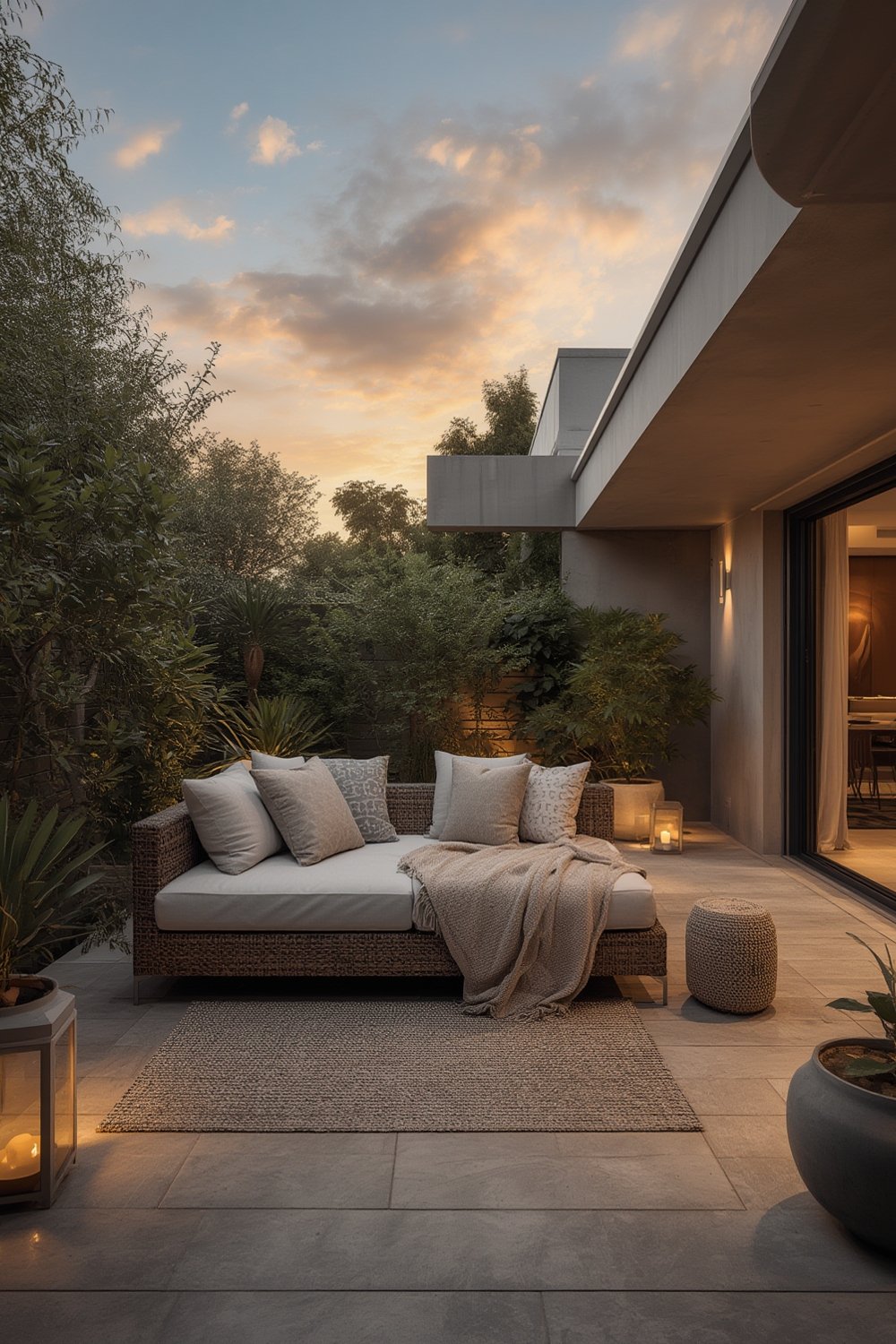
Tough climates demand true weatherproofing—think teak, marine-grade aluminum, or high-grade wicker with UV-resistant textiles. A quality outdoor daybed patio should not only endure sun, humidity, and rain but also offer comfort and practical space solutions. Though high-end brands like DEDON and Kettal set trends, even budget-friendly options now integrate features such as retractable canopies, built-in storage, and charging ports.
If you have a compact area, modern outdoor daybed patio models come with modular or split daybed functionality and space-saving tricks, letting you enjoy a resort-style setup even on small balconies. Still, realistic planning is crucial: without careful assessment of comfort, durability, and fit, disappointment is surprisingly common for first-time buyers.
The bottom line: an outdoor daybed patio can become the centerpiece of seasonal relaxation, provided you select materials, size, and upgrades with your actual space, climate, and habits in mind.
Practical Steps for Maximizing Your Outdoor Daybed Patio
- Measure Your Space First: Sketch your patio or balcony, noting door clearances and existing furniture. A modular or round outdoor daybed patio often suits awkward spaces and corners.
- Choose Materials for Durability: Prioritize marine-grade aluminum, teak, or high-density polyethylene wicker. Seek out Textilene or solution-dyed acrylic fabrics for UV and weather resistance. For humid or coastal climates, avoid untreated woods and cheap plastics.
- Look for Smart Features and Modularity: Modern daybeds may include retractable canopies, integrated lighting, storage areas, and even charging ports. For tight spots, opt for a split or sectional design you can rearrange seasonally.
- Test Before You Buy—If Possible: Comfort is deeply subjective. Visit a local showroom or at least request samples of cushion materials and colors to avoid surprises.
- Plan for Cleaning and Maintenance: Even top-end weatherproof models need regular cleaning. Equip your setup with slip-on covers and keep a rinsing hose handy—for example, see tips in Rinseroo: 7 Best Ways to Clean Faster (Proven Guide).
- Style for Both Comfort and Utility: Use neutral, crisp cushions and tight silhouettes to make small patios feel larger. Avoid bulky accessories. Consider complementing your setup with a muddy mat for dogs or a portable smart TV like those in the Cozyla kitchen guide for multi-zone relaxation.
- Check Brand Transparency on Specs and Warranty: Because some top brands do not publish UV or salt-spray test data, rely on buyer reviews and insist on written warranties to avoid regrets.
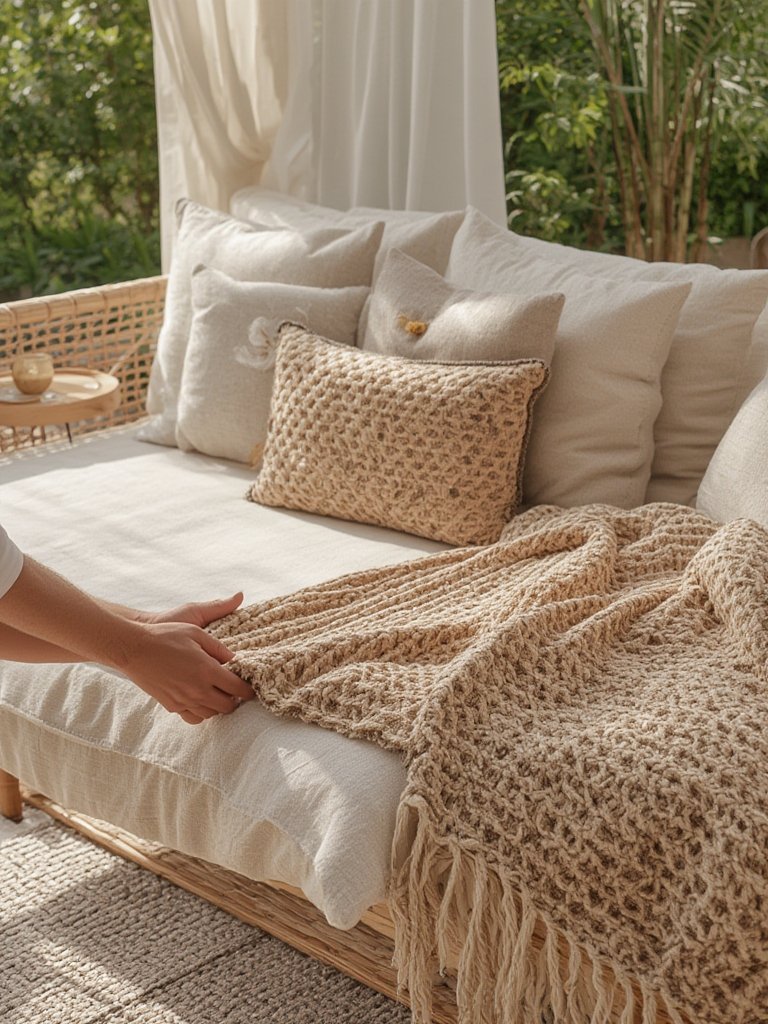
To enhance functionality, combine your outdoor daybed patio with smart home or garden tech such as an RTK robot mower for effortless lawn care, or use a smart irrigation controller to optimize adjacent landscaping. For busy families, pairing with an organizational calendar can help plan outdoor gatherings and maintenance.
Advanced Analysis & Common Pitfalls
Despite growing demand, many buyers encounter recurring frustrations with outdoor daybed patio investments. The main issues include:
- Vague product descriptions with no verified technical data on weatherproofing, especially for UV stability and salt spray resistance.
- Insufficient consumer review aggregation—most guides do not share actual failure rates or comfort-related complaints, making it hard to screen poor options.
- Ambiguous pricing by material, brand, and feature—even reputable manufacturers rarely list direct comparisons.
| Feature | Budget Models | Premium Models |
|---|---|---|
| Main Material | Powder-coated steel or basic rattan | Marine-grade aluminum, teak, HDPE wicker |
| Weatherproofing | Basic waterproofing, often no data | Advanced weatherproof ratings, but not always published |
| Canopy/Modularity | Fixed or none | Retractable/motorized canopy, modular sections |
| Integrated Features | Minimal | Lighting, sound, charging ports |
| Warranty | 6-12 months, vague terms | 1-3 years, clearer support |
| Transparency | Limited specs, few certifications | Should provide technical sheets, but not guaranteed |
Limited case studies and lack of data on actual user complaints (comfort, durability, sizing issues) worsen buyer risk. Leading sources like Accio and DataIntelo confirm rapid innovation but warn that smart upgrades—retractable canopies, built-in storage, weather sensors—remain unevenly available and rarely standardized.
For compact patios, poorly chosen designs edge out usable space or force awkward crowding. Always check customer images and measurements, not just manufacturer photos.

Product maintenance is another challenge. Even the best water-resistant materials can get grimy—be proactive with cleaning routines, referring to expert tips such as those in the Homeedit home organization guide to streamline your outdoor routine. For pet owners, add an effective pet hair remover glove to your cleaning kit.
Conclusion
The right outdoor daybed patio will become the anchor of your outdoor lifestyle, adapting to your available space and local climate. Prioritize modular designs, technical transparency, and trusted brands for proven comfort and durability. Don’t just trust glossy catalog images—dig deep on specs, inspect warranties, and read across multiple review sources to avoid disappointment.
Ready to transform your space with a quality outdoor daybed patio? Measure carefully, research relentlessly, and invest in features you’ll use all season. Act now—the best models sell out early each year.
FAQ
What materials are truly weatherproof for an outdoor daybed patio?
Look for marine-grade aluminum, teak, HDPE wicker, and UV-treated acrylic or Textilene fabrics. Avoid untreated wood and thin plastics which warp or fade quickly.
How do I fit an outdoor daybed patio in a small area?
Choose a modular or split daybed that can be rearranged. Favor minimalist frames and use vertical elements or canopy structures to maximize comfort without crowding.
Why don’t brands list more details on weather testing and durability?
Many premium and budget brands lack standardized industry certifications or simply do not publish these specs publicly. Request technical documents or shop with retailers who publish these details.
How can I keep my outdoor daybed patio clean and in good shape?
Use waterproof covers, brush away debris weekly, and rinse down with a hose attachment periodically. For faster results, see guides like Rinseroo: 7 Best Ways to Clean Faster (Proven Guide).
Do features like retractable canopies and built-in storage matter?
Yes, especially in climates with strong sun or rain or if you need to save space. Retractable options add flexibility, while storage is essential for cushions and small patio gear.
—
 Transform your home without draining your wallet