

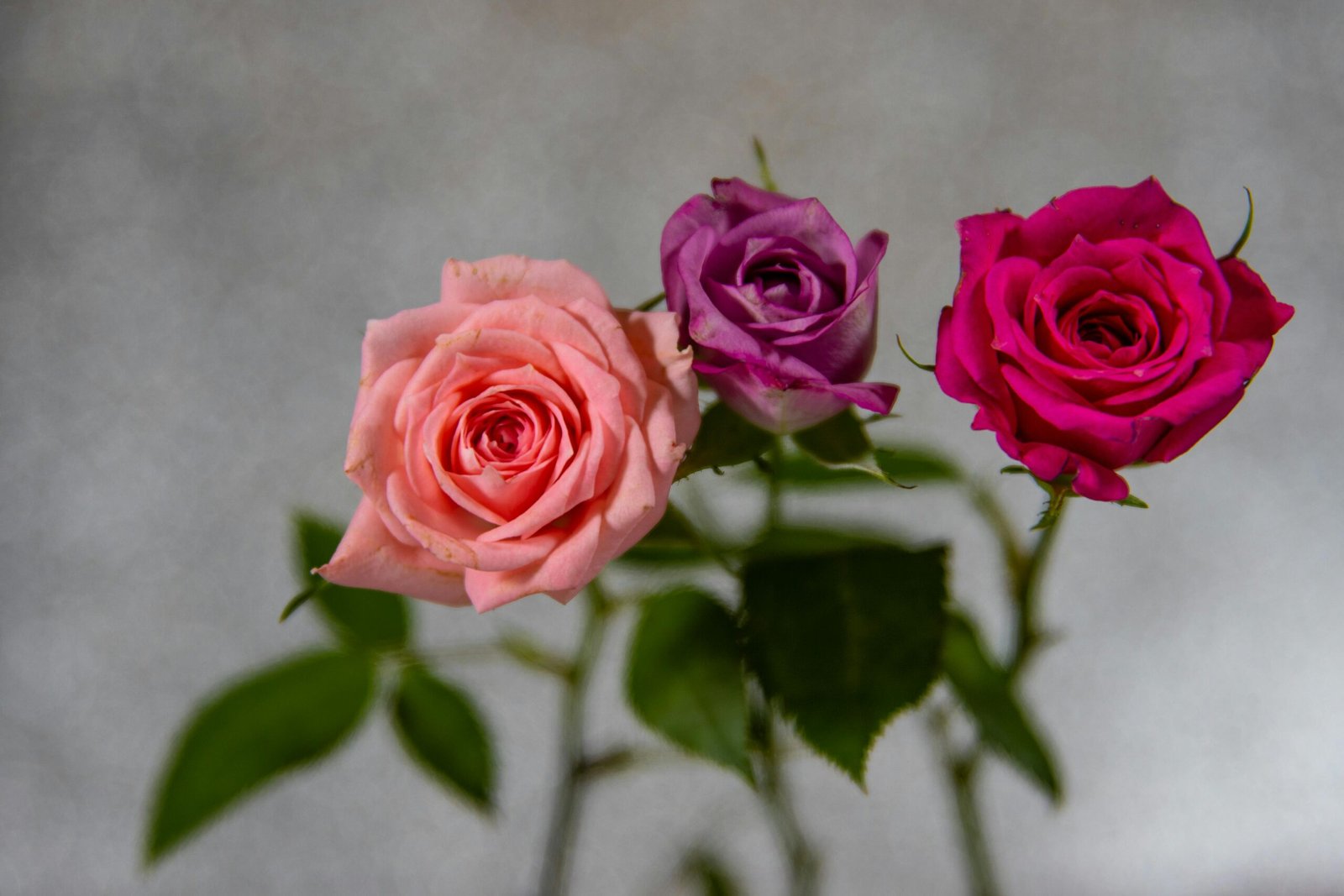
Drought-resistant roses offer stunning blooms and impressive survivability for dry climates, but choosing and growing them successfully is not as straightforward as most guides suggest. If you’re tired of thirsty roses that wilt under summer stress, keep reading—this no-fluff guide cuts through the hype and gives you real, actionable strategies for sustainable, beautiful rose gardens in water-scarce regions.
Key Takeaways
- Only a handful of rose varieties are genuinely drought-resistant; knowing which ones and why matters for long-term success.
- Soil preparation, companion planting, and precise watering transitions are critical—skipping these steps leads to stunted growth and more pest pressures.
- Many online promises about drought-resistant roses ignore the real risk of disease, low bloom count under stress, and transition failures.
- What Makes a Rose Drought-Resistant?
- How to Grow Drought-Resistant Roses: Step-by-Step
- Advanced Analysis & Common Pitfalls
- Conclusion
- FAQ
What Makes a Rose Drought-Resistant?
Drought-resistant roses aren’t just roses that survive with less water; they’re specific varieties that have developed physiological traits to thrive with minimal irrigation. The key factor is a deep, robust root system which taps into moisture far below the soil surface, making these roses more resilient when the weather turns extreme. If you’re in a drought-prone region or want a truly water-wise landscape, variety selection and careful site prep are essential.
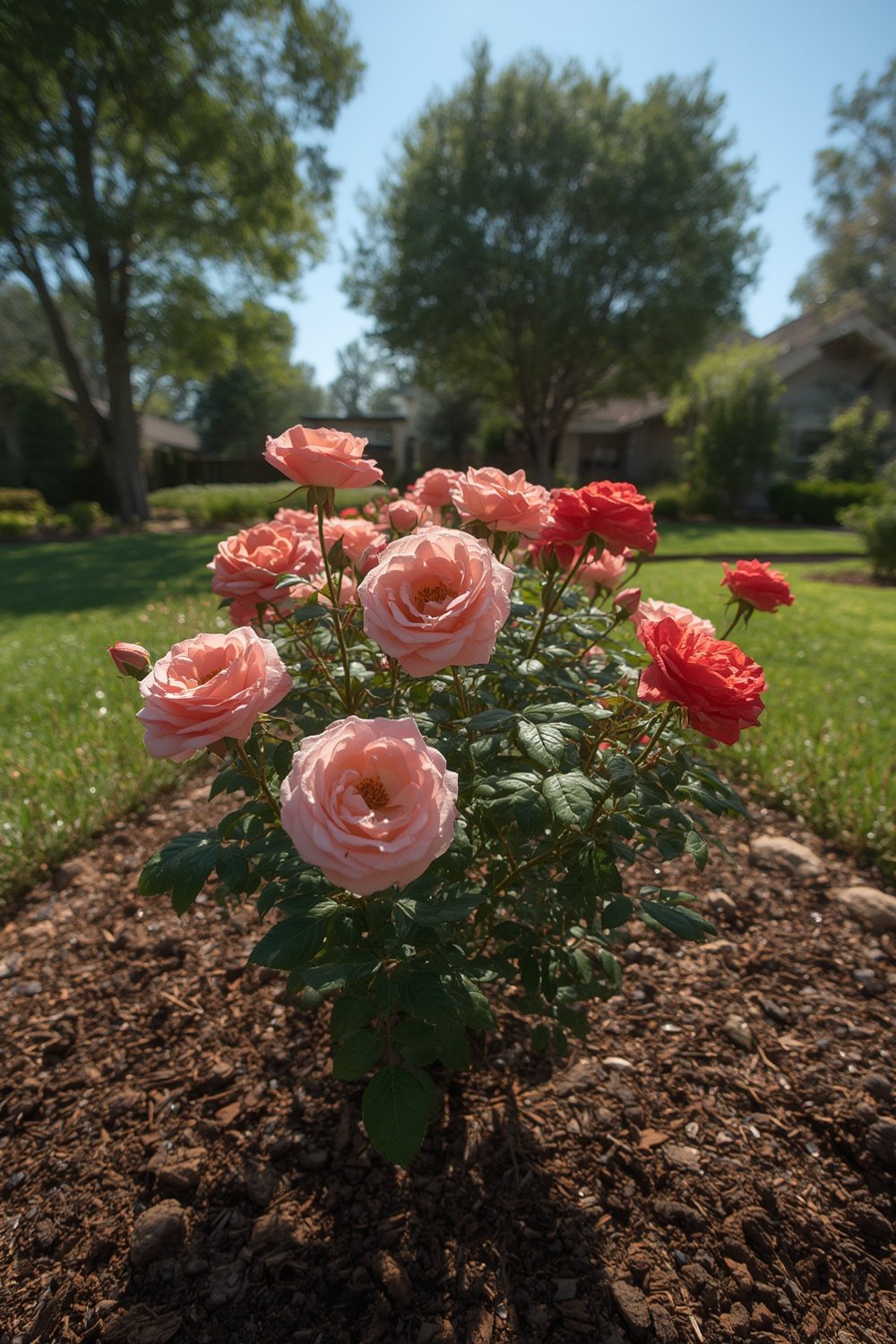
The best drought-resistant rose varieties, documented by Epic Gardening and Gardenia.net, include:
- ‘Arctic Blue’—gorgeous smoky lilac blooms, exceptional heat and drought tolerance (Zones 5-9).
- ‘Hansa’ (Rugosa)—rugged and hardy, magenta double flowers, strong root system (Zones 3-11).
- ‘Perle d’Or’—history of surviving no-spray and low-water gardens under intense heat (Zones 6-9).
- ‘Cramoisi Supérieur’ (China)—for hot, dry spots with little irrigation (Zones 7-10).
- ‘Pink Pavement’ (Rugosa)—dense, leathery foliage, fewer disease issues, left to withstand poor watering practices (Zones 3-10).
There is robust anecdotal evidence for these cultivars, but no head-to-head survival rate studies or measured water consumption data currently exists. Always verify with local experts and test small batches before planting larger numbers.
For the science on rose root systems and more details, see this guide.
How to Grow Drought-Resistant Roses: Step-by-Step
- Choose the right variety for your zone and soil.
- Stick to proven cultivars like ‘Arctic Blue’, ‘Hansa’, and ‘Pink Pavement’.
- Consult the USDA Hardiness Map—be cautious with “tough” knock-off varieties not proven in your region.
- Prepare your soil for deep rooting.
- Roses need loose, deep, and organic-rich soil (18-24 inches). If you have heavy clay or compacted ground, amend with compost and coarse sand.
- Consider fungal/mycorrhizal inoculants to help develop stronger root systems—this step is often skipped and leads to underwhelming survival.
- Establish strong roots before reducing water.
- For the first growing season, water newly planted drought-resistant roses deeply but infrequently: soak the soil to root depth, then let the top few inches dry before re-watering.
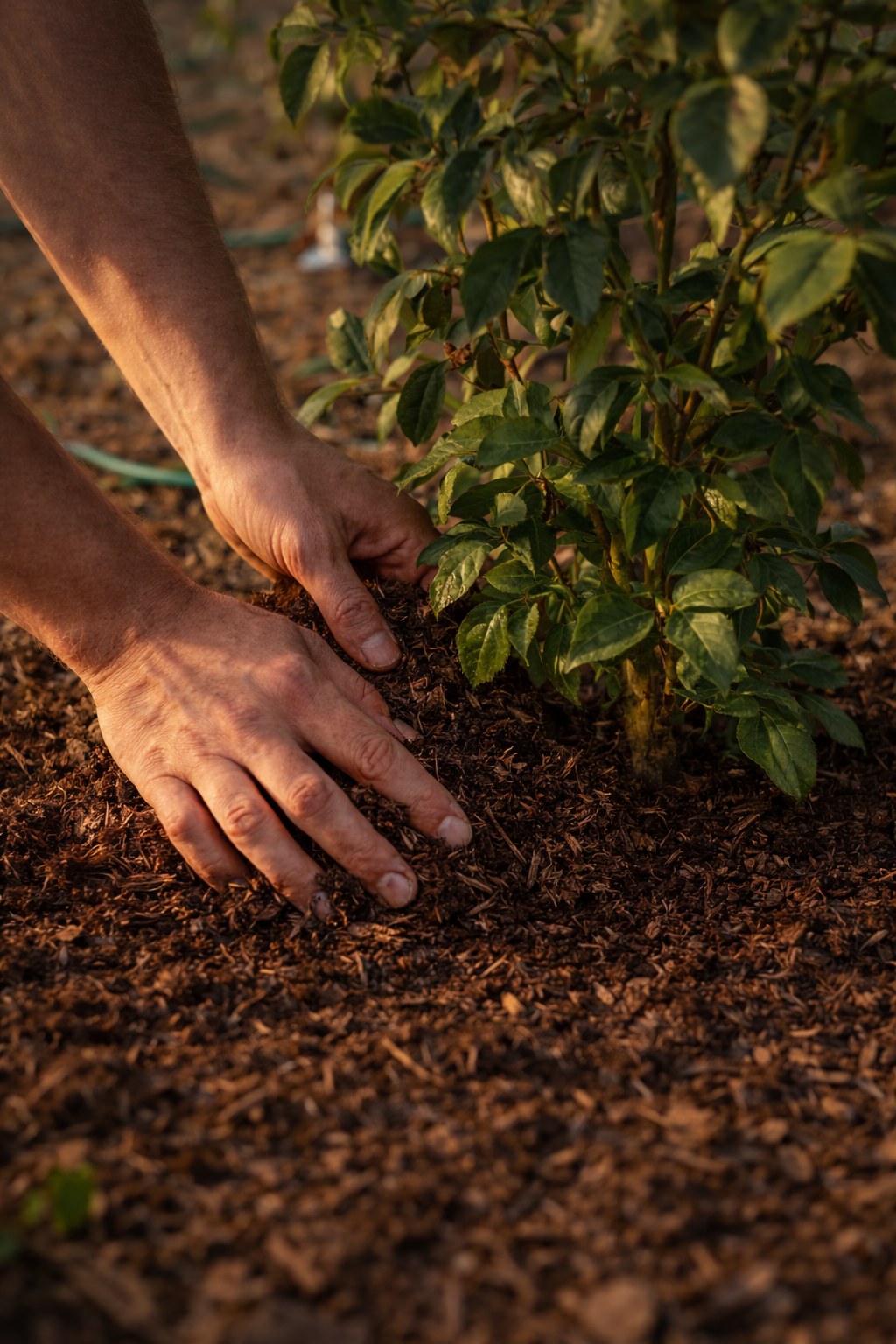
- Apply a 3-inch mulch layer to reduce evaporation and control weeds without suffocating the base.
- Transition to a drought regimen.
- After the first year, gradually increase the interval between waterings. Monitor leaf turgor (wilting is a warning signal, not a routine state).
- In established years, most varieties thrive on deep irrigation every 2-3 weeks, though this depends on soil depth, sun exposure, and rainfall.
- Leverage companion planting for pivotal pest and stress support.
- Integrate plants like Salvia, Lavender, Catmint, Russian Sage, Globe Thistle, and Creeping Thyme.
- These companions boost airflow, support pollinators, and repel major pests like aphids and Japanese beetles.
- Monitor for ongoing stress and adjust as your climate changes.
- Mulch needs to be renewed annually, and severe drought may require temporary supplemental water even for tough roses.
- Stay on top of disease and pest surveillance—drought stress can sometimes lower bloom count or trigger powdery mildew if airflow is poor.
For a holistic approach to water-wise gardening—including raised beds, edible gardens, and soil health practices—see our beginner gardening guide or explore wildflower alternatives in our micro meadow lawn guide.
If you’re dealing with muddy foot traffic around new plantings, introducing a muddy mat for dogs can help keep your floors clean when going back and forth from the garden.
Advanced Analysis & Common Pitfalls
Growing drought-resistant roses is not “set it and forget it.” Most failures result from skipping soil prep, overwatering during establishment, or neglecting pest/disease management that can sneak in when plants are stressed.
Common Pitfalls
- Planting in shallow, compacted, or poorly drained soil (roots won’t go deep—roses become as thirsty as ordinary varieties).
- Failing to mulch or using black plastic—plastic traps heat and repels water instead of retaining it below ground.
- Transitioning to drought conditions too soon; roses need one full season at minimum to establish.
- Not incorporating pest-repelling companions—this results in more aphids, powdery mildew, and Japanese beetle outbreaks as roses become heat-stressed.
- Ignoring local watering restrictions or overestimating the actual water savings without measuring your own usage.
Comparison of Popular Drought-Resistant Rose Varieties
| Variety | Type | Zone | Disease Resistance | Proven Performance Under Drought? |
|---|---|---|---|---|
| ‘Arctic Blue’ | Floribunda | 5-9 | Moderate | Yes (anecdotal) |
| ‘Hansa’ | Rugosa | 3-11 | High | Yes (rugged, established in studies) |
| ‘Pink Pavement’ | Rugosa | 3-10 | High | Yes |
| ‘Perle d’Or’ | Polyantha | 6-9 | Moderate | Yes (garden-tested) |
| ‘Cramoisi Supérieur’ | China | 7-10 | Unknown | Yes (especially in hot/dry urban gardens) |
Note: No published water-usage data or survival percentages for these (or traditional) rose types are currently available. Drought-resistance is based on gardener experience and regional trial reports, not rigorous peer-reviewed trials.
Pest & Disease Pressures
Even top drought-resistant roses like Rugosas can be outmatched by certain pests or catch mildew if airflow is poor. In contrast, modern lines like Knock Out® or Oso Easy® (see more) are bred for extreme disease resistance but aren’t necessarily as drought-proof. Combining the disease resistance of modern hybrids with the deep roots of Rugosas is an emerging goal, but until then, companion planting is your best insurance.
For truly water-wise gardens that also tackle wildfire and defensible space, read our guide to fire-safe landscaping.
Conclusion
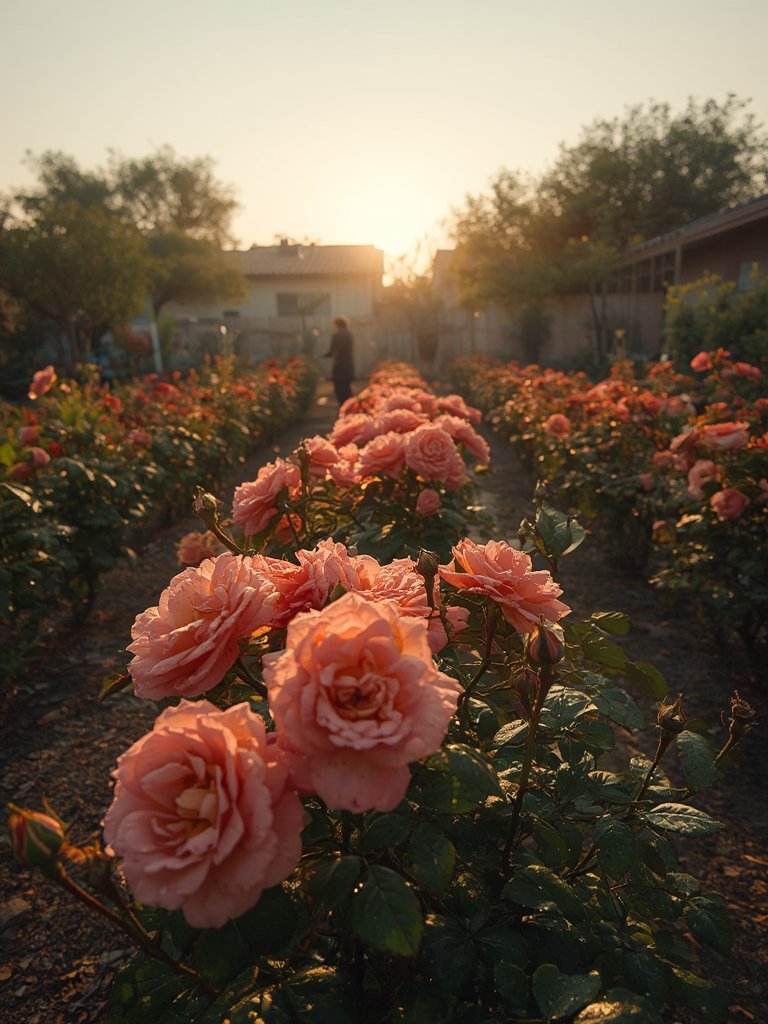
Drought-resistant roses can transform your garden, but only if you match the right variety to your climate, invest in deep soil prep, and actively manage establishment and pests. Without these steps, even the most tolerant rose will struggle. Experiment with different cultivars, monitor water use, and combine companion plants for the best real-world results. By following this guide, you’ll maximize both beauty and sustainability with drought-resistant roses—no more wasted effort or failed plants.
Want to learn more practical gardening shortcuts? Visit our complete gardening guide or browse our best home organization tips for the rest of your home. Ready to take action? Select a recommended drought-resistant rose and start transforming your landscape today.
FAQ
What is the most drought-resistant rose variety?
Rugosa roses, especially ‘Hansa’ and ‘Pink Pavement’, are considered among the most drought-resistant due to their deep root systems and tough foliage. Other strong options include ‘Arctic Blue’ and ‘Perle d’Or’.
Will drought-resistant roses survive in poor soil?
They survive better than standard roses, but poor soil limits even the toughest varieties. Deep loam amended with compost, sand, and fungal inoculants maximizes drought resistance and bloom production.
How much water do drought-resistant roses really save?
No precise data is available yet, but experienced growers suggest mature drought-tolerant types need 30%–60% less water than traditional roses after full establishment. Measure your before-and-after usage to gauge savings, especially if under restricted watering ordinances.
Can I combine drought-resistant and disease-resistant roses in one planting?
Absolutely, but few varieties combine both traits perfectly. Try mixing disease-resistant lines like Knock Out® or Drift® with proven drought-tolerant Rugosas, and reinforce the planting with companions such as Lavender or Russian Sage for extra pest and drought support.
Are there downsides to drought-resistant roses?
Possible downsides include less frequent blooming under prolonged drought, occasional susceptibility to mildew if airflow is poor, and variable performance depending on soil prep. Site and variety choice matter more than the label.
 Transform your home without draining your wallet