

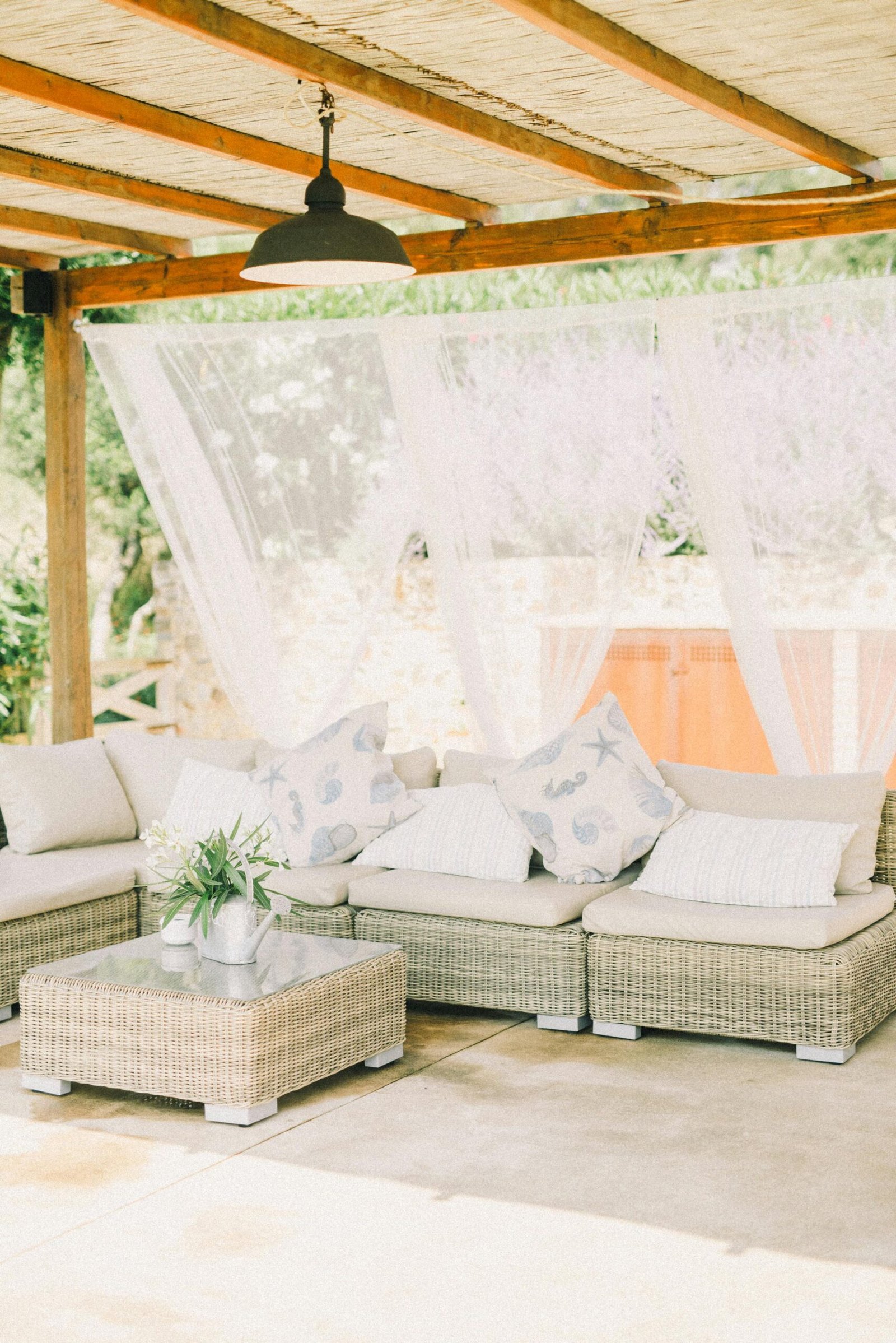
Sustainable outdoor furniture materials are changing how we furnish patios, decks, and gardens, making it possible to create comfortable outdoor spaces with a lighter environmental impact. Whether you’re refreshing your backyard or planning a new setup, understanding the best materials means longer-lasting furniture, less maintenance, and peace of mind about your eco footprint.
Key Takeaways
- Choosing certified and recycled materials for outdoor furniture dramatically reduces waste and conserves resources.
- Durability and low maintenance are hallmarks of leading sustainable furniture materials such as recycled HDPE and FSC-certified woods.
- Understanding sourcing, availability, and real-world performance prevents disappointment and helps maximize your investment.
- What Makes Outdoor Furniture Materials Sustainable?
- How to Choose and Maintain Sustainable Outdoor Furniture
- Pitfalls, Comparisons, and What to Avoid
- Final Thoughts
- FAQ
What Makes Outdoor Furniture Materials Sustainable?
Sustainable outdoor furniture is crafted from materials that minimize environmental impact throughout their life cycle: from responsible sourcing and manufacturing to durability and end-of-life recyclability. Three primary categories dominate the eco-friendly market:
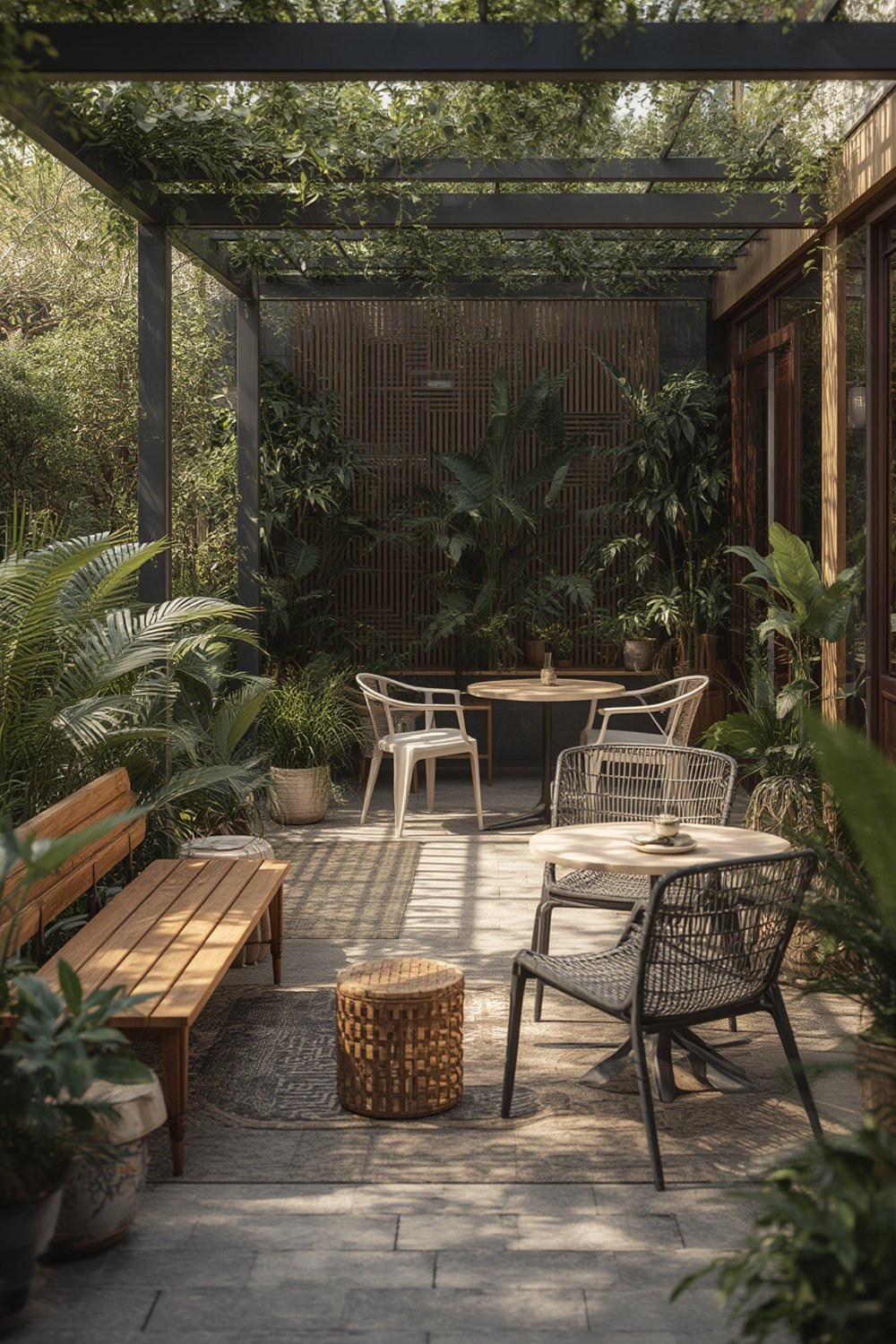
- FSC-certified wood: Sourced from managed forests, verified by the Forest Stewardship Council. Products such as engineered wood and kiln-dried hardwood support biodiversity and reduce deforestation (source).
- Recycled HDPE plastic furniture: Made from post-consumer items like milk jugs and detergent bottles. This material prevents landfill waste, resists moisture and rot, and is easily cleaned (source).
- Reclaimed wood: Salvaged from old structures or previous uses, reclaimed wood reduces demand for new timber and offers unique, weathered aesthetics (source).
These materials deliver practical benefits: lower maintenance, durability under harsh outdoor conditions, and often, a one-of-a-kind look. Choosing sustainably certified or recycled materials also signals your commitment to conservation and climate responsibility.
Internal brands like POLYWOOD have made recycled plastic outdoor furniture popular due to its longevity and true weather resistance. Meanwhile, FSC-certified products assure you of responsible forest management. However, true sustainability requires full transparency from sourcing to disposal.
Curious about keeping your outdoor living spaces mess-free? Check out Muddy Mat: 7 Best Ways to Keep Floors Clean for eco-minded home tips.
How to Choose and Maintain Sustainable Outdoor Furniture
Navigating the eco-friendly patio market requires more than just spotting a green label. Here’s how to confidently select and care for sustainable outdoor furniture that lasts.
- Research material certifications
- For wooden furniture, confirm FSC certification. This means the piece comes from responsibly managed forests with chain-of-custody records (source).
- For plastics, seek HDPE or similar high-density recycled content and verify the brand’s post-consumer sourcing policies.
- Fabrics should ideally be OEKO-TEX certified (safe from harmful chemicals), while foam should be CertiPUR-US rated (low VOCs, no heavy metals).
- Choose weather-resistant designs
- Recycled plastics like POLYWOOD resist moisture, rot, and sun—ideal for low maintenance.
- Powder-coated steel and modular constructions often extend the lifespan of your setup, helping avoid frequent replacements.
- Check durability specs
- Seek load ratings (e.g., 300 lbs for chairs) and visible reinforcements in joinery and fasteners. shape-retaining seat cushions improve long-term comfort (source).
- Consider maintenance commitments
- Recycled plastic and powder-coated metal need only soap and water. No painting or staining required.
- Reclaimed and FSC-certified woods may require annual oiling or waxing but generally avoid chemical finishes.
- Vet brands for sourcing transparency
- Ask about material sourcing, manufacturing location, and if possible, supply chain logistics.
- U.S.-based production, like POLYWOOD’s, usually means faster lead times and a lower carbon footprint (source).
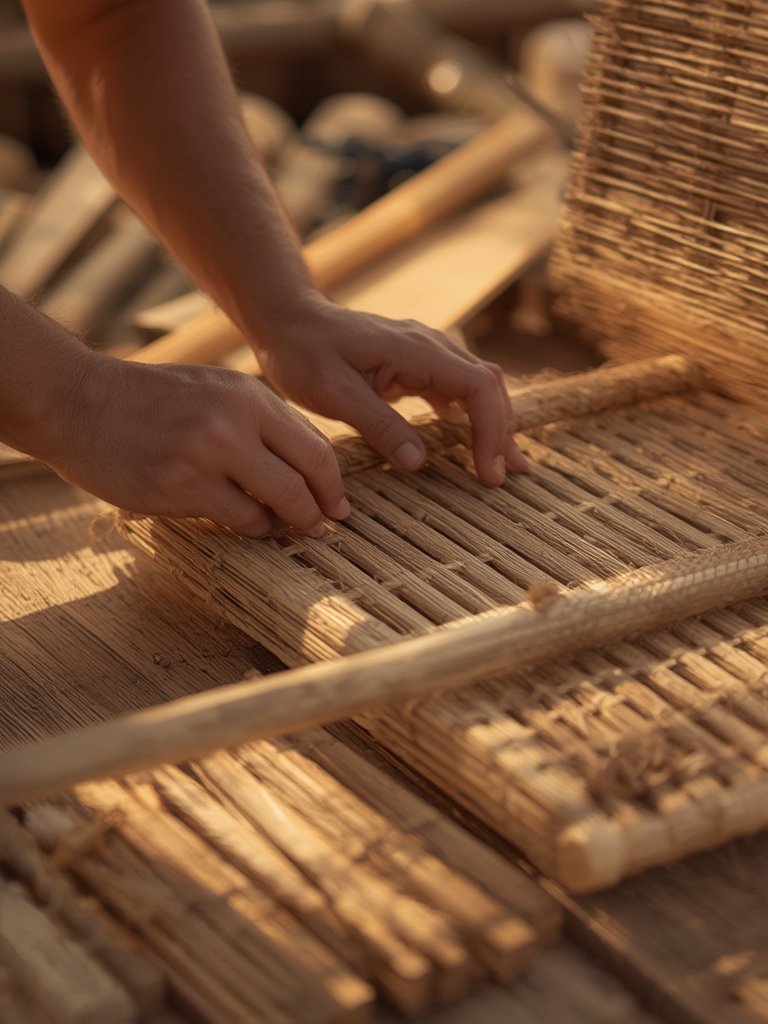
- Always confirm warranty coverage—reputable brands typically offer 10+ years for recycled plastics or certified woods.
- Tip: Use a Rinseroo shower hose (with or without a faucet adaptor) to easily rinse off outdoor furniture in place, ensuring a gentle clean that won’t strip finishes.
Remember: If you’re planning a modular outdoor sectional, explore Modular Outdoor Sectional: 7 Amazing Ways to Transform Your Patio for more configuration and care insights.
Pitfalls, Comparisons, and What to Avoid
Not all sustainable outdoor furniture is created—or priced—equally, and marketing can be misleading. Here’s how to avoid common mistakes and better understand the pros and cons.
| Material | Certification | Weather Resistance | Maintenance | Pros | Cons |
|---|---|---|---|---|---|
| FSC-certified wood | FSC, sometimes other (OEKO-TEX for fabrics) | Good, especially kiln-dried | Oil/wax annually | Long lifespan, sturdy, responsible sourcing | Higher up-front cost, limited “real” teak options in some regions |
| Recycled HDPE plastic | Brand-dependent (some 3rd-party tests) | Excellent: moisture, UV, insects | Soap and water | Low maintenance, resists weathering, long-lasting color | Can look “plastic” or feel less solid; quality varies |
| Reclaimed wood | No universal cert yet; traceability varies | Good if treated properly | Occasional oiling/sealant | Unique character, reduces new timber use | Possible supply issues, performance varies by sourcing |
- Pitfall: Assuming “FSC teak” is always available locally—it’s often limited or pricey regionally. Consider domestic woods or recycled alternatives where FSC teak is unavailable.
- Pitfall: Confusing marketing lingo (e.g., “responsibly sourced,” “green,” without certification details). Always request proof or third-party backing.
- Pitfall: Ignoring supply chain or lead times. U.S.-built goods like POLYWOOD may offer faster delivery, but specialty reclaimed wood items could face weeks-long wait times or out-of-stock issues—especially during peak season.
- Pitfall: Expecting “forever” durability—while ratings are promising, few brands guarantee decades. Protect large investments with covers or regular inspection.
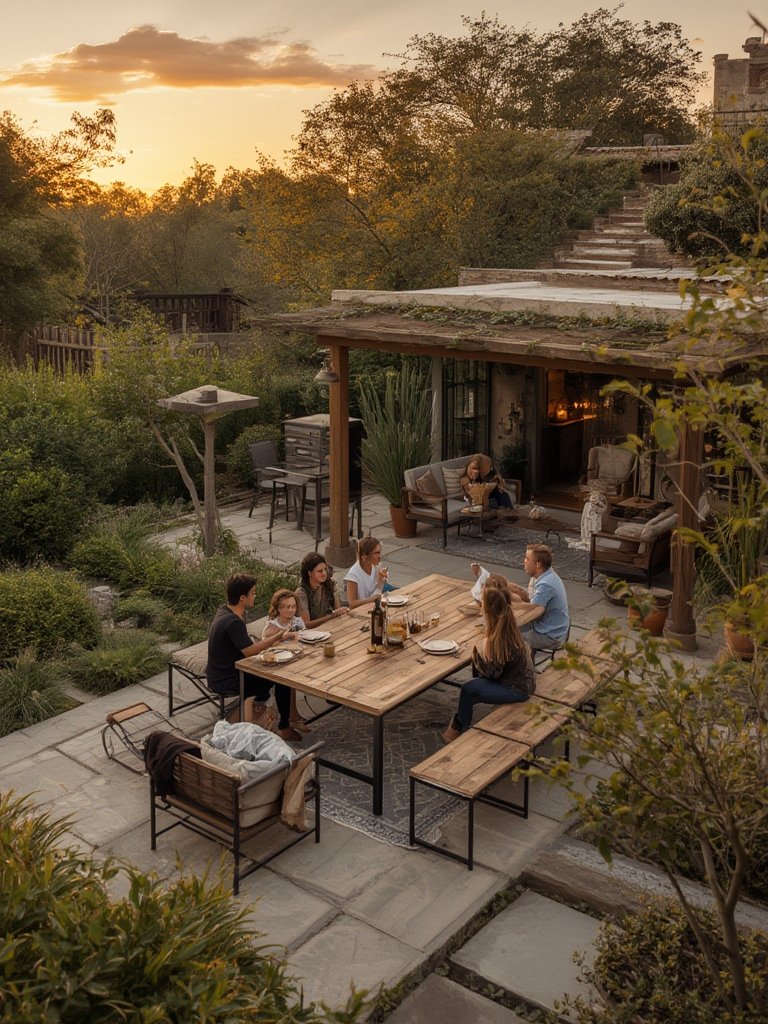
For more on maximizing comfort without sacrificing sustainability, see Outdoor Daybed Patio: 7 Amazing Ways to Maximize Comfort.
Looking for more creative tips on outdoor living and space-saving ideas? Don’t miss Small Space Patio Furniture Set: 7 Amazing Ways to Maximize Space.
Final Thoughts
The market for sustainable outdoor furniture materials is growing quickly, with real benefits for your home’s resilience and the planet’s health. Prioritize certifications, demand full sourcing transparency, and invest in weather-resistant options that balance comfort, style, and sustainability. You’ll enjoy years of outdoor living and inspire guests with your greener choices.
Ready to overhaul your patio or garden? Start with a focus on long-term value and eco responsibility. For more inspiration on how to layout and organize, check out Homeedit: 7 Amazing Ways to Organize Your Home.
FAQ
Are recycled plastic outdoor furniture pieces truly maintenance-free?
Recycled HDPE plastic furniture, like POLYWOOD, requires very little maintenance. Occasional washing with soap and water is usually all that’s needed. They don’t need repainting or sealing, even after years outdoors (source).
Do FSC-certified woods cost significantly more than non-certified options?
FSC-certified products often cost more due to compliance and supply chain documentation, but as of 2024, no industry-wide price average is reported in reliable sources. Shop carefully and compare value based on warranty and expected lifespan, not just price.
How can I tell if reclaimed wood furniture is really sustainable?
Look for transparency—ask the seller about the wood’s origins and manufacturing processes. Not all reclaimed wood comes with documentation, but reputable brands will share sourcing stories and, when possible, verifiable supply chain details.
What outdoor elements do sustainable patio materials best resist?
Recycled HDPE plastics resist moisture, rot, fading, splintering, UV, and insects. FSC wood is durable if sealed or kiln-dried, but can require annual oiling. Reclaimed wood performance varies by treatment and exposure.
What’s the best way to clean sustainable patio furniture?
Use a mild soap solution and a soft brush or cloth. Avoid harsh chemicals. For deep cleaning, consider handy tools like a Rinseroo slip-on shower hose or similar gentle rinsing attachments.
 Transform your home without draining your wallet