
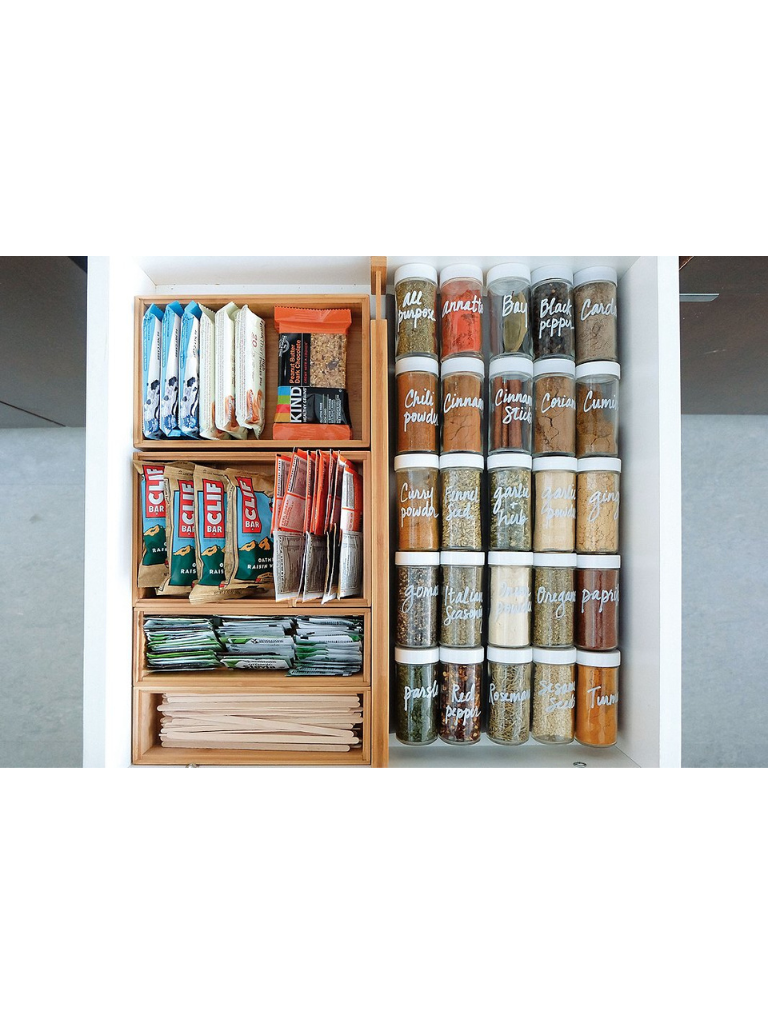
homeedit is more than just a social media trend—it’s a practical approach to organizing, styling, and maintaining real homes. With clutter and daily chaos on the rise, homeedit-inspired methods promise a way to bring order, calm, and efficiency to every corner—from kitchen pantries to bedroom closets—no matter your budget or space constraints.
Key Takeaways
- Bedroom closets dominate the US storage market, with over 39% market share in 2024—DIY and homeedit approaches are especially popular in these spaces.
- Labor shortages, rising material costs, and supply-chain disruptions pose realistic challenges for organizing projects, especially larger or customized solutions.
- Many “organization checklists” miss crucial steps like maintenance routines, adapting for small spaces, and transparent cost comparisons.
The Core Concept
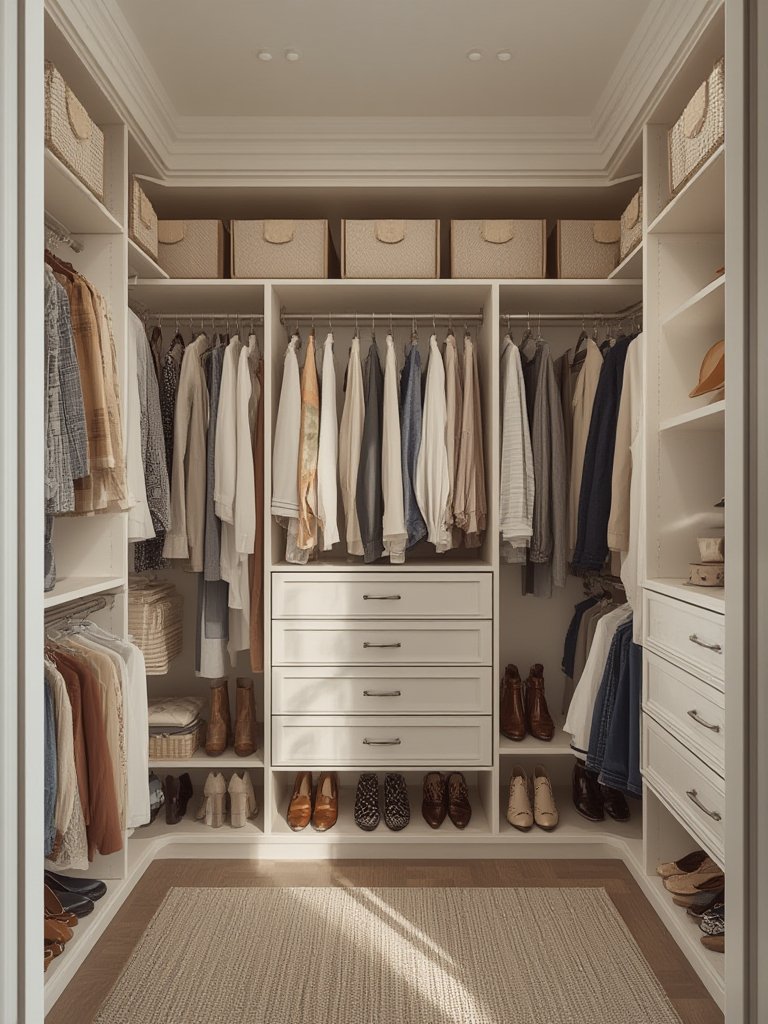
At the heart of any homeedit project lies one goal: creating a functional, visually pleasing, and easy-to-maintain space. The idea is to categorize items, use uniform bins and clear labels, and style each zone so it both inspires and sustains tidiness. While homeedit methods exploded via Netflix and Instagram, over 55% of American homeowners in 2023 reported working on DIY organization projects—often inspired by these strategies and aided by digital tutorials or product ratings.
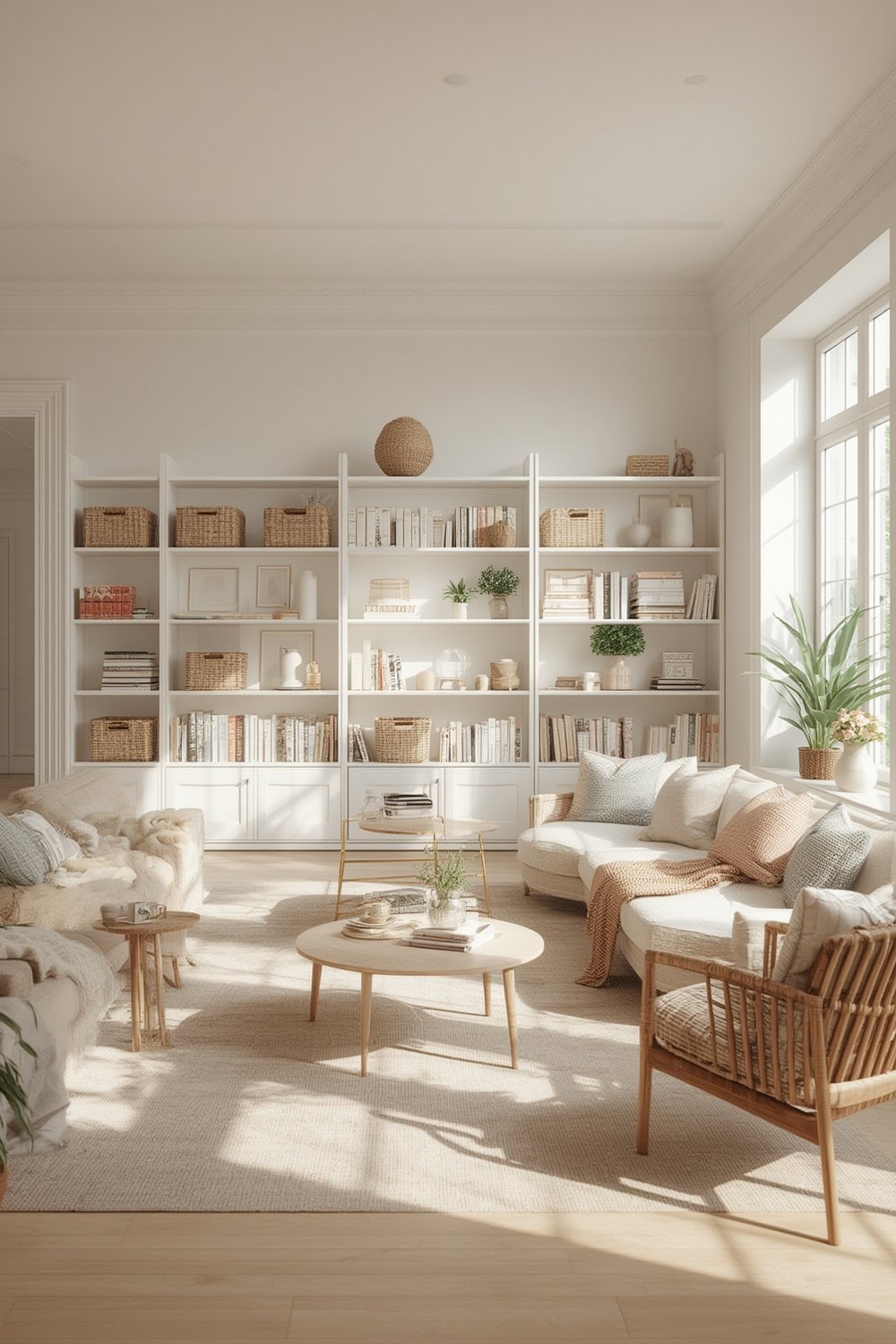
Bedroom closets now lead US organizational spending, representing over 39% of market share, while home office solutions continue to grow as more people work remotely (source).
Step-by-Step Guide
1. Assess and Empty
Choose one area: pantry, closet, bath, or entry. Remove every item. This is your chance to see expired, unused, or duplicate items clearly—don’t skip this step, no matter how overwhelming the pile looks.
2. Sort by Frequency and Category
Group similar items, but also sort by how often you use them. Pantry snacks up front, rarely used specialty appliances further back. For closets, seasonal items can rotate to less accessible shelves.
3. Containerize and Label
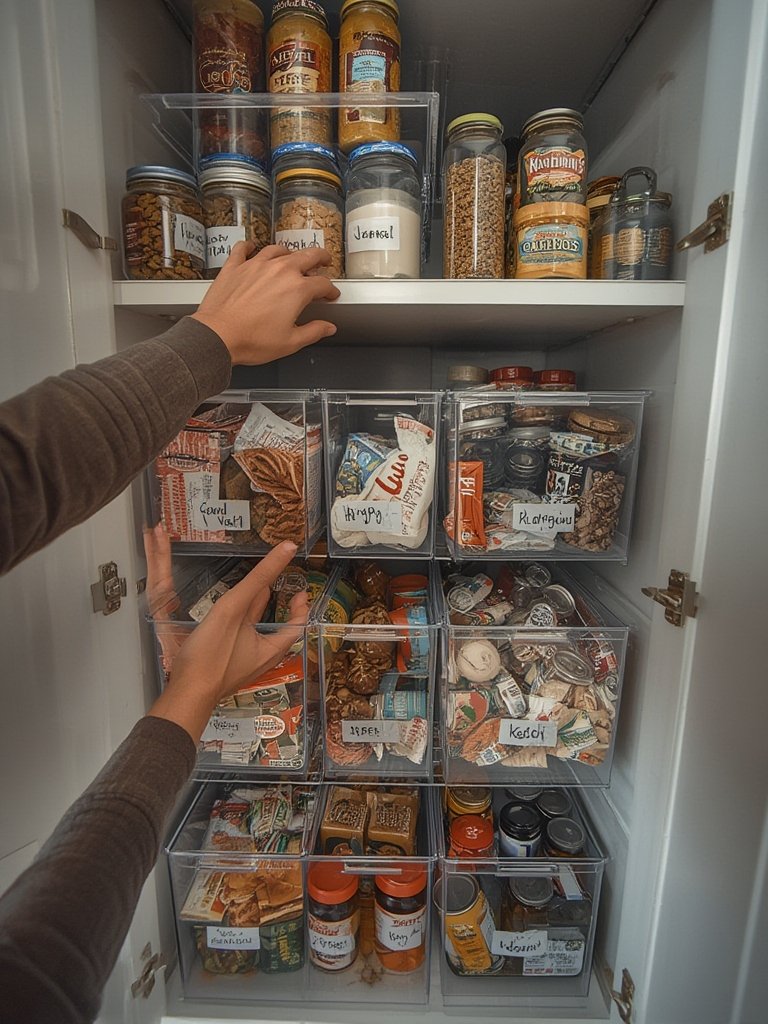
Use bins, baskets, and clear boxes that make the most of your vertical space, especially in small apartments or tight closets. stackable or modular bins help in micro-apartments, which are booming in cities like Seattle (market analysis).
Labels are nonnegotiable. Invest a little in printed or wipeable labels—you’ll save hours in searching and avoid duplicate purchases. Basic bin and label setups range from $25 to over $200, depending on your space and quality of materials. While big-box stores dominate, Amazon’s own line of stackable organizers, launched in 2025, has proven popular for value and versatility (source).
4. Style & Maintain
Don’t just focus on the big reveal—ease of upkeep is key. Establish a quick weekly reset (10 minutes in your closet, 5 in the pantry) to return items to their labeled places. This is a crucial area missing from most “organization checklists”: explicit plans for keeping things tidy.
Integrate Technology for Efficiency
More people are turning to AR tools for planning, online next-day delivery for containers, and even smart calendars for keeping family life on track. Digital aids like the Skylight Calendar can help coordinate household schedules and reduce overlap or forgotten tasks.
Helpful Resources while Organizing
- If you combine organizing with renovation, learn how to increase your home value with the right projects.
- For essential equipment, check out the top homeowner tools every DIYer needs.
- Small-space dweller? Discover space-saving furniture ideas that pair perfectly with a homeedit overhaul.
Advanced Analysis & Common Pitfalls
What Homeowners Really Struggle With
- Supply Delays & Labor Shortages: Widespread disruptions, especially in 2024, caused installation backlogs and made certain homeedit-inspired solutions less accessible (source).
- Material Cost Increases: Houzz data shows 90% of professionals expect material costs to keep rising through 2026—a serious consideration for custom closets or built-ins.
- Missing Maintenance Routines: Many trending guides overlook establishing a routine for keeping spaces organized, leading to “relapse clutter” after a few weeks.
- Product Selection Confusion: With thousands of containers, bins, and gadgets, it’s hard to know which actually provide long-term value.
- No Cost Transparency: Many guides fail to offer real price ranges for a complete project—here’s a practical snapshot:
| Solution Type | Upfront Cost (Typical) | Pros | Cons |
|---|---|---|---|
| DIY Clear Bins & Labels | $25 – $200 | Instant improvement, flexible, budget friendly | Bins may not fit every shelf, labels can peel over time |
| Custom Built-Ins | $700 – $2,500+ | Perfect fit, maximizes small spaces, increases home value | Time intensive, supply/labor delays, costly |
| Stackable Vertical Solutions | $30 – $120 | Ideal for apartments, modular, easy to move | Can be unstable if overloaded |
Realistic Problems & How to Avoid Them
- If you live in a region with frequent supply disruptions, stick to widely available containers or online sources with guaranteed delivery.
- Keep a basic toolkit on hand (see top tools) if your project involves installing shelves or hardware.
- Micro-apartments or tiny homes? Prioritize vertical stacking and closed storage to minimize visual clutter. You may also want to extend homeedit principles outdoors for patio or balcony gear.
Conclusion
Taming household chaos with a homeedit approach is possible for nearly every space and budget—if you plan honestly for maintenance, costs, and potential delays. Focus on smart sorting, durable labeling, and realistic expectations. For bigger value, combine your organizing efforts with other impactful home improvement projects to truly elevate your living environment. Start small, and remember: the homeedit method works best when you revisit and reset often. Ready to bring calm and control to your home? Start your organizing project today.
FAQ
What is homeedit and how is it different from regular organizing?
homeedit is a method that combines sorting, containerizing, and styling every organizational zone. Unlike basic decluttering, homeedit uses uniform bins, clear labels, and a zone-by-zone approach for a visually cohesive and easy-to-maintain space.
How much does it cost to do a homeedit-style pantry?
For a basic pantry, expect to spend $25-$200 on containers, bins, and labels, though costs vary depending on size and quality of materials. Custom built-ins or extensive solutions will cost more.
Can homeedit principles work for small apartments or tiny homes?
Yes. Choose vertical storage solutions, modular bins, and closed containers to cut down on visual clutter. Adapt each step to your space and lifestyle. For tips, see space-saving furniture ideas.
How do I keep a homeedit project organized long term?
Schedule a weekly 10-minute reset. Return each item to its labeled bin and adjust as your needs shift. Dedicated routines are crucial for lasting results.
Does home organization really save time?
Americans reportedly spend nearly 17 hours a year searching for lost items, according to a 2024 survey. Streamlined organization helps reduce this wasted time dramatically.
 Transform your home without draining your wallet
[…] be more costly upfront but may reduce long-term maintenance, especially for those already seeking best storage solutions for small spaces and durable outdoor […]
[…] Consider the path you need to stand up, walk, or open doors while the set is in use. Check our best storage solutions for small spaces for more layout optimization […]
[…] ongoing organization, take storage cues from our home organization checklist—keeping cushions, covers, and accessories neat guarantees your investment lasts years […]