

Indoor hydroponic garden system setups let anyone grow fresh vegetables and herbs right on a kitchen counter—all year, no matter the weather. With the right model, you can skip messy soil, use up to 90% less water, and automate most of the hard work. But not all systems are created equal, and some common pitfalls can catch new users off guard. Here’s how to choose, use, and troubleshoot the best indoor hydroponic garden system for your needs in 2026.
Key Takeaways
- Smart indoor hydroponic garden systems can automate lighting and watering, making year-round growing easy.
- Common drawbacks include upfront costs, ongoing monitoring, and reliability quirks—with few models offering long-term durability data.
- No proven lab-tested yield differences exist between vertical towers and countertop systems; choose based on budget and space.
- What Is an Indoor Hydroponic Garden System and Why Should You Care?
- How to Set Up and Use an Indoor Hydroponic Garden System (Step-by-Step)
- Advanced Analysis: Common Problems and Comparisons
- Conclusion
- FAQ
What Is an Indoor Hydroponic Garden System and Why Should You Care?
An indoor hydroponic garden system is a self-contained kit that lets you grow herbs, leafy greens, or even small fruiting crops indoors—using water and nutrients instead of soil. Most kits today feature built-in LED grow lights, water pumps, and smart automation to deliver nutrients and just the right sky-mimicking light cycle. Some connect to your phone over Wi-Fi for reminders or settings tweaks, while entry-level models keep things simple and cheap.
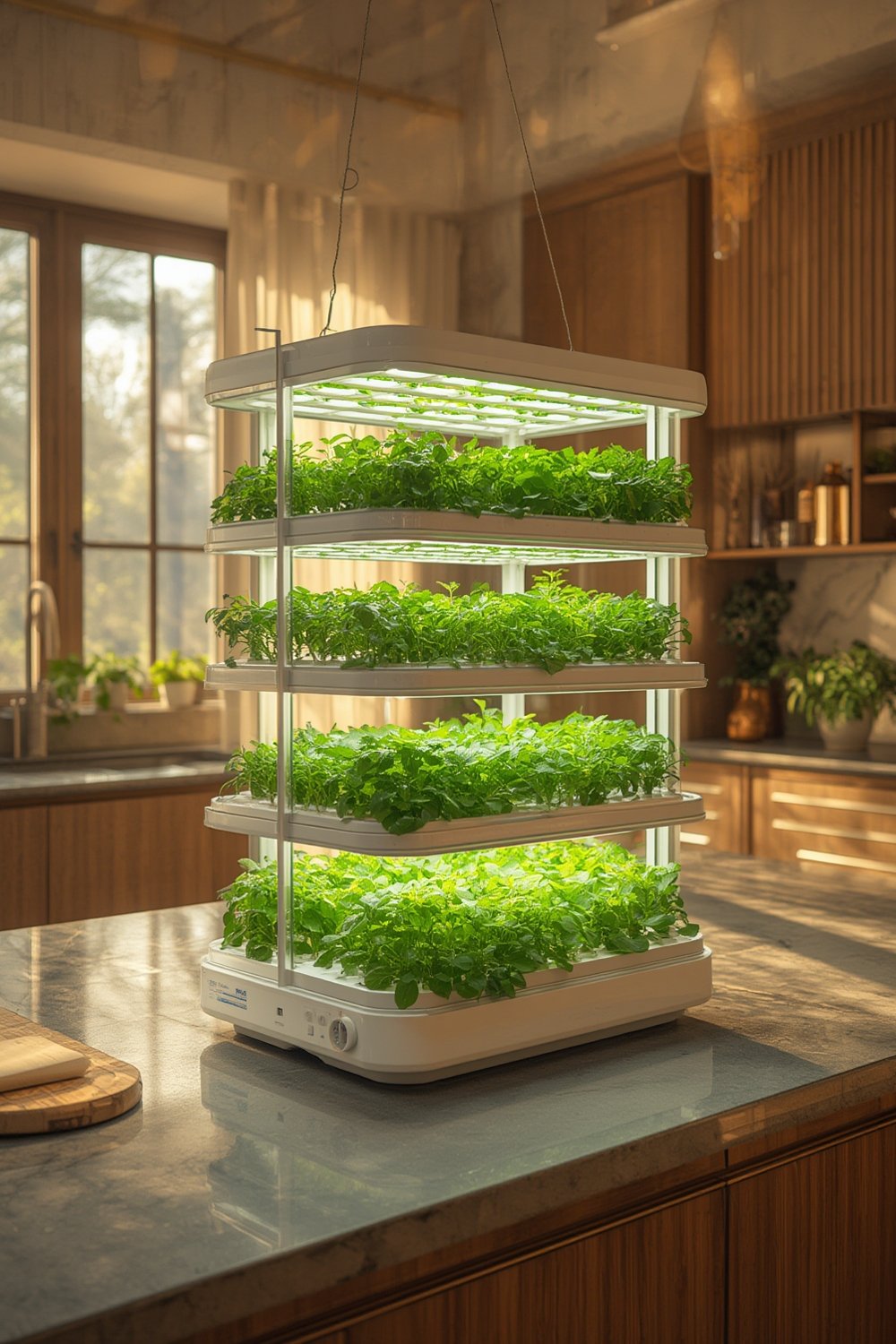
The appeal? No dirt, little mess, steady yield, consistent taste, and a fraction of the water traditional gardening needs. Systems like the Spider Farmer SmartG12, AeroGarden lineup, and Click & Grow let you (almost) set and forget, with reminders for water-low alerts and nutrients. They’re space-efficient, fit on a shelf, and help avoid grocery spoilage when you can snip mint or lettuce as needed.
For a broader gardening starter guide, check out tips on starting a vegetable garden, or see how these systems fit smaller homes in our organization checklist.
How to Set Up and Use an Indoor Hydroponic Garden System (Step-by-Step)
- Choose the right model for your goals and space.– Want higher yields and smart features? The Spider Farmer SmartG12 (12 pods, 36W LED, Wi-Fi/app automation) is top-rated.
– For herbs in tight spaces, Click & Grow Smart Garden 3 or AeroGarden Harvest Elite excel.
– Budget shoppers might explore Ahopegarden’s basic kit.
– Need a vertical system? Note space savings but expect similar yields per plant pod. - Unbox and assemble the kit.Follow manufacturer directions to assemble the reservoir, plant deck (pods), and attach the grow light. Most models take 10-20 minutes.
- Add water and nutrientsAdd water and nutrients, then insert seed pods.Fill the water tank to the recommended level (e.g., SmartG12 holds 6L). Add the included hydroponic nutrients, then pop in the pre-seeded pods.
- Set the light cycle.For smart models, use app controls (e.g., set 16 hours on, 8 off for greens). Simpler units let you set timers manually. Vacation or seedling modes can be activated if needed.
- Monitor growth and maintain.Even automated systems need manual checks: refill water, top up nutrients, and look for pump clogs or algae. Most units will alert you via app or indicator lights if anything needs attention.
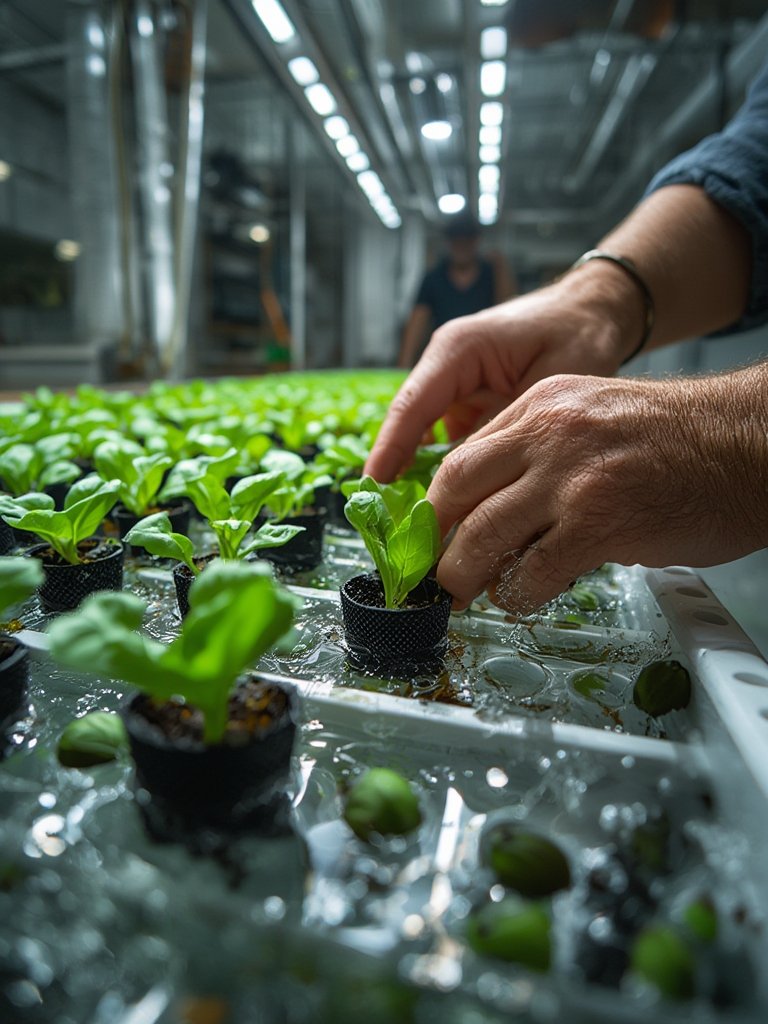
Finally, harvest or prune regularly—removing old leaves and spent plants keeps your system cleaner and encourages new growth. If you want even more storage and growing space in a small kitchen, combine this setup with clever home organization strategies or use a bathtub rinser attachment for hassle-free system cleaning.
Advanced Analysis: Common Problems and Comparisons
While the promise of a “plug and play” hydroponic garden is real, not every experience matches the marketing. Here’s what recent user testimonials and product data reveal:
- Maintenance and Monitoring: Most negatives reported revolve around having to regularly top up water and nutrients, monitor pH, and occasionally deep clean. For truly set-and-forget gardening, even top models require 5-10 minutes of weekly attention.
- Upfront and Ongoing Costs: Advanced units (Wi-Fi/app) like Spider Farmer SmartG12 typically run $120+. Parts like lights, pumps, and pod refills add recurring costs (though energy-efficient LEDs keep power bills low). Budget kits have fewer features and require more manual care.
- Yield and Space Trade-Offs: No head-to-head yield tests exist comparing vertical tower systems to countertop models. User reviews suggest similar plant performance; towers save more space, countertop systems are easier to clean and fit in more homes.
- Reliability and Durability: Long-term satisfaction data is missing for most brands. Spider Farmer’s reviews are strong for Wi-Fi reliability and easy cleaning, but vertical tower durability remains unknown. Watch for pump failures or LED dimming after heavy use (some users note replacing parts yearly).
- Market Stats Gap: There’s a lack of specific adoption, spending, and market growth numbers for 2024-2026, but evidence points to growing popularity in water-scarce and urban regions due to higher efficiency and less mess.
For even more advanced home automation or smart garden tech, explore smart watering tools in our AI garden tech guide, or get step-by-step advice for maximizing tabletop tomato plants yields in compact indoor spaces.
| System | Reservoir Size | Plant Capacity | Light Wattage | Automation Features | Approx. Cost |
|---|---|---|---|---|---|
| Spider Farmer SmartG12 | 6L | 12 pods | 36W LED | Wi-Fi, app control, 12 modes, vacation mode | $120 |
| AeroGarden Bounty Elite | – (Large) | – | LED (wattage not specified) | Vacation mode | $150+ |
| Click & Grow Smart Garden 3 | – (Small, compact) | – | LED | Self-watering | $70+ |
| Ahopegarden Hydroponic System | – | – | LED | Manual | Budget |
Vertical systems still appeal for their expandability. But countertop models like Spider Farmer and AeroGarden dominate for ease of use and reliable yields. There’s no clear “winner”—it depends on your space, budget, and if you value app-driven automation.
Conclusion
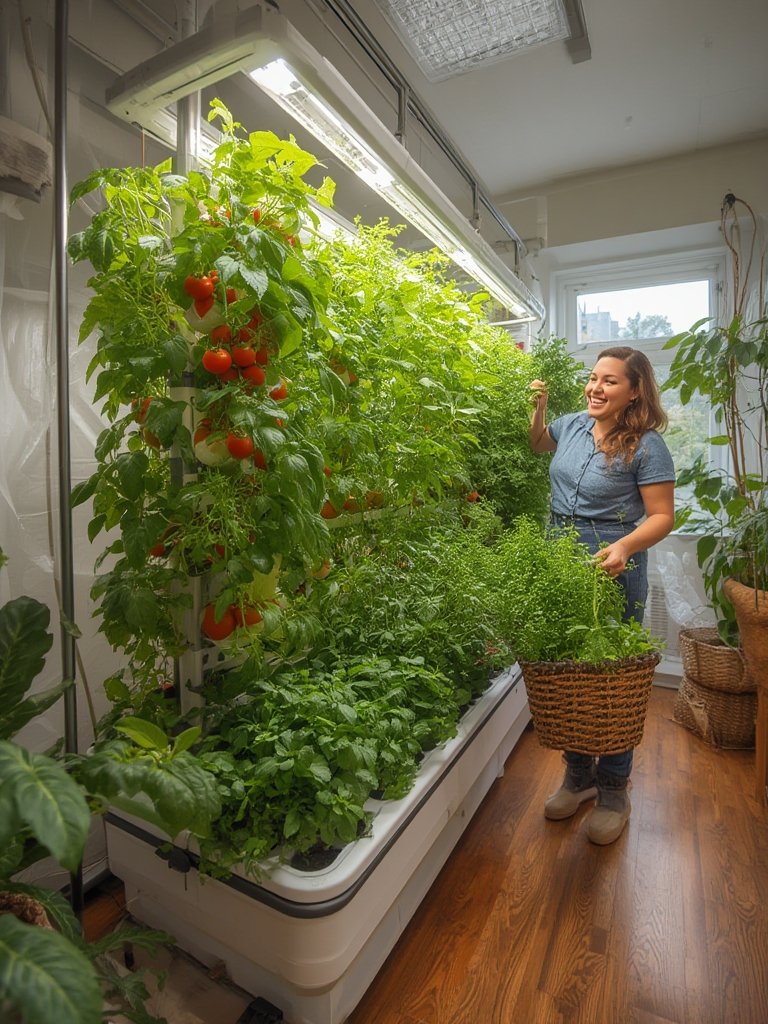
Smart, compact, and efficient—an indoor hydroponic garden system can put homegrown greens and herbs at your fingertips all year. Their upfront cost pays itself back in freshness and time saved. While no design is perfect, the leading models balance automation and flexibility. If you want even more expert gardening results, pair your system with the Sproutl gardening guide or explore drought-resistant indoor plants for extra resilience. Ready to start your journey with an indoor hydroponic garden system? Compare models and set up your first crop today.
FAQ
How often do I need to refill water in an indoor hydroponic garden system?
Most systems need water added every 1 to 2 weeks, depending on plant maturity, temperature, and reservoir size. Systems with Wi-Fi or indicator lights will let you know when they’re low.
Are indoor hydroponic garden systems really maintenance-free?
No—they’re “low-maintenance,” not maintenance-free. You’ll need to clean the reservoir every 4-6 weeks and check for algae, salt buildup, or pump issues. Regularly adding nutrients is also required.
Are vertical hydroponic towers better than countertop systems for yield?
There’s no lab-tested yield or quality difference proven between the two. Towers excel in vertical space-saving and scalability, but countertop systems are easier to maintain in most homes.
What are the real ongoing costs after buying a system?
You’ll spend on nutrient solutions (every harvest), replacement pods, and on rare occasion, parts like pumps or LEDs. Electricity costs are modest thanks to efficient LEDs but add up if you run multiple systems or large lights year-round.
What’s the biggest mistake beginners make with these systems?
The most common mistake is letting the reservoir run dry or skipping cleaning—leading to plant stress and algae growth. Set calendar reminders and check your system at least once a week.
 Transform your home without draining your wallet