

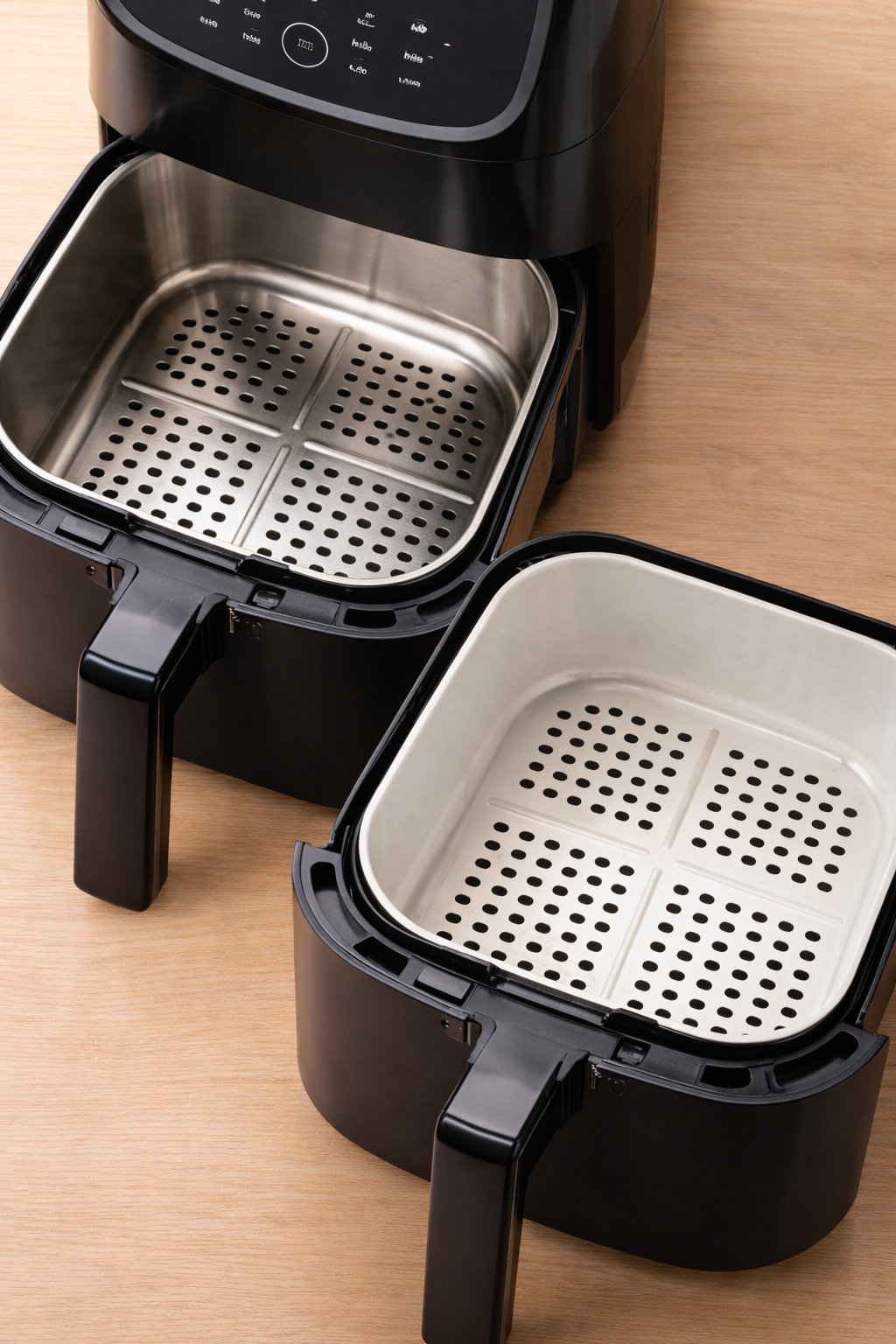
Non toxic air fryer choices are gaining traction among health-conscious cooks who want the convenience of crispy meals without worrying about harmful chemicals like PTFE, PFOA, and hidden toxins in their food-contact surfaces. If you want real evidence-backed answers—not marketing jargon—on safer air fryer materials, coatings, and what to avoid, this guide gets straight to the facts.
Key Takeaways
- Many “non toxic” air fryers claim to be PTFE or PFOA free, but lab tests reveal some still leach PFAS at normal cooking temperatures.
- Ceramic and stainless steel coatings, while generally safer, aren’t perfect and can chip or hide undisclosed chemicals without proper certification.
- No air fryer is 100% non toxic—always look for third-party tested, well-documented materials, and be wary of marketing claims.
- What Makes an Air Fryer Non Toxic (And Why It Matters)
- How to Choose and Use a Non Toxic Air Fryer: Step-by-Step
- Advanced Analysis: Real-World Pitfalls & Problems With “Non Toxic” Air Fryers
- Conclusion
- Frequently Asked Questions
What Makes an Air Fryer Non Toxic (And Why It Matters)
Air fryers are marketed as a healthy alternative to deep frying, but the reality is that the basket’s materials often hide chemical risks. Common nonstick coatings like PTFE (Teflon) and PFOA were designed for slick surfaces, but scientific studies now show these chemicals can off-gas or leach during every use—even if labeled “PFOA free” or “safe.”
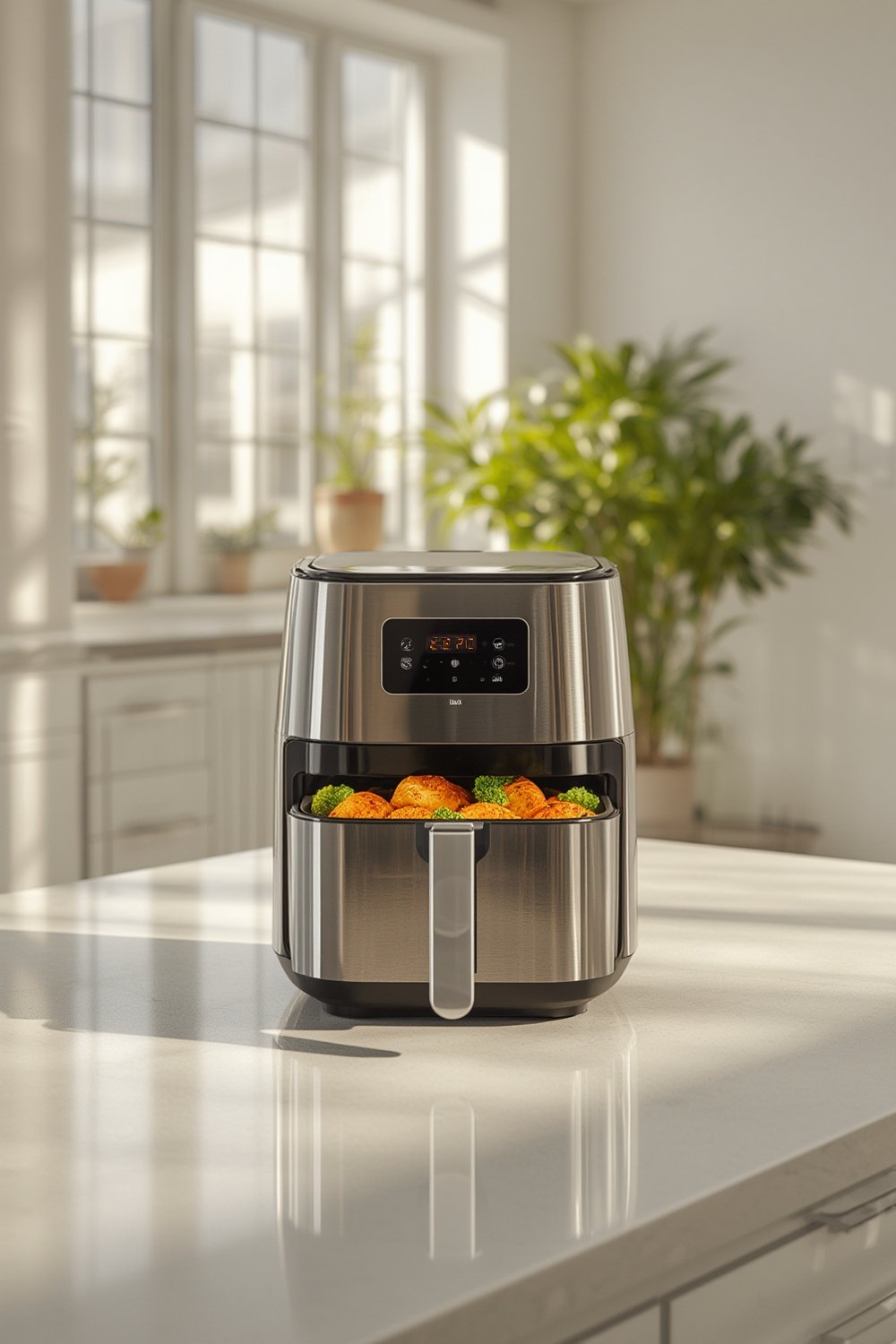
PTFE (polytetrafluoroethylene), the classic nonstick, starts breaking down at 260°C (500°F) and releases fumes that can affect both humans and pets. Those fumes have been linked to flu-like symptoms, lung damage, fertility issues, and even potential carcinogenic effects with long-term exposure [Healthline]. PFOA, a related PFAS chemical long banned in production, can still be detected at measurable levels (up to 703 ppb) in so-called “PFOA-free” pans because of residual contamination or degradation [Consumer Reports].
Ceramic-coated baskets and stainless-steel interiors sidestep these toxic coatings on food-contact parts, with lab tests finding no detectable PFAS in reputable ceramics like Red Copper or Always Pan. But nothing is truly risk free: dubious ceramic coatings may chip, lack certification, or harbor unknown chemicals [Leafscore]. Stainless steel avoids most known toxins for surfaces but may still have phthalates in non-food elements like handles or cords.
Understanding what “non toxic” actually means—and why no product is perfect—is essential if you genuinely want safer air-fried meals. Want to boost your home’s overall safety? Check our related guide on how to improve indoor air quality for a more holistic approach.
How to Choose and Use a Non Toxic Air Fryer: Step-by-Step
Making the switch to a non toxic air fryer involves more than picking a box labeled “PTFE free.” Follow these steps to realistically reduce your risk—and avoid the hype.
- Read Beyond Buzzwords: Ignore vague “non toxic” or “BPA free” labels. Scrutinize the fine print—look for PTFE, PFOA, and PFAS explicitly listed as “absent” from all food-contact surfaces.
- Prioritize Known Safest Surfaces: Glass, food-grade stainless steel, and fully ceramic-coated baskets (verified PFAS free in independent tests) are top choices. Be skeptical of generic “ceramic” claims without certifications.
- Check for Hidden Risks: Non-food-contact parts like cords, handles, and exteriors may use phthalate-containing plastics. These generally pose less risk but may still off-gas (Homes & Gardens).
- Assess Basket Condition: Any sign of chipping, cracking, or flaking (in ceramic or nonstick) is a red flag. Stop use and replace the basket—exposed substrates may introduce new risks.
- Careful Cleaning: Use soft sponges—never metal or harsh abrasives. Avoid high-temp “burn off” cycles, which accelerate aging and increase off-gassing from any coating.
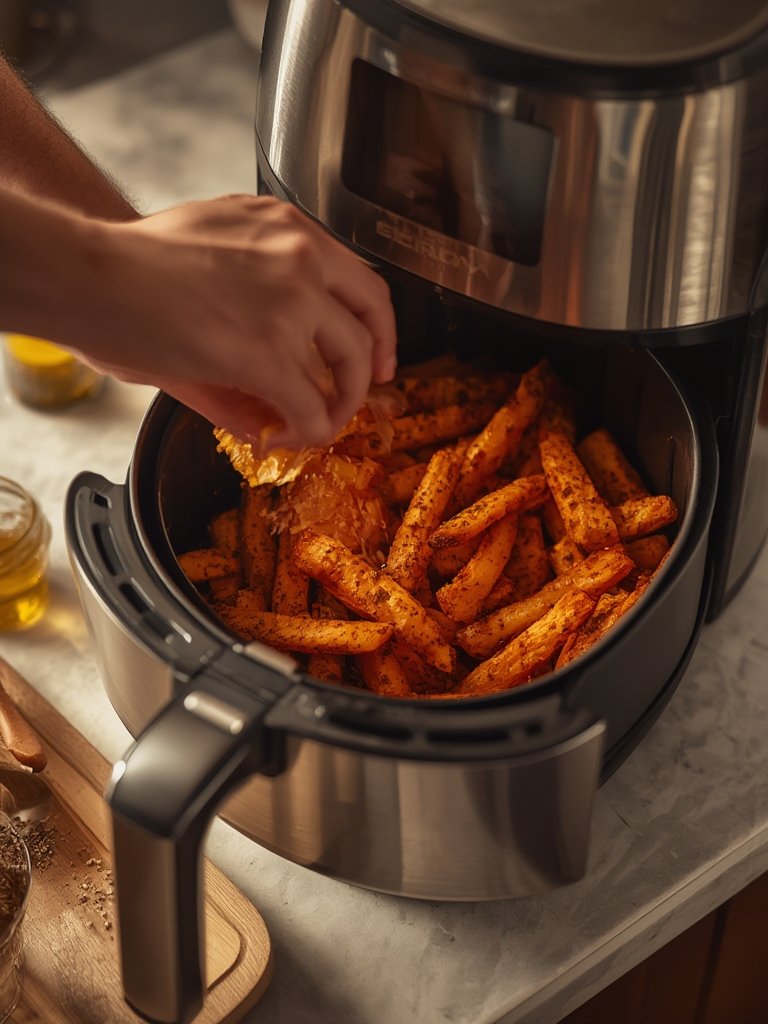
- Rotate and Rest: If using even a well-made model, avoid running the air fryer for several consecutive long cycles—especially above 400°F/200°C—to limit possible chemical leaching. Allow your air fryer to cool, and regularly inspect for early wear.
- Document Your Model: Keep receipts, product labels, and emails from the brand about materials. If you find a problem, you’ll be ready to handle any warranty or return discussions.
- Consider Warranty and Parts Availability: Some non toxic air fryer baskets are more costly and harder to replace if chipped. Factor in future expenses when deciding between ceramic, stainless, or glass-based options. If you enjoy DIY, see our guide on essential tools for homeowners to help with basic repairs.
Bonus: For other smart home swaps, see budget home improvement ideas.
Advanced Analysis: Real-World Pitfalls & Problems With “Non Toxic” Air Fryers
Switching to a non toxic air fryer isn’t a magic fix—real lab tests and expert reviews reveal limitations in all available products. Here are the biggest pitfalls and realistic limitations:
| Material / Coating | Known Risks | Durability Concerns | What Competitors Miss |
|---|---|---|---|
| PTFE / “PFOA-Free” Nonstick | Releases toxic fumes and measurable PFAS even below 500°F | Scratches easily, wears rapidly under metal utensils | PFAS may be trapped in food-contact layers even after ban (Consumer Reports) |
| Ceramic-Coated | Generally PFAS free, but some use undisclosed chemicals; variable safety certification | Chips if dropped or scrubbed; coating can degrade with wear | Dubious ceramics may chip or leach toxins if unclear provenance (Leafscore) |
| stainless steel baskets | No PFAS risk, but nonstick absent; food can stick | Dents if dropped; can discolor if abused | Rarely used for full baskets (harder to clean), parts can still contain phthalate plastics |
Few brands publish actual third-party test results about their baskets, so you’re often relying on trust. Even if marketed as non toxic, baskets may have undisclosed additives, glues, or reinforcing agents not listed in “food-contact” claims. Ceramic-coated baskets are safest when they boast specific PFAS testing and credible certifications, but those details are uncommon.
Chipped, worn, or cracked coatings are especially problematic. They not only release base metals or glass but also expose adhesives and underlayers (potentially containing phthalates or unregulated chemicals). Many higher-end “safe” fryers are expensive to repair or require full replacement for minor basket damage.
Stainless steel interiors avoid PFAS but come with tradeoffs—food may stick, and oil is sometimes needed, decreasing the “fat free” air fryer advantage. Glass options are rare and less durable, shattering if dropped. Cost differences between non toxic and regular models are minimally studied, but expect to pay at least 10–30% more for credible ceramic or steel alternatives.
User reviews rarely mention real toxicology risks, instead complaining about ceramic chipping or lack of nonstick performance—not surprising, since chemical leaching is invisible. To ensure your home is holistically safe, see our guide on seasonal lawn care for homeowners—because chemicals can enter the home through soil and dust as well.
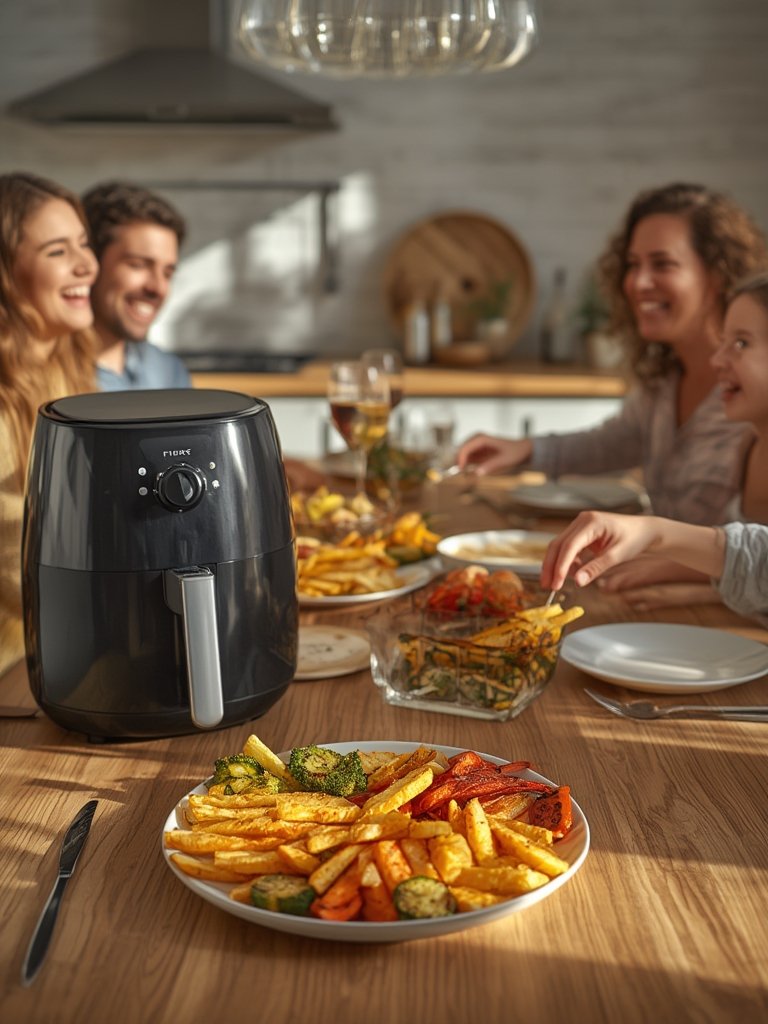
Another crucial point most top-ranking buying guides miss: even if the food basket is chemical free, cords, handles, and electronics may off-gas phthalates and other volatile chemicals under heat. No current air fryer escapes this completely—true 100% non toxic simply doesn’t exist. Get the details in the original toxicology studies via PubMed.
Want to improve all your home’s surfaces, not just the kitchen? Our deep dive on wooden furniture care shares best practices for non-toxic cleaning and preservation.
Conclusion
Navigating the non toxic air fryer market means looking past headlines and marketing claims. Lab tests show that even “PFOA free” or “nonstick” baskets leach some PFAS, while reputable ceramic or stainless-steel alternatives offer less exposure but must be handled gently to avoid chipping, hidden toxins, and expensive basket replacements. No solution is perfect—practical diligence and informed shopping matter. If non toxic air fryer safety is your priority, always demand proof, use and clean baskets with care, and keep your home healthy with informed choices. Ready to find the best option for your kitchen? Start with small steps today—and share this guide with anyone you know who cares about food safety!
Frequently Asked Questions
Are all ceramic air fryers really non toxic?
No. While independent lab tests on some brands show zero detectable PFAS, “ceramic” is loosely regulated. Dubious coatings may chip or contain other toxins if not properly certified. Always request documentation from the manufacturer.
Is stainless steel safer than ceramic or nonstick?
Stainless steel baskets avoid all PFAS-type chemicals but lack nonstick performance. They are generally safer for food contact, but food can stick and cleaning takes more effort. Some models still use plastics in handles or non-food areas.
Do PTFE or PFOA-free labels guarantee safety?
No. “PFOA-free” can simply mean the replaced chemical is a PFAS alternative (like GenX), and PTFE-based coatings may still leach PFAS. Independent lab testing is the real standard.
What should I do if my air fryer basket chips?
Discontinue use and replace the basket immediately. Chipped ceramic or nonstick surfaces expose you to new toxins and increase contamination risk.
Is there any completely non toxic air fryer?
No. All current models carry some risk—if not from food-contact surfaces, then possibly from external plastics or adhesives. Choose the best-documented option and handle all air fryers with care.
 Transform your home without draining your wallet